

Trump Tells US Shoppers to 'Give Up Pencils, They Only Need One or Two' as He Defends New Import Taxes
Trump suggested Americans consume too many cheap goods, specifically citing '37 pencils' and '37 dolls' per child as unnecessary
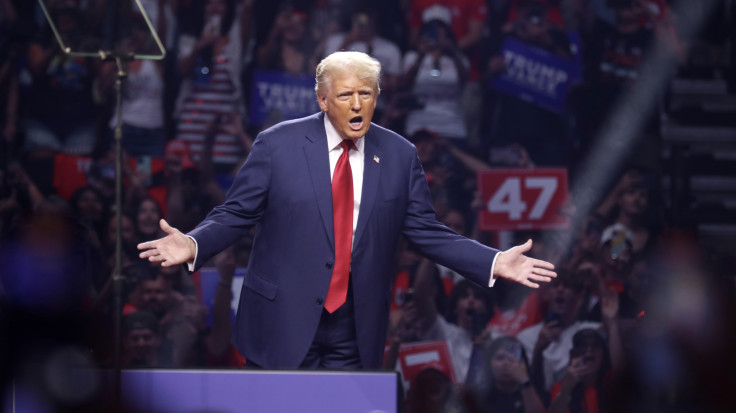
Launching a new economic tour in the critical swing state of Pennsylvania, President Donald Trump has offered American consumers a stark piece of advice regarding the rising cost of goods: simply buy less.
In a speech intended to address the 'affordability' concerns gripping the nation, Mr Trump defended his aggressive import taxes by suggesting that households have grown accustomed to an excess of cheap foreign-made products. Speaking to supporters at the Mount Airy Casino Resort on Tuesday, the President argued that the trade-off for restoring American industry was a reduction in the volume of disposable goods imported from nations like China.
'You can give up certain products. You can give up pencils,' Mr Trump told the crowd, framing the reduction in purchasing power as a correction of overconsumption. 'That's under the China policy, you know every child can get 37 pencils—they only need one or two, you know they don't need that many.'
'You Don't Need 37 Dolls'
The President's remarks come as his administration faces intensifying scrutiny over the economic impact of broad tariffs levied on major trading partners. While these import taxes are designed to protect domestic manufacturers—specifically the steel industry, which is vital to Pennsylvania's economy—they have also contributed to higher prices for everyday items on shop shelves.
Mr Trump extended his analogy beyond stationery, suggesting that American families could easily scale back on other consumer goods without suffering. 'You don't need 37 dolls for your daughter, two or three is nice, but you don't need 37 dolls,' he said. 'But you always need steel.'
The comments mark a significant pivot in the President's economic messaging. Rather than denying that prices have risen, he appears to be asking the public to accept a shift in lifestyle as the cost of his 'America First' trade agenda. The logic presented is that the previous abundance of inexpensive imports undermined the nation's industrial base, and that a return to manufacturing strength requires sacrificing cheap abundance.
The Affordability Debate
The backdrop to the Pennsylvania tour is a period of economic anxiety for many US households. Inflation has remained a stubborn challenge throughout 2025, with the cost of groceries, petrol, and housing remaining high. Critics argue that the tariffs act as a tax on consumers, directly increasing the cost of living by making imported components and finished goods more expensive.
During the speech, Mr Trump vacillated between acknowledging these high prices and dismissing the political attacks surrounding them. He labelled the Democrats' focus on 'affordability' as a 'hoax,' yet simultaneously admitted that costs needed to come down.
'I can't say 'affordability hoax,' because I agree the prices were too high,' Mr Trump conceded, in a rare moment of alignment with his political opponents. However, he insisted that his policies were successfully driving prices down from historical highs, despite data suggesting that the tariffs have kept the cost of imported goods elevated.
Steel Over Stationery
The choice of Pennsylvania for this speech was strategic. As a 'Rust Belt' state, its voters have historically been receptive to protectionist trade policies that promise to revive American manufacturing. By prioritising 'steel' over 'pencils,' the President is appealing to blue-collar workers who view industrial strength as more essential to the nation's health than cheap consumer goods.
However, the strategy carries risks. By telling voters to 'give up' items, Mr Trump provides ammunition to critics who claim his economic vision demands austerity from the working class while corporations benefit. Opposition figures have already seized on the remarks, characterizing them as out of touch with families struggling to balance their weekly budgets.
To mitigate the fallout for the agricultural sector, which often bears the brunt of retaliatory tariffs from other nations, the administration recently announced a $12 billion aid package for farmers. This subsidy is intended to offset the losses incurred as trading partners like China and Mexico reduce their purchases of American crops in response to US import taxes.
© Copyright IBTimes 2026. All rights reserved.