

US Arms Sale to Taiwan of $11B Sparks China Fury, Beijing Vows to Take 'Necessary Measures'
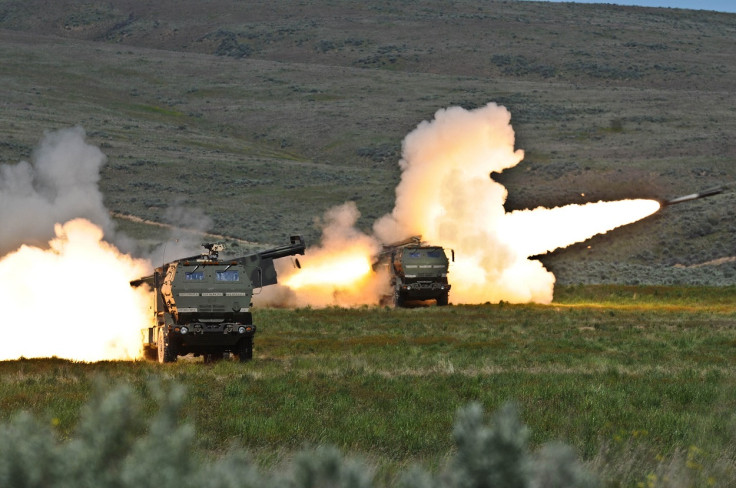
The US government has granted an arms package worth $11.15 billion to Taiwan, a move bound to fuel tensions in US-Taiwan-China relations.
Touted as the most extensive arms package given to the island by the US, the State Department announced it late Wednesday, including sophisticated missile systems, drones, artillery, and critical software to strengthen Taiwan's defence in the face of growing Chinese military pressure.
Historic Arms Deal Portends US Investment in Taiwanese Defence
The package includes a wide range of weaponry, including a High Mobility Artillery Rocket System (HIMARS) that is worth up to $4.05B, as well as self-propelled howitzers worth up to $4B.
Other aspects include tactical software, anti-armour, and other precision-guided munitions.
The Defence Ministry of Taiwan estimated that the overall transaction could reach $11.15B, but legislative and budgetary considerations will determine the final amount.
The United States declared its commitment to supplying Taiwan with weapons to help it safeguard itself, a State Department spokesperson asserted. The package will strengthen Taiwan's defences and help maintain stability in the region.
US-Taiwan-China Relations Implications
The sale highlights the heightened attempts by Washington to help Taiwan against the continued assertive moves by the Chinese military.
Although the policy of strategic ambiguity has traditionally existed in the Trump administration, the sale is an indication of a strong desire to enhance Taiwan's deterrence capabilities.
According to aid Lin Ying-yu, an associate professor at the Graduate Institute of International Affairs and Strategic Studies at Tamkang University in Taipei, 'This is a comprehensive package that includes different weapon systems and will enhance Taiwan's existing defence capabilities.'
Beijing has, however, responded strongly to the sale, accusing the United States of infringing on its sovereignty.
The Chinese Foreign Ministry did not react immediately, but it had done so before, stating that a U.S. arms sale to Taiwan would result in harsh retaliation.
Beijing considers Taiwan a breakaway province and has threatened many times to employ military force to reorganise the island to join the mainland.
A Long History of Military Support
The recent sale is one of the biggest in recent years, yet it has a long history of U.S. military assistance to Taiwan. In 2019, the Trump administration approved military sales in the US worth a record $18.65B, including an $8B 66-plane F-16 deal.
A 2024 report by the Cato Institute states that the administration's past sales have been approximately $8.7B, indicative of the consistent US investment in Taiwan's defence posture.
Technological Improvements and Modernisation
The latest package includes a number of sophisticated systems that aim to enhance operational efficiency and battlefield awareness.
The most notable, the U.S. will be selling Taiwan its Tactical Mission Network software, for the first time, in the tune of approximately $1B. This software provides real-time battlefield data, enabling Taiwanese commanders to coordinate more effectively.
According to Jack Chen, director of Formosa Defence Vision, the software 'will allow different units within Taiwan's armed forces to exchange information during operations and enhance battlefield situational awareness rapidly.'
The HIMARS system, which has already proven itself in Ukraine, can launch missiles with a range of up to 300 kilometres, putting the southeastern coast of China within range. In May, Taiwan conducted the first live-firing test of HIMARS, demonstrating its ability to project power and deter Chinese aggression.
Future Prospects and Stability in the Region
Under the Trump administration, the sale underscores that it is consistent with US national security interests, as it contributes to the modernisation of the Taiwan Army and the stability of the region.
The State Department stated in its response that such a sale will help in upholding political stability, military equilibrium, and economic development in the region.
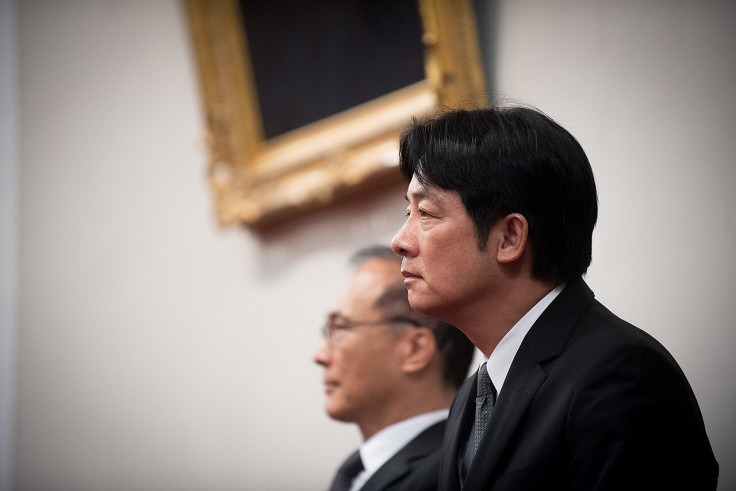
Taiwan's President, Lai Ching-te, has countered this by expediting the modernisation of the military.
Taiwan held its largest military drills to date and announced its intention to install another aerial defence system, T-Dome, earlier this year. The island has promised to invest more in defence from 2026 to 2033, amounting to $40B, but these plans were put on hold by opposition lawmakers.
Chinese Response and Increasing Tensions
Chinese officials have repeatedly admonished the US for its arms sales, calling them a form of meddling in what Beijing regards as its sovereign rights.
The latest package comes against this background of heightened military aggression by Beijing that has escalated patrols and military drills along the Taiwanese border.
China has been on the verge of increasing military pressure in recent months, with two days of live-fire drills simulating blockade and strike operations against Taiwan being held. Chinese leader Xi Jinping has repeated Beijing's rhetoric that the reunification of Taiwan with China is an unbreakable objective and part of the post-war international order.
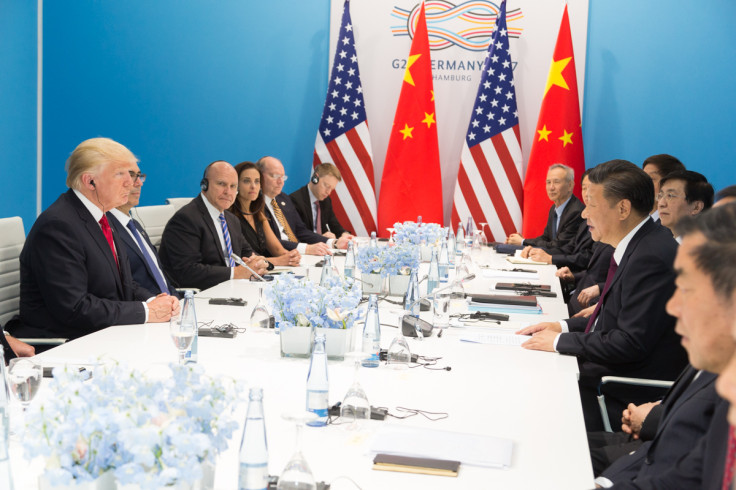
In a recent conversation with President Trump, Xi reiterated that Taiwan was a fundamental subject and that it is a matter of sovereignty and territorial integrity. US-China relations are not the most delicate, and the arms sale has only complicated them further.
The Road Ahead Looks Delicate
Although the recent US arms package is meant to strengthen Taiwan's defence, it also risks provoking a more aggressive response from China.
Analysts caution that the U.S. should not be allowed to support the region further, as this would raise military tensions in the Indo-Pacific.
According to defence analyst Michael Collins, it is a strategic step that will send a message to Beijing. But it also increases the stakes, and while the chances of escalation increase. Both groups will have to work to control such tensions.
With Taiwan facing potential future conflicts, the United States' backing underscores its determination to keep Taiwan safe, despite the Indo-Pacific's complex geopolitics.
The next few months will tell whether Beijing will respond to this massive US arms package and whether it will raise military rhetoric or pursue other diplomatic avenues to resolve the tension.
© Copyright IBTimes 2026. All rights reserved.