

BBC's Jan. 6 Edit Controversy Leads to $10B Lawsuit, Trump Warns of Media's Fight Over Free Speech
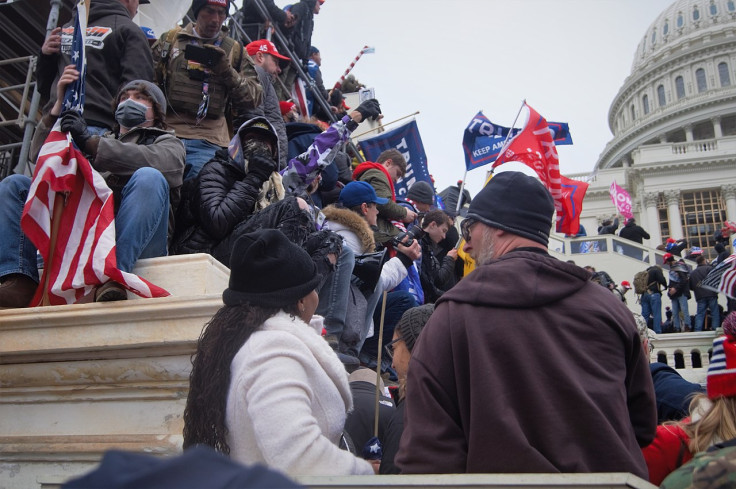
US President Donald Trump has filed a sensational $10 billion (£7.9bn) lawsuit against the BBC, accusing the British broadcaster of deliberately manipulating his 6 January 2021 speech to portray him as the 'instigator' of the US Capitol riots, in what he describes as a direct attack on free speech and democratic debate.
Trump claims the BBC Panorama Documentary, 'Trump: A Second Chance?' spliced together different parts of his 2021 rally speech, stripping away calls for peaceful protest and replacing them with incendiary soundbites designed to make him appear to incite violence.
The lawsuit, filed in Miami federal court, seeks $5bn in defamation damages and an additional $5bn under the Deceptive and Unfair Trade Practices Act within Florida, alleging that the BBC knowingly misled viewers ahead of the 2024 presidential election.
The allegation that the BBC has grossly misrepresented facts has sparked a raging debate over the integrity of the media, freedom of speech, and interference in US elections.
'They Put Words in My Mouth,' Trump Says
At the centre of the row is the 'Panorama programme Trump: A Second Chance?', broadcast earlier this year.
Trump alleges the documentary merged remarks delivered nearly an hour apart, presenting them as a single statement urging supporters to storm the Capitol.
The controversial clip included Trump saying:
'We're going to walk down to the Capitol... and we fight. We fight like hell.'
Trump insists the edit removed vital context, including his explicit instruction moments later for supporters to act peacefully.
Speaking outside his Florida estate on Monday, Trump said:
'I'm suing the BBC for putting words in my mouth. Literally. They had me saying things I never said.'
What Trump Says the BBC Cut Out
According to the lawsuit, the BBC omitted a crucial line delivered less than a minute after the first clip:
'I know that everyone here will soon be marching over to the Capitol building to peacefully and patriotically make your voices heard.'
Trump's legal team argues that by excluding this line and juxtaposing the edited speech with footage of extremists heading towards the Capitol, the documentary created a false cause-and-effect narrative.
The complaint claims the edit was not accidental but a strategic distortion intended to influence public opinion and voter behaviour.
The complaint, filed in a Miami federal court, runs to 33 pages and accuses the BBC of a brazen effort to interfere in the 2024 US presidential race.
According to Trump and his lawyers, the editing of the documentary was a strategic lie that was intended to make people vote against him before the election.
The lawsuit further asserts that the BBC aired the video featuring the 'Proud Boys' and their journey to the Capitol, indicating that the group was motivated by Trump's speech.
BBC Defiant — Despite Internal Turmoil
The BBC has said it will vigorously defend the lawsuit.
A spokesperson said: 'As we have made clear previously, we will be defending this case.'
However, the legal challenge comes amid internal upheaval at the broadcaster. Director General Tim Davie and News CEO Deborah Turness resigned last month, while BBC Chairman Samir Shah later described the edit as an 'error of judgement'.
The BBC has also argued the documentary was never broadcast in the United States, a claim Trump disputes, citing access through BritBox subscriptions and VPN services.
However, the president's team asserts that the US BritBox subscribers or Americans having VPNs might have access to it, which is sufficient to file a lawsuit.
Trump's Expanding War With the Media
The BBC lawsuit is the latest front in Trump's widening legal war against major media organisations he accuses of bias.
In recent years, Trump has:
Sued The Wall Street Journal over an alleged made-up birthday card he wrote for Epstein on his birthday.
Launched a $15B lawsuit against The New York Times over the coverage of his 2024 campaign. This year, Trump also called TNT an 'enemy of the people,' for unwanted media coverage of his health.
Additionally, Trump earned a $16M settlement from CBS News after he claimed an episode of '60 Minutes' had unfairly broadcast footage of Kamala Harris improving her public image.
Another $15M settlement Trump earned was with ABC News over his purported sexual misconduct liability.
Supporters argue Trump is pushing back against what they see as coordinated media hostility. Critics say the lawsuits risk intimidating journalists and chilling critical coverage.
A Case With Global Implications
Legal analysts say the BBC case raises complex questions about media editing standards, cross-border libel law, and whether publicly funded broadcasters can be sued in US courts over content not formally aired there.
Even if the case is dismissed, experts warn it could reshape how broadcasters edit political speech, particularly in the era of viral clips, streaming platforms and election-year scrutiny.
As Trump frames the dispute as an existential fight, one thing is clear: This lawsuit is about far more than January 6.
For Trump, it is about who controls the narrative and whether the media can be held accountable when editing history itself.
© Copyright IBTimes 2026. All rights reserved.