

Exhausted USS Lincoln Reaches Shore After Over 270-Day Middle East Deployment Plagued By Mental Breakdowns
Nuclear-powered aircraft carrier brings 5,000 sailors and Marines ashore for a five-day rest following gruelling Middle East combat operations and supply disputes
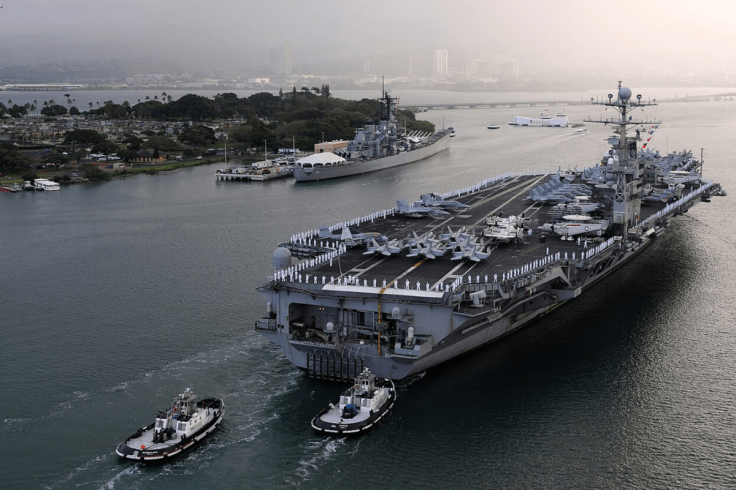
The United States Navy nuclear-powered aircraft carrier USS Abraham Lincoln has finally docked at the port of Laem Chabang in Thailand on 2 September, bringing approximately 5,000 sailors and Marines ashore for a much-needed five-day rest and recuperation period.
Ending a gruelling 286-day deployment that stretched far beyond its original schedule due to escalating naval operations in the Middle East, the historic voyage marks one of the longest continuous stretches at sea for a modern carrier strike group.
While Navy leadership celebrated the milestone as a testament to exceptional crew professionalism, the mission has faced intense public and congressional scrutiny over alleged mental health strains, maintenance backlogs, and severe living condition complaints aboard the aging vessel.
Lawmakers and families have raised urgent questions regarding the operational toll of protracted deployments following reports of plummeting morale, plumbing failures, and food supply shortages during months of continuous combat readiness.
As thousands of service members finally transition from active combat zones to the bustling resort city of Pattaya, the high-profile port call highlights the mounting human and logistical costs of sustaining high-tempo military operations across distant overseas theatres.
A Mission That Kept Getting Extended
The USS Abraham Lincoln deployment began when the carrier left San Diego on 21 November 2025, initially bound for the Pacific. It was later redirected to the Middle East as the conflict with Iran intensified.
The ship spent nearly seven months operating in the US Central Command area, taking part in combat operations and a major naval blockade. At 286 days, the deployment has been described by Democratic lawmakers as a modern-era record for consecutive days at sea.
The mission had originally been expected to end in May but was extended, keeping the USS Abraham Lincoln sailors at sea far longer than a typical six- to nine-month naval deployment.
Mental Health Reports Raise Alarm
The most troubling allegations surrounding the USS Abraham Lincoln deployment concern the psychological toll on its crew.
Navy Times and Stars and Stripes previously reported multiple incidents involving sailors allegedly attempting to jump overboard. Families and lawmakers subsequently raised concerns about mounting mental-health pressures aboard the carrier.
Rep Mike Levin cited allegations involving mouldy showers, broken toilets, laundry problems, hot-water shortages and difficulties obtaining food and hygiene supplies.
Rep Jason Crow warned that the strain was building, while then-Defence Secretary Pete Hegseth dismissed earlier accounts as 'more fake news'.
The Navy has disputed the most severe characterisations. Officials said they had not identified an increase in reported suicidal ideation or suicide attempts aboard the ship and pointed to counsellors, chaplains, and other support services available to the crew.
Families Finally See Their Sailors
For some relatives, the arrival in Thailand offered an emotional release after months of uncertainty. Shakeira Fairfax travelled from New Jersey to meet her 25-year-old daughter, Jade, a member of the Lincoln crew. Fairfax said morale had fallen at points during the deployment, communication had been limited, and she had feared for her daughter's safety.
Her reunion put a human face on a deployment otherwise measured in stark numbers: 286 days, thousands of personnel, and months spent far from home.
Conditions Under Scrutiny
Concerns about the USS Abraham Lincoln mental health crisis have been accompanied by complaints about living conditions.
Reports described shortages of fresh food and hygiene products, as well as plumbing and maintenance problems. The carrier also arrived in Thailand, showing visible rust and worn paint in parts of its exterior.
The Navy has pushed back against the worst descriptions, saying the ship had clean water, functioning air conditioning, and healthy meal options.
Rear Adm Robert E Loughran, commander of Carrier Strike Group 3, praised the crew's professionalism and said the arrival would provide a 'well-deserved' opportunity to rest and recharge.
Pattaya Awaits 5,000 Sailors
After months at sea, the crew's first substantial break comes near Pattaya, a resort city whose relationship with the US military stretches back to the Vietnam War.
Police Colonel Anek Srathongyoo said sailors would disembark in groups, while tourism academic Pipatpong Fakfare and sociologist Pattarachit Gozzoli have highlighted Pattaya's complicated history as a US military rest-and-recreation destination and sex-tourism hub.
Mayor Poramase Ngampiches said around 40 buses would transport personnel between Laem Chabang and Pattaya. Restrictions include water sports, jet skiing, bungee jumping, wrestling, and boxing.
Police have also increased patrols after 40 to 50 people were detained during weekend raids targeting suspected prostitution.
What Comes After 286 Days?
The USS Abraham Lincoln's 270-day deployment is now entering its final chapter after the carrier was relieved in the Middle East and began its journey home.
For its crew, Thailand is more than another stop on a military itinerary. It is a rare opportunity to rest after an extraordinary stretch at sea, while questions remain over the reported mental-health incidents, onboard conditions, and the cost of keeping thousands of sailors deployed for so long.
The USS Abraham Lincoln is scheduled to depart Thailand on 6 September to complete its journey home across the Pacific. Questions surrounding prolonged naval deployments and crew support structures will likely persist long after the vessel returns to its home port.
© Copyright IBTimes 2026. All rights reserved.