

France's PM Lecornu Calls for Partial Curfews and Blames 'Ultra-Left' for Violence After Mass Arrests
Prime Minister Sébastien Lecornu said restrictions start Monday as officials review violence, looting and damage
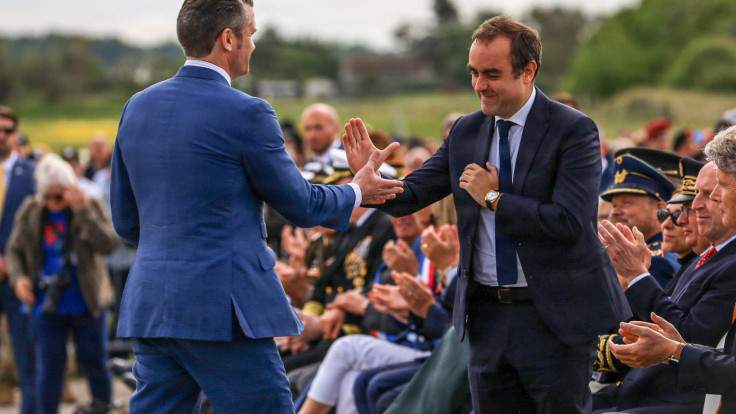
France's new prime minister Sébastien Lecornu has ordered partial curfews after nationwide unrest left at least 2,400 people arrested and nearly 1,000 police and gendarmes injured, as he blamed 'ultra-left' groups and criminals for the violence.
The restrictions were due to begin on Monday evening, 19 October, although the areas affected had not yet been announced. Lecornu's decision followed a crisis meeting in Paris after nationwide demonstrations on Saturday, 17 October, against rising living costs and conditions in schools escalated into looting, clashes and arson.
Many demonstrators marched peacefully, but violent groups attacked police, looted businesses and damaged public buildings in several cities. The government says organised far-left activists and opportunistic criminals were responsible for much of the disorder.
Lecornu Targets 'Ultra-Left' as Blame Row Grows
Lecornu said the government would not tolerate groups using protests as cover for violence. Interior Minister Laurent Nuñez also blamed far-left activists and looters for attacks on police and public institutions.
The accusations have become a focus of the political dispute over the unrest. Jean-Luc Mélenchon, leader of the hard-left La France Insoumise party, criticised the government's handling of the crisis and argued that organisational failures had helped create the conditions for chaos.
The competing claims underline the need to distinguish between peaceful protesters and those suspected of committing offences. Arrests do not establish guilt, and investigators will need evidence linking individuals to specific acts of violence.
Lecornu said no one had been killed during Saturday's violence, describing that outcome as a 'miracle'. Police separately reported that a person died after suffering cardiac arrest during demonstrations in Paris; available reporting has not established that the death was caused by violence.
Curfews, Probes and Pressure on Police
Lecornu said regional prefects would introduce narrowly targeted curfews to protect residents and businesses. The government had not initially named the affected areas, leaving local authorities to determine where restrictions were needed.
Around 200 investigators in Paris were reported to be examining footage from the weekend, including video that could help identify suspects. The authorities have also faced questions about whether they anticipated the scale of the demonstrations and deployed sufficient resources.
Nuñez acknowledged that police had lost control in some major cities. President Emmanuel Macron demanded transparency about failures in planning and intelligence, while asking the interior minister to develop new approaches to deal with looters.
The government has also signalled that it could declare a state of emergency if necessary. The immediate response, however, centres on local restrictions, investigations and support for businesses affected by the unrest.
Historic Town Hall Left in Ruins
One of the most striking incidents occurred in Limoges, where fire engulfed the city's 19th-century town hall on Saturday night. The blaze caused the roof and clock tower to collapse, leaving the historic building severely damaged.
The destruction has become a stark example of the damage inflicted on public institutions during the unrest. Shops were also looted or vandalised, while fires and attacks were reported in cities including Paris, Lyon and Marseille.
Macron Stands by Nuñez Amid Criticism
Macron addressed the country on Sunday, condemning the violence and saying the scenes of destruction were unbearable. He distinguished peaceful demonstrators from those who attacked people and property and called for those responsible to be held accountable.
Nuñez offered his resignation on Sunday amid criticism of the security response. Macron rejected it on Monday, saying the minister should remain in post to preserve the chain of command within the police and security forces.
The president also called for transparency about the failures in anticipation and intelligence that preceded the unrest. The decision to retain Nuñez leaves the government under pressure to explain how the disorder spread and what will change in its response.
Lecornu's curfew plans are intended to prevent further violence, while investigators work to identify suspects and officials assess the damage. The test for the government will be whether targeted restrictions and a clearer security strategy can restore order without treating peaceful protest as criminality.
© Copyright IBTimes 2026. All rights reserved.