

Viral TikTok Claims MAGA Gas Station Owner Lost $300,000 After Sub-$2 Fuel Prices in Support of Trump — Here's What We Can Verify
No public records or credible evidence support the viral claim of a petrol station's financial collapse due to low fuel pricing
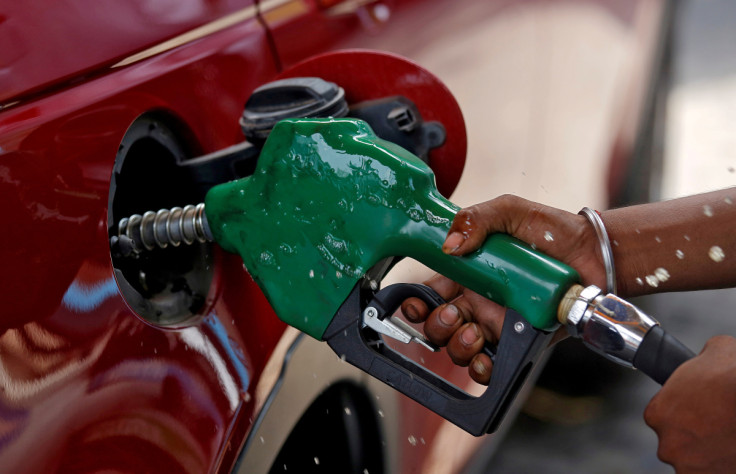
A widely viewed video circulating on TikTok alleges that a US petrol station was driven out of business and lost roughly £240,000 ($300,000) after offering fuel for under £1.70 ($2) per gallon. As of publication, there is no verified evidence that the loss occurred, no identifiable station has been confirmed, and no public court records or bankruptcy filings linking the video to an actual closure could be found.
The short video, shared on the TikTok account @bestofajack07 and reposted on Instagram, shows text and commentary claiming a petrol station slashed its prices below typical US levels with disastrous financial results. Comparable narratives have trended previously on social platforms, where content about fuel prices and financial struggles resonates with users citing the economic impact of inflation on everyday costs.
No Public Records Link the Claim to a Real Business
At the time of publication, thorough searches of public bankruptcy court dockets in the United States show no filings tied to a petrol station asserting losses from low fuel pricing. Petitions for bankruptcy protection under Chapter 7 or Chapter 11, which would be the legal mechanism for business closure after insolvency, are public records published by federal courts, and no such filing could be matched to the viral claim. Federal court databases were queried for business names, fuel pricing, and bankruptcy events, but returned no results supporting the narrative.
Bankruptcy filings in the US are managed through federal district courts and are routinely accessible through PACER (Public Access to Court Electronic Records), yet independent searches likewise returned no results.
Social Media Context and Verification Gaps
The TikTok and Instagram posts present no named location, petrol station brand, business address, financial documentation, or corroborating testimony from owners or employees. The video lacks detail that might allow verification of date, corporate filings, or geographic location. Independent fact-checking protocols require provenance, such as identifiable names, official documents, or verifiable third-party reporting, none of which are present in the posts examined.
Content like this is not unique. Users frequently post videos about petrol pricing and related frustrations online, but such clips often lack the context needed for factual verification. One example saw a TikTok user documenting extremely low fuel spending during a fill-up, which sparked commentary about price perception without asserting broader business impact.
Fuel Pricing and Business Viability
Understanding the economics of fuel sales underscores why claims of sudden, massive losses from low pump pricing require scrutiny. Petrol stations operate on very slim margins, and retail fuel prices in much of the US fluctuate daily based on crude oil prices, distribution costs, state taxes, and local competition. Losses of the magnitude claimed, hundreds of thousands of pounds in a short period, would likely draw regulatory and media attention, yet no such coverage could be found.
Economic downturns and fuel price spikes have affected drivers financially, and that has been reflected in user-generated content about purchasing behaviour at the pump. Another viral TikTok showed a driver commenting on how much drivers were paying, but it was not tied to any specific station's finances.
Attempts to Trace Original Source
Efforts were made to identify the original creator behind the viral claim and to locate primary interviews, videos on other platforms such as YouTube, or statements from anyone present in the footage. The TikTok and Instagram posts remain the only publicly available sources. Standard social media verification practice involves reverse image and video searches, checking regional fuel price boards, and seeking official documents from local business registries; these produced no substantive evidence confirming the viral narrative.
Economic Realities and Scepticism
There is a history of viral social media posts exaggerating or misrepresenting economic hardships in retail sectors. Videos showing financial claims about businesses often circulate without independent confirmation and should not be treated as fact without corroborating evidence.
In the absence of official bankruptcy filings, confirmed business statements, or third-party documentation, this story must be characterised as an unverified social media claim. Should credible evidence emerge, this article will be updated to reflect the factual record.
Journalists and researchers adhered to verification best practice, reviewing the original TikTok and Instagram posts, examining federal court bankruptcy databases, consulting public business records, and assessing the available social media footprint related to the claim.
Should credible evidence emerge, such as identifiable business filings connecting the alleged losses to legal documents, this article will be updated to reflect the factual record.
© Copyright IBTimes 2026. All rights reserved.