

Charlie Kirk Post Row: Arbitrator Denies 'Gross Misconduct', Orders Washington Post To Rehire Karen Attiah
Arbitrator rules in favour of Karen Attiah, highlighting the importance of union protections in media
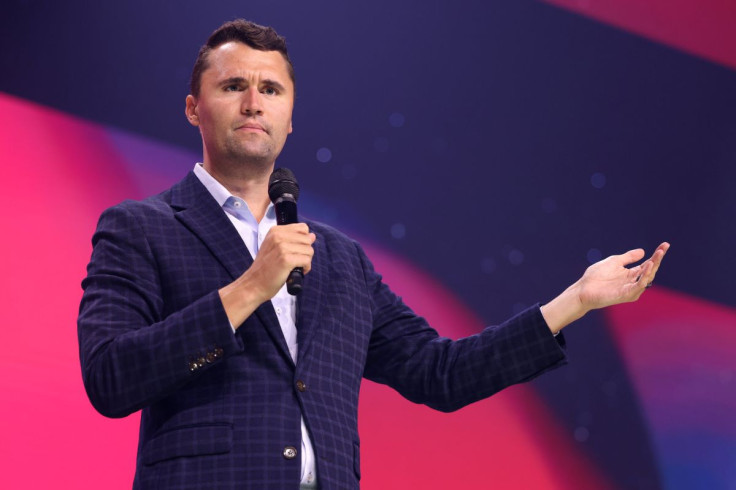
An independent arbitrator has ruled that former Washington Post columnist Karen Attiah was wrongfully dismissed last year over social media posts linked to the death of Charlie Kirk, ordering the news organisation to reinstate her with full back pay and lost benefits.
For context, Attiah was sacked last September following online commentary she shared concerning race and gun control in the immediate aftermath of the killing of the late conservative activist Kirk.
She stated her sudden dismissal arrived without any prior conversation or formal disciplinary process. This prompted her to publish a termination letter on Substack from Wayne Connell, the head of human resources at the newspaper.
In that correspondence, Connell alleged that her online statements actively harmed the integrity of the organisation and potentially endangered the physical safety of staff members.
Attiah said she categorically rejected that allegation from the outset. It was wild how quickly newsrooms rushed to purge staff during that period, treating the aftermath of the killing as a harsh referendum on permissible commentary.
Union Collective Bargaining Secures Full Back Pay
The ruling represents a crucial victory for worker protections across the wider news industry at a time when editorial management teams face intense political pressure regarding free speech and public discourse.
The Washington Post News Guild championed her case and released a statement asserting that the judgment firmly 'vindicates' their protracted labour fight against arbitrary management decisions.
According to statements released by the union, the collective bargaining agreement negotiated between the guild and the newspaper requires that any employee termination must strictly follow progressive discipline or rise to the level of 'gross misconduct'. The guild noted that the arbitrator concluded that the disputed social media posts did not disparage anyone.
Crucially, the judgment rejected the newspaper's decision to hold Attiah personally accountable for hostile threats made against her by bad actors online. The Guild statement noted the arbitrator called that reasoning a 'wholly rejected justification for the termination'.
When asked about the outcome of the dispute, a spokesperson for the publication stated only that 'we respect the arbitration process and decline to comment further'.
Newsroom Tensions Follow Kamala Harris Endorsement Row
Attiah was merely one of several journalists and media figures ousted across the industry for remarks made following the fatal incident. (Whether panicking executives ever pause to consider basic due process during an online backlash remains an open question.)
This specific workplace battle unfolded whilst the American publication was already grappling with broader operational challenges and mounting internal tensions.
The paper had been navigating intense reader blowback following a controversial decision by owner Jeff Bezos the year prior to kill a planned editorial endorsement for then-presidential nominee Kamala Harris.
That executive interference alienated subscribers and coincided with a demoralising string of high-profile exits by top journalists who had grown weary of internal strife and corporate stuff.
By requiring the publisher to reinstate the columnist with full compensation for all lost earnings and benefits, the arbitrator's binding decision sets a formidable boundary against reactive dismissals. It demonstrates that enforceable union agreements remain an essential line of defence when media companies attempt to sacrifice their own writers to quiet outside political storms.
© Copyright IBTimes 2026. All rights reserved.