Zipcar UK Closing: How Soaring Costs and New Congestion Charges Could Destroy Car-Sharing
The shutdown affects more than 650,000 members across the UK.
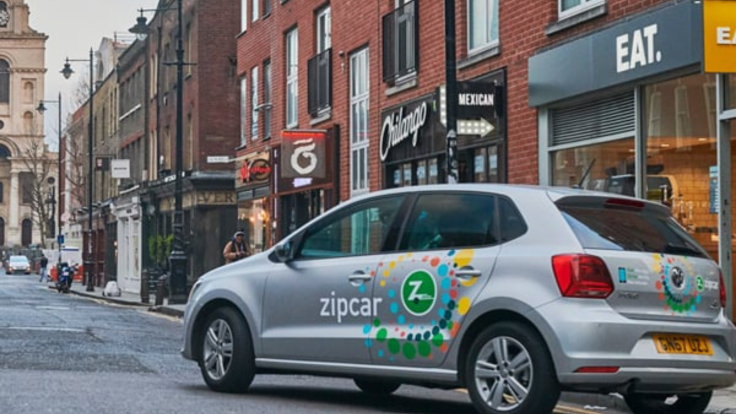
Zipcar, the world's biggest car-sharing company, has announced it will close its UK operations by the end of 2025, marking a significant setback for the country's shared-mobility sector.
The decision comes amid rising operational costs and incoming congestion charge changes that analysts warn could make car-sharing increasingly difficult to sustain in major cities.
The shutdown affects more than 650,000 members across the UK, many of whom rely on Zipcar for everyday travel. The company confirmed the wind-down in an official statement outlining its exit plans.
Bookings Halted as Zipcar Begins UK Wind-Down
Zipcar will stop accepting new bookings after 31 December 2025, although existing reservations will still be honoured during the transition period. Zipcar has also begun a formal consultation with its UK staff as part of the closure plan, as reported by The Guardian.
The UK arm currently operates around 3,000 vehicles, with nearly half stationed in London. The disruption is expected to be felt most sharply in the capital, where Zipcar has long served as an alternative to private car ownership and traditional rentals.
For many households and small businesses, car-sharing has been central to reducing transport costs and navigating limited urban parking.
Mounting Financial Losses Blamed for the Exit
Industry reports indicate that Zipcar's UK division faced widening financial pressures leading up to the shutdown.
Higher electricity prices have significantly increased costs for operating electric vehicles, which make up a growing share of the company's fleet. Insurance premiums have also risen, adding further strain to the business model.
In addition, fluctuations in residual vehicle values have made fleet replacement more expensive, contributing to the company's overall loss.
Analysts note that these combined costs have tightened margins across the sector, leaving car-sharing services vulnerable during periods of economic volatility and reduced consumer spending.
Congestion Charge Changes Add to Industry Concerns
Incoming changes to London's congestion charge rules have intensified concerns about the long-term viability of shared mobility.
For the first time, electric vehicles will be required to pay a daily charge to enter the Congestion Charge Zone, ending a long-standing exemption. The fee is set to rise from £15 ($19.82) to £18 ($23.79) per day from early 2026.
Transport groups warn that the new charges could add substantial operating costs to car-club companies, especially those with vehicles based in central London.
Although Zipcar will already have exited the market by the time the changes take effect, industry advocates argue that the upcoming rules contribute to an environment of uncertainty that makes business planning difficult for car-sharing operators.
Impact on Londoners and the Future of Car-Sharing
Zipcar's withdrawal is expected to leave a significant gap in the UK's car-sharing market. Londoners, students and small firms who have relied on the service for short journeys and flexible mobility may now need to seek alternatives.
Huge news that Zipcar might leave the UK. I've relied on their vans for years while buying plywood, collecting bits off FB Marketplace and especially when we didn't have a car. Car clubs are a crucial tool in reducing carbon emissions and cutting unnecessary car ownership. pic.twitter.com/SdNn5tJQAp
— Harry Kind (@HarryKind) December 1, 2025
Some transport experts caution that the loss of a major car-sharing provider could push more people back towards private vehicles, potentially increasing congestion and undermining local sustainability goals.
Other operators may attempt to expand into the space left by Zipcar, though many face the same economic and regulatory pressures.
Without adjustments to cost structures or policy frameworks, analysts believe the wider car-sharing sector may continue to face challenges in maintaining affordable and accessible services.
© Copyright IBTimes 2026. All rights reserved.
- MOST POPULAR IN National