

3D-Printed Salmon Is Hitting US Supermarkets but Shoppers May Not See '3D-Printed' Anywhere on the Label
Steakholder Foods' Perfecta range is being rolled out in the north-eastern United States, although the company has not named major retailers stocking the products
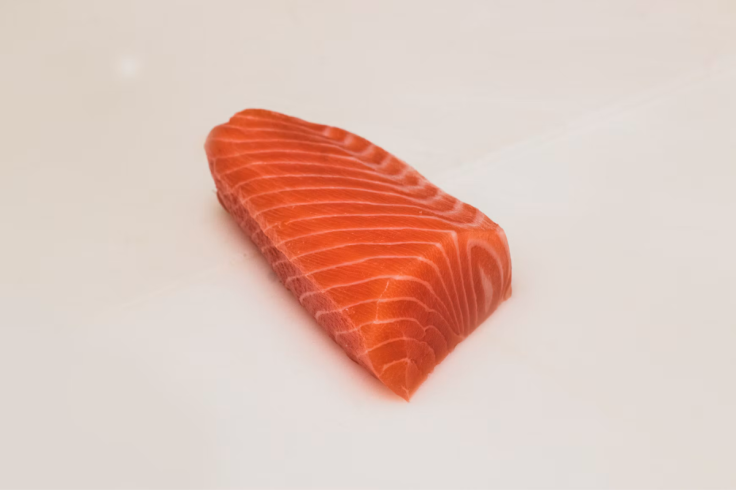
Plant-based salmon patties made on industrial 3D printers have reached American grocery shelves, but the packaging does not tell shoppers how they were made.
Israeli food-tech company Steakholder Foods has launched its Perfecta range, which includes salmon and white fish patties alongside steak and chicken, in the northeastern United States.
Allrecipes, which reviewed the launch, found that the packaging does not state the products are 3D-printed. The products contain no fish or animal meat.
Five Products, One Printer Line
Steakholder announced the US launch on 3 September 2026, describing it as the brand's 'first commercial placement on US store shelves'.
The Perfecta range covers five items sold as 'Premium Plant-Based Meat': chicken breast, filet mignon, marbled steak, salmon patties and white fish patties, Allrecipes reported.
KeHE Distributors distributes the products, with a phased rollout to other regions planned, Green Queen reported.
According to Green Queen, each 50g salmon patty contains 4g of protein, 2g of fibre and 2.5g of saturated fat. All Perfecta products contain methylcellulose, a gelling and binding agent widely used in meat alternatives.
The salmon patty contains about 8g of protein per 100g, well below the roughly 20g found in raw Atlantic salmon, according to US Department of Agriculture nutrition data.
HypeFresh reported that the products are made mainly from soy, rice, and wheat protein blends, with oils, starches, flavourings, and beetroot powder for colour.
🇺🇸🇮🇱 Remember the story about 3D-PRINTED MEAT coming to American grocery stores?
— Mario Nawfal (@MarioNawfal) October 13, 2026
So apparently, it's ISRAELI FOOD COMPANY Steakholder Foods that's behind the technology...
Look, I'm not saying they're poisoning us, but WHY are we letting people PRINT SALMON before we've even… https://t.co/TTZt31baUY
The plant-based seafood is made on a printer that uses what the company calls a 'Drop Location in Space' method, placing ingredients in layers to mimic the flaky texture of fish. Green Queen reported a capacity of 100kg an hour for the machine.
The meat printer uses a separate process, Fused Paste Layering, to combine two materials that imitate muscle and fat, with a reported capacity of up to 420kg an hour. These are equipment figures, not verified Perfecta production volumes.
'The Northeast is just the beginning of our commercial journey,' said Arik Kaufman, Steakholder's co-founder and chief executive, in a statement. He also described the launch as 'an exciting step forward as Perfecta begins reaching consumers through retail shelves for the first time'.
Nothing on the Pack
3D printing is central to Steakholder's pitch, but it doesn't appear on the products themselves. Allrecipes reported that the packaging does not say the items are 3D-printed.
A report by HypeFresh said the packaging does not necessarily state that the products are plant-based either, and that social media posts about the launch did not mention it. That observation was not independently confirmed across all packaging.
US food labelling rules generally require a statement of identity, an ingredient list and allergen information, but they impose no universal requirement to name every manufacturing technique on a package.
Labels must still not be misleading, and the absence of a 3D-printing disclosure does not by itself amount to a labelling violation. The Perfecta products contain soy and gluten.
Allrecipes also flagged a discrepancy in Steakholder's own description. The company's wider website says its meat 'is produced using advanced 3D printing technology' and uses 'a blend of plant-based and cultivated ingredients'.
Its Perfecta launch materials describe the range as plant-based, and the company has said it is exploring cultivated cells for future products.
Hard To Find on the Shelf
Steakholder has not named the retailers stocking Perfecta. Allrecipes could not identify any stores selling the products. It found the filet mignon and marbled steak listed online on Instacart at $9.99 (about £7.45) and $9.39 (about £7), respectively, but no nearby stores showed them in stock.
HypeFresh reported that the range mostly appears in independent and natural grocery stores in the Northeast, not large national chains, and that the products aren't placed in fresh seafood sections.
Based near Tel Aviv and listed on Nasdaq, Steakholder was founded in 2019 and makes 3D printers and premix blends for food manufacturers.
In a financing announced at the end of July, the company said it would raise about $3.5 million (about £2.6 million) upfront, with up to about $7 million (about £5.2 million) more if warrants are exercised.
Europe Got There First
Steakholder is not the first company to bring printed fish analogues to shoppers. Vienna-based Revo Foods launched a 3D-printed vegan salmon fillet, made from mycoprotein, in REWE supermarkets in Austria in September 2023, SeafoodSource reported.
Revo's labelling also drew scrutiny. Vienna City Council took the company to court, arguing that the name 'Revo Salmon, 100% Plant-Based with Pea Protein' could lead shoppers to think it contained real salmon.
An Austrian administrative court dismissed the misleading-labelling claim, Vegan Food & Living reported. Chief executive Robin Simsa said 'any accusation of deception is unjustified'.
Texture remains a major hurdle for the wider category. A survey cited by Green Queen found that only about 30 per cent of US consumers like the taste and texture of the average meat-free product. The survey covered meat alternatives in general, not 3D-printed fish.
For shoppers who want to know what they are buying, the ingredient list remains the most reliable guide. It will show soy and wheat proteins where a fish fillet would list only salmon.
Taste claims for Perfecta come from the company, and HypeFresh reported that side-by-side testing against real salmon has not been extensive.
© Copyright IBTimes 2026. All rights reserved.