Walgreens Store Closures 2026: List of Pharmacy Locations Shutting Down Across the US
Walgreens reduces planned store closures under new ownership, focusing on optimising underperforming locations
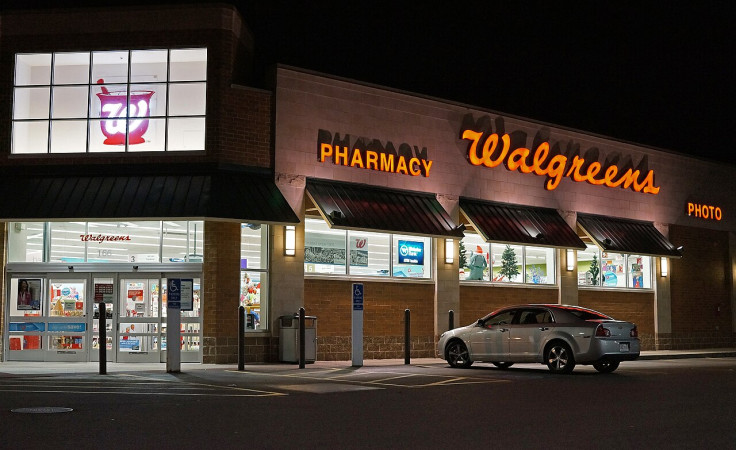
Walgreens is closing stores in 2026. Just not nearly as many as it once planned. The pharmacy chain, which operates thousands of locations across the United States, now expects to shutter fewer than 100 stores this year.
The scaling back of the 2026 closure count is attributed, at least in part, to the change in ownership. Under Sycamore's stewardship, the company has shifted toward a tighter store optimisation strategy, targeting underperforming locations rather than executing a broad network reduction.
List of Walgreen Stores Closing Down
That strategy has produced a confirmed closure list spanning at least a dozen states. Based on a list compiled by Inc., the following Walgreens locations have closed in 2026:
- California: 1301 Market Street, San Francisco, CA 94103
- Florida: 12041 Palm Beach Boulevard, Fort Myers, FL 33905
- Illinois: 2351 E 71st Street, Chicago, IL 60649
- Illinois: 8628 S Cottage Grove Avenue, Chicago, IL 60619
- Illinois: 5503 E State Street, Rockford, IL 61108
- Illinois: 108 Wilmot Road, Deerfield, IL 60015
- Missouri: 11404 St Charles Rock Road, Bridgeton, MO 63044
- Missouri: 2202 Chambers Road, St. Louis, MO 63136
- New York: 120 Court Street, Brooklyn, NY 11201
- South Carolina: 1294 Ribaut Road, Beaufort, SC 29902
- Texas: 1805 Greens Road, Houston, TX 77032
- Virginia: 1301 S Joyce Street, Suite D3, Arlington, VA 22202
- Washington: 2400 S Jackson Street, Seattle, WA 98144
- Washington, D.C.: 1815 Connecticut Avenue NW, Washington, DC 20009
- Wisconsin: 2727 W North Avenue, Milwaukee, WI 53208
The closures span major urban centers, mid-size cities, and suburban corridors, touching communities from San Francisco's Market Street corridor to Milwaukee's North Avenue neighborhood.
Layoffs and a Houston Distribution Center Closure
Retail locations are not the only part of the business contracting. Walgreens has also laid off hundreds of employees as part of its post-acquisition restructuring. The company additionally shut its Houston distribution center on June 1, 2026. Together, the store closures, workforce reductions, and logistics consolidation sketch a picture of an organisation pulling in from multiple directions simultaneously.
But Walgreens has maintained an optimistic tone. 'We're focused on becoming America's best retail pharmacy, beginning with improving the in-store experience for our customers and patients,' the company said in a statement in February.
A Pharmacy Sector in Structural Decline
Walgreens is not contracting in isolation. The broader U.S. pharmacy retail sector has been shrinking for several years, driven by changing consumer habits, rising operating costs, and persistent reimbursement pressure on prescription drug margins.
CVS Health, the largest pharmacy chain in the country, has closed more than 1,100 CVS Pharmacy locations nationwide since 2022 as part of a long-term network strategy to align store footprints with population patterns and patient behaviour. CVS has also closed multiple locations in Baltimore this year, a city where access to neighbourhood-level pharmacy services is already strained.
Rite Aid, once the third-largest pharmacy chain in the United States, completed a full shutdown of its remaining 89 stores after filing for bankruptcy twice in two years. The company expressed hope for a buyer as it wound down operations, with a spokesperson saying the company was 'encouraged by meaningful interest from a number of potential national and regional strategic acquirors.' No acquisition of the full chain was announced.
The cumulative effect of these closures, across Walgreens, CVS, and Rite Aid, is a meaningful reduction in the density of pharmacy access across American communities, particularly in lower-income urban neighbourhoods and rural areas where retail pharmacies often serve as a primary point of healthcare contact.
© Copyright IBTimes 2026. All rights reserved.
- Recommended For You