Tillamook Faces Boycott Calls Over Halal Labelling as Critics Brand Its Products 'Al Qaeda Cheese'
The Oregon dairy cooperative says most of its cheeses use vegetarian rennet certified as halal and kosher, while one aged cheddar is an exception
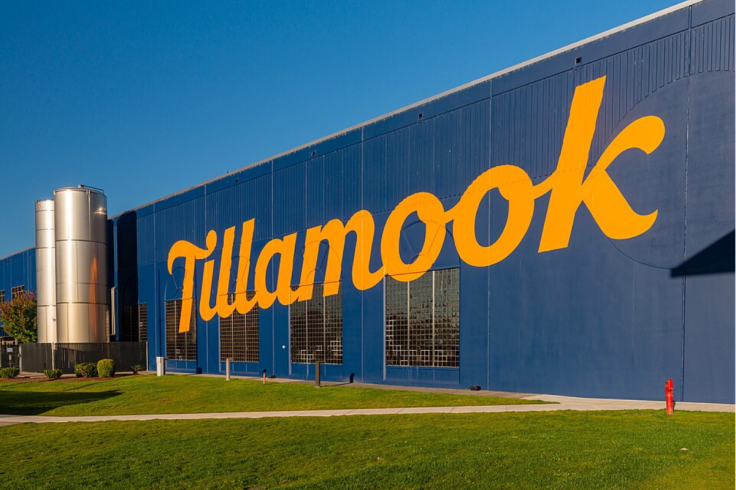
An Oregon dairy cooperative has become the target of a boycott campaign after a halal certification label appeared on its packaging.
Tillamook, one of the best-known cheese brands in the United States, drew a wave of hostile posts from conservative accounts after the label was noticed on its products this week. Critics have called for a boycott and, in one viral tirade reported by Al Jazeera, accused the company of making 'Al Qaeda cheese'.
The certification reflects an ingredient change Tillamook says it made in 2016, and the appearance of a logo does not by itself indicate that anything has been added to a product.
What the Label Means
For cheese, halal status can depend partly on the type of rennet used. Rennet is an enzyme that coagulates milk during cheesemaking, and animal-derived rennet can affect whether a cheese meets halal requirements depending on its source and how it was obtained.
Certification can also take in other ingredients, processing methods and safeguards against cross-contamination.
🚨 Tillamook cheese: now Certified Halal !!
— Brigitte Gabriel (@ACTBrigitte) September 17, 2026
One of America’s favorite cheeses just put “Certified Halal” on the package.
Not because Americans demanded it. Because corporations keep groveling to Islam.
Now non-Muslims are forced to eat food made to Muslim standards. Time to… pic.twitter.com/fCuUFhTUBC
Tillamook addressed the question years ago for reasons unconnected to religion. The company says it has used fermentation-produced rennet since 2016, that the ingredient is vegetarian and carries both kosher and halal certification, and that most of its cheeses are halal-certified.
Tillamook says its Maker's Reserve 10-Year Extra Sharp Cheddar is an exception to its vegetarian cheese range because it is made with animal rennet.
That distinction matters for the claim at the centre of the backlash. Critics have argued that non-Muslim shoppers are being made to eat food produced to religious standards, but halal certification does not necessarily mean that ingredients have been added or that a product's recipe has otherwise been changed.
In Tillamook's case, the company says the relevant rennet change was made in 2016, years before the current packaging attracted attention.
The Campaign Against the Packaging
The reaction began on social media. Al Jazeera reported on 18 September that critics had launched a boycott campaign over Tillamook's halal labelling and that some had accused the company of producing 'Al Qaeda cheese' in a viral tirade.
Organised accounts pushed the message further. A post attributed to ACT for America and circulated on 17 September said one of America's best-known cheese brands had added 'Certified Halal' to its packaging because corporations were 'groveling to Islam' and claimed that non-Muslims were being forced to eat food made to Muslim standards.
I’ll be honest, this one stings. Tillamook is my go to cheese. It’s usually 2 for 1 at Publix. You can keep your Al-Qaeda cheese Tillamook. What’s a good brand of cheese? Publix has their own brand. I’ll have to research that I guess. pic.twitter.com/qPNbUcCAqV
— Facts matter (@1800factsmatter) September 17, 2026
Another widely shared post made a similar argument at greater length, describing the label as shocking and claiming it appeared on shredded cheese, block cheese, ice cream and yoghurt. Replies announced boycotts and complained that the company had failed to look after its American customer base.
Tillamook does not appear to have issued a public response specifically addressing the boycott campaign. Its website does address the underlying question, confirming its use of fermentation-produced rennet and stating that most of its cheeses are halal-certified.
Not the First Campaign Against the Brand
Tillamook has faced an organised boycott before, from an entirely different direction. In September 2019, the Center for Food Safety launched a petition urging a boycott of Tillamook products, alleging that the company's advertising was misleading because it sourced much of its milk from Threemile Canyon Farms in eastern Oregon.
Those were the organisation's claims, and the campaign concerned farming practices rather than religion.
Anti-halal boycott campaigns have their own history. Similar movements have been documented in Australia and elsewhere, including campaigns triggered by the appearance of certification marks rather than a change to a product.
The commercial consequences can be real. In November 2014, the South Australian producer Fleurieu Milk and Yoghurt dropped its halal certification after a social media backlash and abandoned a yoghurt supply deal with Emirates worth about A$50,000 (£26,650) a year. The company later reinstated its certification and regained the Emirates contract.
Certification is a commercial service that allows consumers seeking halal products to identify them without researching individual ingredients and production processes. Tillamook's own explanation says its fermentation-produced rennet has both kosher and halal certification and is vegetarian.
The halal label on Tillamook products reflects certification associated with ingredients and production standards that the company says have applied to its cheese for years, rather than evidence that the current backlash prompted a new recipe change.
© Copyright IBTimes 2026. All rights reserved.
- Recommended For You