

Banana Growers Face a Profit Squeeze as Iran War Drives Up Fuel and Fertilizer Costs
Higher fuel, fertiliser and shipping costs are putting pressure on growers and exporters
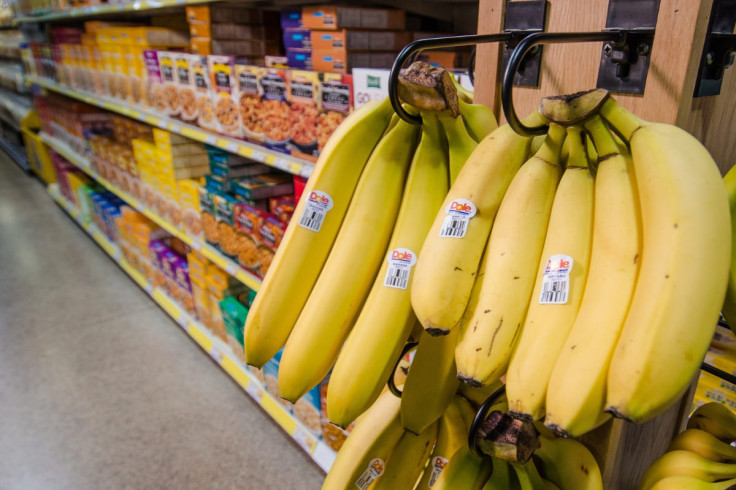
The Iran War has had a jarring effect on global markets, increasing the prices of crude oil, fertilizer, and shipping, but it also seems to have had an unintended effect on America's most consumed fruit.
Banana companies typically operate on thin margins and long supply chains, leaving little room to absorb any rising costs. The sharp spikes in operational spending have created an unprecedented profit squeeze for banana producers who rely heavily on efficient supply chains.
The complex process of moving produce from Latin American plantations to Western grocery stores is also becoming increasingly difficult to sustain under current macroeconomic pressures. These rising production costs could eventually lead to widespread retail price increases when existing agreements expire at the end of the year.
Skyrocketing Input Costs and Supply Chain Disruption
The main driver of the current crisis is the sharp escalation in fuel and energy prices resulting from maritime and regional volatility. Danny Dumas, the president of Del Monte North America, called the compounding supply chain bottlenecks a crisis.
Given bananas are perishable, they require uninterrupted transport on specialized refrigerated tankers, but the diesel fuel required to power these fleets has surged in price by 70% since the start of the war.
The war has also driven up bunker fuel for ocean freight, thereby compounding costs at every stage from Latin American ports to the US distribution centers. These logistical strains are further aggravated by localized truck driver shortages, shifting tariff structures, and unpredictable shipping lanes worsened by recent El Niño weather patterns.
Fertilizer Prices Add to Growers' Financial Problems
Banana farmers are also dealing with higher than usual fertilizer costs as disruptions to supplies from the Middle East affect western agricultural markets. Natural gas happens to be a key ingredient in nitrogen fertilizer production, so global energy markets is directly linked to the cost of growing bananas.
The International Food Policy Research Institute documented the way disruptions at the Strait of Hormuz affect the availability of fertilizer and increased agricultural production expenses. These effects have exposed farmers from various markets to higher costs of input.
For the banana producers, the timing is especially difficult because retailers are incentivized to keep bananas cheap because it attracts customers.
Contract Expiries Loom as the Growers Absorb Losses
For the meantime, the retail on bananas may remain locked in by long-term contracts, meaning the growers and shippers will bear the cost even as surges continue. But the contracts are set to expire in December, so it remains unclear how the producers will react and how many grocers will accept price hikes.
Some proactive farmers are already switching to alternative less sensitive crops. Del Monte even closed four farms in Costa Rica.
Tom Stenzel, the president of the Banana Association of North America, said the Iran War was the kind of straw that broke the camel's back, considering the existing pressures from climate volatility and tariffs.
With Americans eating an estimated 80 bananas per person annually, the squeeze on growers may soon hit the checkout counter.
© Copyright IBTimes 2026. All rights reserved.