Jan. 6 Pipe Bomber Could Have Been Caught in 2022: Sources Reveal Evidence Sat Unexamined for Years
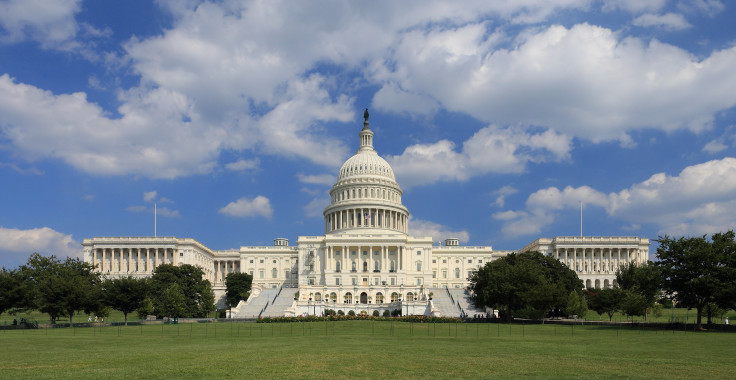
A Virginia man accused of planting pipe bombs outside political party headquarters on the eve of the 6 January Capitol riot could have been arrested years earlier after key evidence remained unexamined by the FBI since 2021 and 2022.
Brian Cole Jr., 30, of Woodbridge, Virginia, was arrested on Thursday and charged with transporting an explosive device and attempted malicious destruction involving explosives over the two pipe bombs placed outside the Republican and Democratic National Committee headquarters on 5 January 2021.
The explosive devices were planted hours before a mob stormed the US Capitol the following day but never detonated.
Attorney General Pam Bondi said Cole faces charges including 'use of an explosive device.' A criminal complaint unsealed after the arrest details allegations of transporting explosives in interstate commerce with intent to kill, injure or intimidate, as well as attempted destruction of property by fire and explosives.
The arrest marks a major breakthrough in a nearly five-year investigation into one of the most disturbing unsolved crimes connected to the Capitol riot.
Evidence Sat Unexamined for Years
According to a CNBC report, the evidence that led to Cole's arrest did not come from new leads, witnesses or tips. Instead, investigators re-examined existing material that had largely been gathered in 2021 and 2022, but had not previously led to an arrest.
Two sources told MS NOW that those same records had been sitting dormant at the FBI for years, meaning Cole could have been identified and charged much sooner. FBI Director Kash Patel acknowledged that the bureau did not uncover new evidence but instead 'reexamined every piece of evidence and sifted through all the data,' characterising the renewed investigative push as something that previous leadership had not carried out.
How Investigators Identified Cole
According to court documents cited by CNBC, the FBI matched purchase records from 2019 and 2020 to bomb components, including galvanised pipes, black and silver end caps used to seal the devices, white kitchen timers, nine-volt battery connectors and electrical wire.
These purchases were traced after agents subpoenaed Cole's bank records and credit card transactions.
Phone records later showed Cole's mobile handset was detected near both the DNC and RNC buildings on 5 January 2021, the evening the bombs were placed. Surveillance technology also captured his 2017 Nissan Sentra driving past a licence-plate reader less than half a mile from where the suspect was first seen on foot.
Surveillance Footage
The FBI has released surveillance images showing an individual wearing a face mask, black gloves and a grey hoodie approaching the DNC building at approximately 7:54 pm, placing the first device before appearing to deposit a second bomb at the RNC offices 22 minutes later, according to CNBC.
The devices were discovered around 1:00 pm the following day, prompting evacuations near Capitol Hill as lawmakers prepared to certify the 2020 presidential election results.
The Suspect's Statements
Court records show Cole was interviewed by law enforcement for more than four hours following his arrest. According to authorities, he expressed views supportive of former president Donald Trump and repeated conspiracy theories surrounding the 2020 election.
US Attorney Jeanine Pirro later described the case as 'like finding a needle in a haystack', noting investigators reviewed 233,000 purchases of black end caps alone in their effort to trace the bomb components.
Pirro added that although Cole held political grievances tied to the election, the bombs targeted both Republican and Democratic offices, describing him as 'an equal opportunity bomber'.
Vast Multi-Agency Manhunt
The hunt involved the FBI, the Bureau of Alcohol, Tobacco, Firearms and Explosives (ATF), the DC Metropolitan Police Department and the US Capitol Police.
By January, authorities had visited more than 1,200 residences, interviewed over 1,000 individuals, reviewed close to 40,000 video files, and assessed more than 600 public tips, according to official FBI figures reported by CNBC.
The FBI had previously offered a $500,000 (£375,000) reward for information leading to the bomber's arrest.
Conspiracy Theories Swirled
The prolonged investigation spawned conspiracy theories. Last month, a conservative website wrongly identified a former US Capitol Police officer as the bomber based on alleged 'gait analysis'. The officer disproved the claim by providing video evidence showing her at home with her dogs during the attack timeframe.
Former media commentator Dan Bongino, before joining the FBI as deputy director, had publicly suggested the bombing was an 'inside job'.
Investigation Continues
Bondi stressed that the probe remains active, confirming that additional search warrants are being executed and further charges could follow.
Cole remains in custody pending a detention hearing. Although the bombs failed to explode, authorities said the devices were fully viable and capable of causing 'serious injury or death' had they detonated.
© Copyright IBTimes 2026. All rights reserved.
- MOST POPULAR IN World