

Nine in 10 Banking Scams Now Start on Mobile as Job Scams Soar 258%, Report Warns
Banks combine behavioural, device, and transaction signals to spot manipulated customers before suspicious payments go through

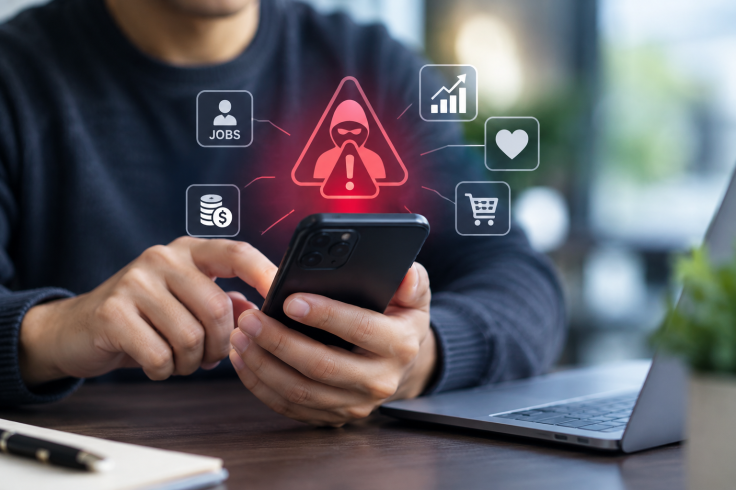
Nine in 10 reported banking scam sessions now originate on mobile devices, while the number of reported employment scam victims increased by 258%, according to BioCatch's 2026 Global Scams report.
The findings highlight the growing use of mobile channels in social engineering scams, in which criminals persuade customers to move money themselves rather than gaining direct access to their accounts.
BioCatch's research draws on data from more than 370 financial institutions serving more than 760 million users across 21 countries.
Employment Scams See Sharp Rise
Employment scam victims increased by 258%, the largest increase among the scam types examined by BioCatch. The report does not establish that every employment scam follows the same pattern. However, the increase shows the scale of growth recorded in this category.
The wider scam problem also grew. Attempted banking scams reported by BioCatch's financial institution customers increased by 35% over the past 12 months, compared with 65% growth in the previous year's report. BioCatch said the figures suggest that financial institutions using behavioural intelligence are having greater success in detecting and deterring scam attempts.
Nine in 10 Scam Sessions Start on Mobile
Nine out of every 10 reported scam sessions originated from a mobile device, up five percentage points from the previous year. By comparison, traditional unauthorised fraud originated from mobile devices in 75% of cases.
The distinction is important because social engineering scams can involve customers being manipulated into making payments themselves. A criminal may therefore not need direct access to an account if the victim can be persuaded to authorise a transaction.
Jonathan Frost, Director of Global Advisory at BioCatch, said scammers do not need to break into an account if they can persuade a customer to move the money for them. BioCatch's report includes a case study identifying behavioural and device abnormalities that can help banks intervene before a victim loses money. These include an active phone call during the banking session, remote-access software on the device, and how the user adds a new beneficiary.
AI Makes Social Engineering Easier
Artificial intelligence is adding another challenge for financial institutions.Thomas Peacock, Director of Global Fraud Intelligence at BioCatch, said AI has lowered the barrier to entry for aspiring scammers, allowing more criminals to create convincing scams at greater scale.
Peacock also said behavioural intelligence can help banks recognise signs of manipulation and coercion before an account holder authorises a transaction. The report highlights the use of behavioural and device signals alongside other fraud controls to identify potentially manipulated sessions.
Investment Scams Remain Costly
Employment scams recorded the fastest growth, but investment scams continued to account for the largest share of global scam losses. BioCatch reported an average investment scam case value of $6,600, nearly five times the overall average across all scam types.
Purchase scams remained the most commonly reported scam type, accounting for 33% of attempted scams reported by BioCatch customers. Romance scam attempts increased by 23%.The figures show that different scam categories are producing different patterns of growth and financial impact.
The Challenge for Banks
The increasing use of mobile channels creates a challenge for financial institutions because a legitimate customer may be using their own device while being manipulated into making a payment.
BioCatch's findings suggest that banks are increasingly using behavioural, device, and transaction signals alongside traditional fraud controls to identify potentially suspicious activity.
For consumers, the findings show how scam attempts can begin through everyday interactions on a mobile device, including employment, investment, and purchase-related activity.
© Copyright IBTimes 2026. All rights reserved.