

Andy Burnham's Brexit Reset Faces Exit Clause Questions Over EU Concerns About Rebuilding Border Checks
EU officials reportedly want safeguards against the cost of rebuilding border checks if a future UK government reverses food-trade alignment
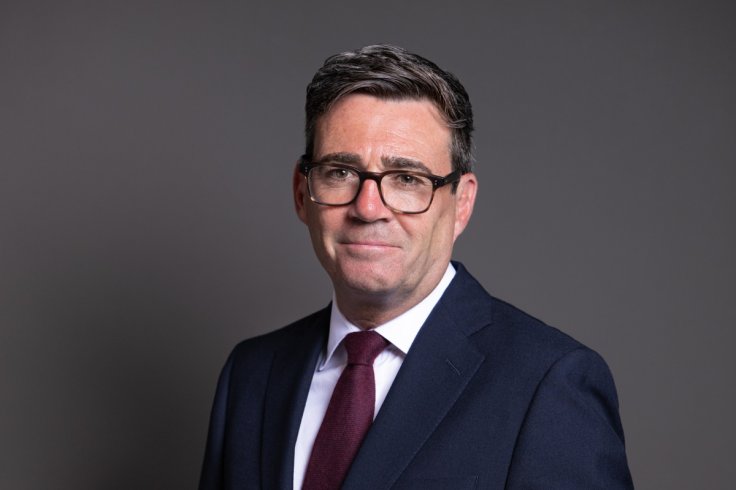
Prime Minister Andy Burnham's Brexit reset faces questions over a possible exit clause before the UK-EU summit in Brussels on Friday, 20 November.
The EU is concerned about the cost of rebuilding border food-safety facilities if a future British government reverses closer alignment, according to BBC reporting.
EU relations minister Hamish Falconer acknowledged on Sunday that an exit clause could be included. He said Britain could help shape EU food rules but would have no vote. No final wording or financial obligation has been established.
Burnham seeks progress on food trade, emissions trading and youth mobility. Negotiators have reportedly settled the food and animal-products text, although formal approval of the broader package remains ahead.
Why the Brexit Reset Could Include an Exit Clause
Falconer said the proposed reset would involve no upfront payments but acknowledged that future withdrawal could be addressed by an 'exit clause'. He described concerns about a future Conservative or Reform government reversing the arrangements as 'reasonable'.
'The EU is worried about that and you can see why,' he said.
Border facilities built after Brexit could be dismantled. Restoring them could be costly. The available reporting does not establish whether the possible clause would require compensation or impose other conditions.
Both the Conservatives and Reform have said they would reverse the reset if they gained power. The Conservatives warn Britain could be left following EU food rules without the ability to reject them.
Falconer argues the UK would have a 'voice in the room', despite having no vote.
How the Brexit Reset Could Reduce Food Trade Costs
Speaking at a Marks & Spencer food court, Falconer highlighted paperwork facing exporters. Some M&S trucks require over 300 pages of export paperwork. He also cited delays for Cox apples from Kent and barriers affecting Lincolnshire sausages.
'This will mean less cost for supermarkets, and I hope that less cost then turns into cheaper produce on the shelves,' Falconer said.
The changes could remove certain food-related checks between Great Britain and Northern Ireland, along with 'Not for EU' labels. Implementation of the food agreement is reportedly expected in the first quarter of 2028, following changes to British legislation.
An earlier government assessment projected that closer food-trade alignment could increase GDP by up to 0.14%, equivalent to roughly £5.1 billion at projected 2040 GDP levels.
Burnham has also said the wider package could lift GDP by 0.4%, approximately £17 billion.
Meanwhile, National Farmers' Union president Tom Bradshaw welcomed the prospect of fewer inspections but called the agreement 'a moment of opportunity and risk'. He said food exports to the EU had fallen by more than a third since 2019. Farmers want clarity on pesticide rules, precision breeding and any transitional arrangements.
Burnham is expected to argue on Monday that Brexit 'has not worked' and that the new agreement must produce tangible benefits. His government says any deal must remain consistent with Labour's manifesto commitments and negotiating red lines.
The summit could clarify implementation. But unless the proposed exit mechanism is explained, a crucial question will remain unanswered: what would happen if a future government chose to reverse the reset?
© Copyright IBTimes 2026. All rights reserved.