

'Finally, There's a Bit of Hope': UK Officials Eye Iran Peace After US Republicans' Midterm Losses
UK officials see fresh hope for Iran peace after Republican midterm defeats, but warn that Donald Trump still retains considerable foreign policy powers
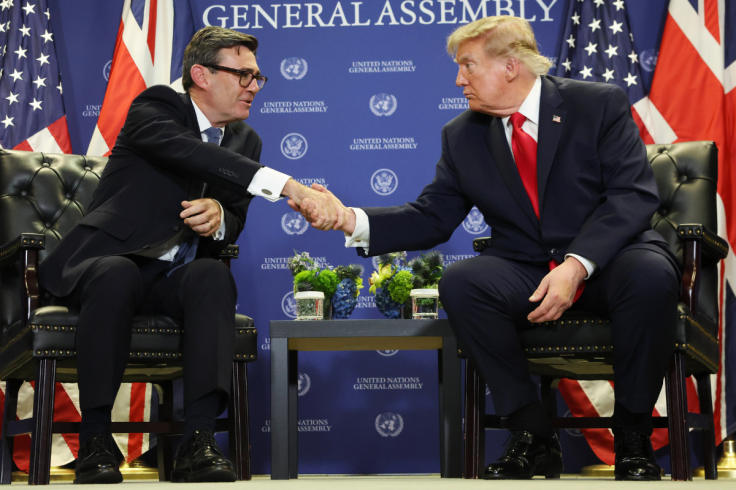
British officials accompanying Prime Minister Andy Burnham at the Commonwealth summit in Antigua see a possible opening for Iran peace after Republican midterm defeats. The assessment was reported by The Guardian on Saturday, 7 November 2026, following the elections on Tuesday, 3 November.
Democrats secured majorities in the House of Representatives and Senate, ending Republican dominance of the incoming Congress. Republicans nevertheless retain control of the sitting chambers until the new Congress convenes in January 2027.
The result may increase pressure on President Donald Trump to pursue negotiations, but no peace agreement has been confirmed.
Iran Peace Hopes Grow as London Weighs Midterm Results
The mood among British officials shifted as results reached the Commonwealth summit in Antigua. An unnamed government official described unexpected Democratic successes in Kansas, South Carolina and Texas before telling The Guardian, 'Finally, there's a bit of hope.'
But the optimism has an economic basis. The US war on Iran has pushed up global energy prices and contributed to higher interest rates, complicating Britain's efforts to ease household costs. Burnham recently acknowledged that his first budget was 'less radical than he had hoped' amid the economic turbulence.
Speaking after the election, Burnham said resolving conflict in the Middle East was essential to reducing living costs. He pledged to press other leaders for de-escalation, rather than suggesting negotiations were already under way.
Former foreign secretary David Miliband predicted that another assault on Iran might now be less likely and pressure for a settlement stronger. His assessment remains a forecast, not a change in confirmed US policy.
Others see a different risk. Emily Thornberry, chair of the Commons Foreign Affairs Committee, warned that Trump could instead escalate militarily, citing US forces already deployed in the Gulf. No invasion plan was confirmed in the reporting.
Iran Peace Uncertainty Complicates Britain's Approach to Trump
Democrats may gain more influence over congressional investigations, spending and legislation when their majorities take effect in January. That would not automatically prevent Trump from ordering further military operations or otherwise exercising presidential foreign policy powers.
British ministers also fear Trump could strike an agreement with Russia over Ukraine without Kyiv's involvement. Renewed tariffs and disagreements over technology regulation remain other potential flashpoints, although officials say they have received no indication of imminent new US tariffs.
Labour figures have begun strengthening ties with Democratic lawmakers, especially over Ukraine, clean energy and artificial intelligence. They are proceeding carefully after Trump's campaign accused Labour of election interference in October 2024.
The allegation followed campaigning for Kamala Harris by current and former Labour staff. Labour representatives rejected the accusation, saying volunteers acted in a personal capacity.
One minister described the election result as an opportunity, while recognising the risks that still lie ahead. London wants the incoming Congress to provide greater scrutiny of the White House without provoking another dispute with the president.
Former British ambassador to Washington Kim Darroch warned against treating Trump as politically finished. He noted that the president retains substantial room to act internationally, including through military operations and tariffs. Burnham, he argued, must continue dealing with Trump throughout the remainder of his presidency.
© Copyright IBTimes 2026. All rights reserved.