

British Families Could Face £2,400 War Blow as Trump Threatens Iran: 'We're Going To Hit Them Hard'
Rising energy prices and inflation linked to US-Iran conflict threaten UK household incomes
British families could be £2,400 worse off in real terms by the end of 2027 as renewed fighting between the United States and Iran threatens to keep energy prices high and deepen the cost-of-living squeeze.
The figure is not a direct bill or guaranteed cash loss. It is the Centre for Economics and Business Research's estimate of how much lower the average household's real income could be compared with a world in which the conflict had not occurred.
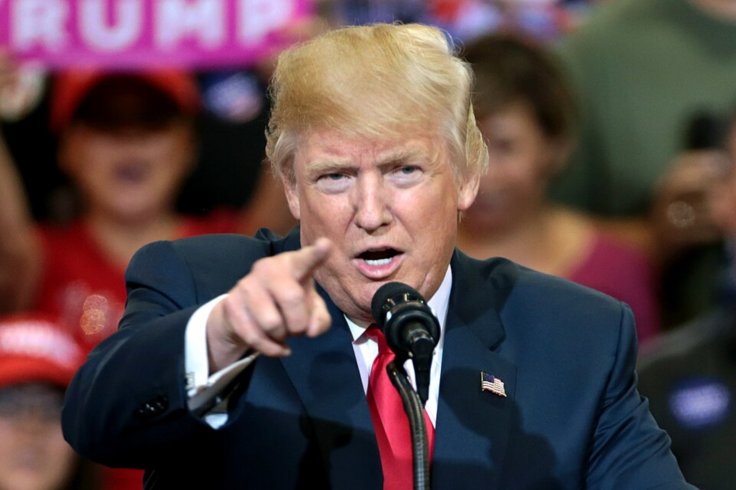
The warning came as US President Donald Trump promised a forceful response following Iranian strikes targeting American positions in Jordan.
'We're going to hit them hard,' Trump said. 'There will be a response.'
What the £2,400 Estimate Means for Families
The Centre for Economics and Business Research estimated that the average British household's real income could be £1,100 lower in 2026 and another £1,300 lower in 2027 because of higher inflation and weaker wage growth linked to the conflict.
Together, those reductions amount to £2,400 over two years. Across the country, the total impact on household disposable income could reach approximately £70.4 billion.
Real income measures how much a household can buy after inflation is taken into account. Families may not see £2,400 physically removed from their bank accounts, but their wages could purchase less as petrol, heating, food and transport costs rise.
Lower-income households are particularly exposed because energy, food and travel consume a larger proportion of their budgets.
Trump Threat Raises Fears of Wider Escalation
The latest confrontation began after American forces struck Iranian rocket-launcher positions on Larak Island. US officials said the operation targeted forces that posed an imminent threat to shipping and American personnel.
Iran responded by firing missiles towards US positions in Jordan. Officials reported that the attack caused no casualties, but Trump warned that Washington would retaliate.
The exchange has raised fears that fighting could spread again after a period of reduced hostilities. Any escalation involving military bases, tankers or Gulf energy infrastructure could quickly affect international oil supplies.
Brent crude climbed above $91 (£67) a barrel on Tuesday as traders assessed the danger of further attacks and renewed disruption to shipping routes.
Why a Middle East Conflict Hits UK Bills
Britain does not need to buy all its oil or gas directly from Iran to feel the financial effects of the conflict. Energy is traded internationally, meaning disruption in one major producing region can push up wholesale prices across the world.
More expensive oil increases the cost of petrol, diesel, aviation and freight. Businesses can then pass those additional costs to customers through higher prices for food, clothing and other goods.
Ofgem has confirmed that the price cap will rise by 4 per cent from 1 October 2026, increasing the typical annual dual-fuel bill by £60 to £1,723. The regulator attributed the increase primarily to higher wholesale gas prices caused by the continuing Middle East conflict.
The cap limits the unit rates suppliers can charge on standard tariffs, but it does not permanently protect customers from changes in wholesale markets. Sustained price increases can feed into later cap calculations.
Strait of Hormuz Remains the Biggest Risk
The Strait of Hormuz is one of the world's most important oil routes, linking Gulf producers with international markets.
The UK Maritime Trade Operations agency reported that a tanker travelling through the strait was struck by three unidentified projectiles on 31 August. No casualties or environmental damage were reported, and the vessel involved was not publicly identified.
The origin of the projectiles had not been confirmed, so responsibility should not be attributed to Iran or any other party without further evidence.
Even limited attacks can increase insurance and transport costs. Shipping companies may delay journeys, change routes or charge more to operate in dangerous waters, adding further pressure to oil prices.
What Happens Next for British Households
The eventual cost will depend on the length and severity of the conflict. A rapid de-escalation could allow oil prices and shipping costs to fall, reducing the impact predicted by economists.
However, further American and Iranian attacks could keep inflation higher for longer. That would weaken household spending power, limit the scope for interest-rate reductions and place additional pressure on families already paying higher energy bills.
The £2,400 estimate is a warning rather than a fixed bill. But with Trump promising to 'hit Iran hard' and the Gulf once again facing military and shipping threats, the economic consequences could reach British homes long before the fighting comes to an end.
© Copyright IBTimes 2026. All rights reserved.