Trump Blasts Exxon, Chevron Over $26B Iran War Windfall, Vows They'll 'Give Some Back'
US President targets Chevron and ExxonMobil over record profits as fuel prices soar
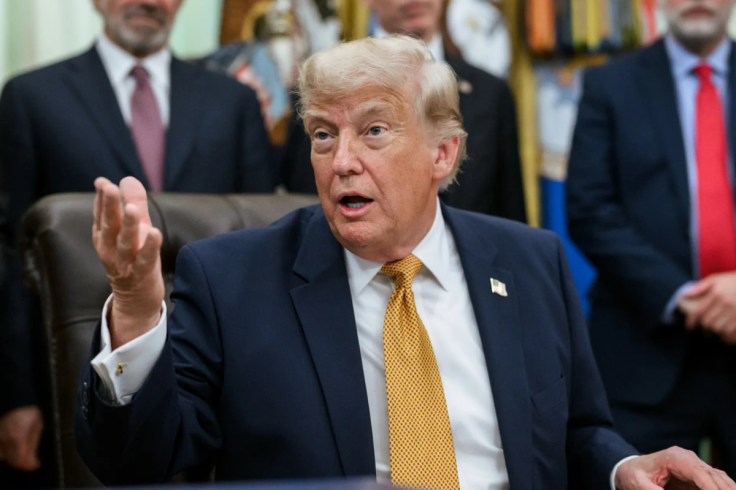
President Donald Trump has turned his criticism on America's largest oil companies, demanding they lower petrol prices after reporting billions of dollars in profits during a period of elevated energy prices linked to the war with Iran.
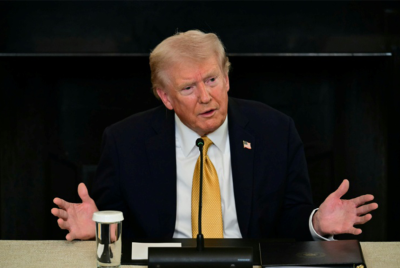
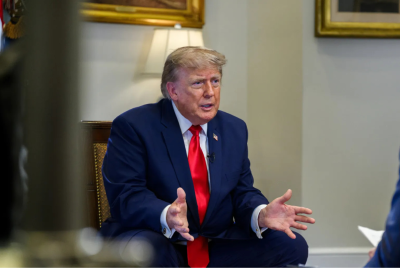
Speaking at the White House on Monday, Trump accused major producers of benefiting from market disruption while motorists continue paying significantly more at the pump.
'They're making too much money based on a shortage,' Trump told reporters. 'I don't like it.'
He singled out Chevron and ExxonMobil, which together reported more than $26 billion (£19.6 billion) in profit for the three months ending in June.
'Chevron: too much money. ExxonMobil: too much money,' Trump said. 'They're going to give some of that back to the public and they better cut the retail price, the consumer price.'
The remarks represent one of Trump's strongest public criticisms of the US oil industry since returning to office, despite previously championing domestic fossil fuel production.
Iran War Sends Oil Prices Higher
The president's comments come after months of volatility in global oil markets following the outbreak of fighting involving Iran. Before the conflict began in late February, Brent crude traded at roughly $70 per barrel.
Concerns over supply disruptions, particularly around the Strait of Hormuz, pushed prices sharply higher, with Brent climbing to around $126 per barrel in April before easing to approximately $85 in recent weeks.
The Strait of Hormuz remains one of the world's most strategically important shipping routes, carrying around one-fifth of global oil and liquefied natural gas supplies. Any threat to maritime traffic through the narrow waterway tends to reverberate quickly across international energy markets.
Trump predicted prices would fall sharply once the conflict eventually ends. 'I think oil prices are going to drop through the floor,' he said.
Oil Giants Report Record Earnings
The higher crude prices translated into exceptionally strong quarterly results for the industry's largest producers. Chevron reported $12.2 billion in quarterly profit, representing the company's highest quarterly earnings on record and roughly five times the figure recorded during the same period last year.
ExxonMobil posted $14.5 billion in profit, approximately double its year-earlier performance and its strongest quarterly result since energy markets surged following Russia's invasion of Ukraine in 2022.
While Trump accused companies of profiting from shortages, industry earnings are influenced by several factors beyond retail fuel prices, including global crude prices, production volumes, refining margins and operational costs. Neither company immediately responded publicly to Trump's latest remarks.
Rising Petrol Prices Become Political Challenge
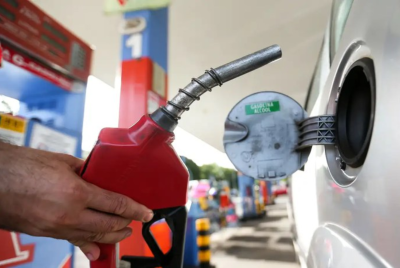
The increase in oil prices has filtered through to American motorists. According to AAA, the national average price of regular petrol has climbed to approximately $4.11 per gallon, compared with around $3 per gallon before the conflict escalated. The higher cost of fuel has become an increasingly significant political issue as households continue facing elevated living expenses.
Recent polling suggests roughly half of Americans say rising petrol prices are causing financial hardship, while around eight in ten respondents believe the administration has not done enough to reduce fuel costs. With the November midterm elections approaching, Trump has repeatedly made lowering petrol prices a central public message.
In June, he wrote on Truth Social, 'Gasoline Retailers must get their Prices down, IMMEDIATELY.' He added that retailers failing to reduce prices would face 'big problems.' The administration has also directed the Department of Justice to investigate potential price gouging within parts of the retail fuel market.
Industry Says Global Markets Set Prices
Trump's comments came shortly before BP reported that its own quarterly profit had doubled to $5.7 billion. Asked about the president's criticism, BP chief executive Meg O'Neill acknowledged the pressure facing consumers but argued that oil producers operate within global commodity markets rather than setting retail fuel prices directly.
'The reality is, we produce a global commodity, and the product we sell hangs off that global commodity price,' she said.
According to the US Energy Information Administration, crude oil typically accounts for around 51% of the price consumers pay for a gallon of petrol. Refining represents roughly 20%, while distribution, marketing, taxes and retail costs make up the remainder.
That means movements in international crude markets remain the single biggest driver of petrol prices, although refining capacity, seasonal demand and local competition also influence what motorists ultimately pay.
Pressure Builds on Industry and White House
The industry's strong financial performance has also drawn criticism from environmental campaigners. Clémence Dubois, executive director of 350.org, described the latest profits as 'obscene,' arguing that consumers are absorbing higher energy costs while major producers continue reporting record earnings.
For Trump, the issue presents a political balancing act. He has consistently promoted expanded US oil production and closer ties with the energy industry. At the same time, persistently high petrol prices risk undermining one of his key economic messages as voters continue to feel the effects of higher transport and household costs.
Whether the president's public pressure leads to lower pump prices will ultimately depend less on corporate earnings than on the trajectory of global crude markets, developments in the Iran conflict and the stability of energy supplies through the Strait of Hormuz over the coming months.
© Copyright IBTimes 2026. All rights reserved.
- Recommended For You