Oil Price 2026 Forecast: Five Things Brent's Slide to $80 Means for Your Energy and Food Costs
Sub-$3 gas isn't coming back in 2026 and grocery price shocks are still feeding through to stores
Brent crude crashed to $83 (£62) a barrel on Monday morning. American drivers and shoppers hoping for cheaper gas and groceries will still be waiting weeks for the relief to reach their wallets.
The slide came after US President Donald Trump posted on Truth Social on Sunday evening that an agreement with Iran will be signed on Friday, including the reopening of the Strait of Hormuz and the immediate lifting of the US naval blockade.
Oil futures sank around 4% when markets reopened on Monday, with West Texas Intermediate (WTI) trading near $80 (£60) a barrel. Both benchmarks are now down nearly 13% from mid-last-week levels and roughly 35% below the wartime peak of $126 (£94) reached during the conflict that began on 28 February 2026.
For US households, the slide is more complicated than the headline number suggests. Here's what falling crude actually means for the bills landing on your kitchen counter this summer.
Gas Pumps Won't Drop Quickly
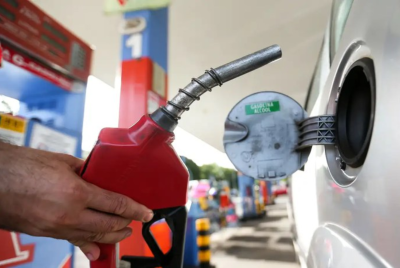
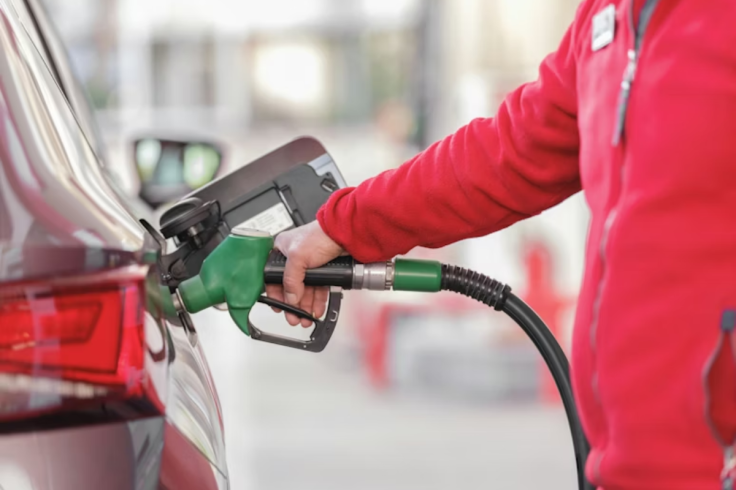
The national average gas price stood at $4.07 (£3.04) a gallon on Monday, according to the American Automobile Association (AAA), down from a $4.55 (£3.40) peak on 21 May but still well above the $2.98 (£2.22) average on 28 February. Drivers should expect elevated prices through at least early July as stations work through existing inventory and refiners adjust to new supply conditions.
Sub-$3 Gas Isn't Coming Back This Year
Brent and WTI futures contracts for delivery through February 2027 are still trading near $80 a barrel, even after Monday's announcement. Oil analyst Denton Cinquegrana told Newsweek that Americans can 'kiss' the pre-war $2.98 national average 'goodbye for the rest of 2026'. Chevron Chief Executive Officer Mike Wirth has repeatedly cautioned that getting tankers moving through Hormuz again will not be quick or easy.
Grocery Prices Are the Next Shoe to Drop
Mark Zandi, chief economist at Moody's Analytics, told CBS News that 'grocery prices will probably be a bit higher' because fuel costs flow through to transportation from farm to store. April grocery prices rose at the fastest pace in nearly four years, and the food shock will be slower to reverse than gas because autumn harvest sizes are already locked in from spring planting decisions.
The March Inflation Hit is Already Baked In
US gasoline prices are up around 40.5% year over year, helping push overall energy costs up 7.8% over the last two months, according to Bureau of Labor Statistics (BLS) data. Annual Consumer Price Index (CPI) inflation hit 3.3% in March, the highest level since May 2024, driven primarily by the war-era oil shock. Those higher readings will continue to land in inflation reports through the summer, regardless of Friday's signing.
The 'Rockets and Feathers' Rule Applies Here
Energy economists describe a pattern where fuel prices rise quickly during supply disruptions but fall slowly after a crisis ends, a phenomenon known as the 'rockets and feathers' principle. Boston College economist Brian Bethune told CBS News a 'second wave' of fuel surcharges on food and other commodities is still coming, even as crude falls. Lydia Boussour of EY-Parthenon said full normalisation will take time, especially for supply chains and energy capacity.
Brent's crash to $83 lit up Wall Street and pushed the Dow to a fresh record close on Monday. For American families, the wartime peak hasn't paid off yet. Cheaper barrels in the futures market still take weeks to reach the pump, the grocery aisle, and the airline ticket.
© Copyright IBTimes 2026. All rights reserved.
- Recommended For You