

Trump vs. California: 20,000 Ballots in Limbo as DOJ Demands Proof of Citizenship Days Before the Vote
Governor Newsom called the suit an attempt to suppress voters, while legal experts questioned its basis and timing
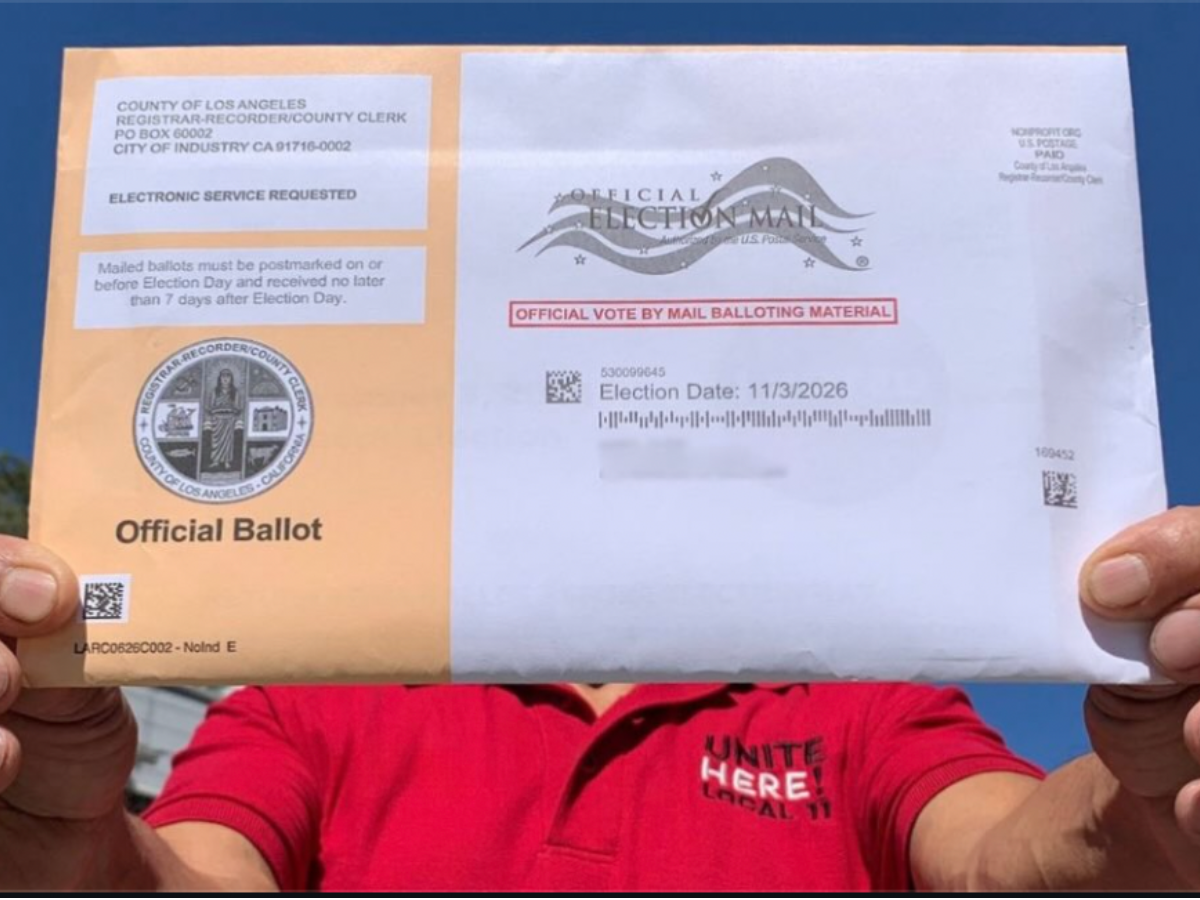
As many as 20,000 California ballots could go uncounted in the 3 November midterm elections after the Trump administration asked a federal court to freeze them until the voters behind them prove they are United States citizens. The request landed with ballots already in the post and barely three weeks to go, turning a long-running dispute over the state's voter rolls into a court fight.
The Justice Department filed the lawsuit on Thursday in federal court in Los Angeles, naming California Secretary of State Shirley Weber and Los Angeles County Registrar-Recorder and County Clerk Dean Logan as defendants. It does not seek to strike the voters off. It asks a judge to set aside the ballots returned by the flagged voters and halt signature checks and tabulation until each person's citizenship is confirmed.
Anyone on the list not yet sent a ballot, the government argues, should have it withheld.
The Thumb Drive That Started the California Ballots Fight
Two days earlier, the department wrote to Weber and Logan and handed Los Angeles County a password-protected thumb drive containing more than 20,000 names, giving officials 48 hours to check whether any were citizens. Acting Deputy Attorney General Trent McCotter warned that 'the United States will have no choice but to seek emergency relief' if the state failed to act. The deadline passed, and the lawsuit followed.
Logan said his office had not opened the drive, because it did not meet the security standards it applies to voter data. 'Maintaining accurate voter registration records is a fundamental responsibility of our office,' he said, adding that any response would follow state and federal law and that eligibility must rest on verified information, not unconfirmed matches.
How the 20,000 California Voters Were Flagged
According to the complaint, US Citizenship and Immigration Services matched California's voter records against its files, ranked the results by confidence, and ran the strongest through further checks. Homeland Security Investigations then reviewed them and concluded it reasonably believed around 20,000 noncitizens were registered to vote in the state.
Weber disputed the data. She said the list lacked 'both the detail and function to be of any investigative use,' and that the government had never explained the methodology behind an earlier, larger claim. In July, Homeland Security Secretary Markwayne Mullin told California, Nevada, New Jersey, and Pennsylvania that noncitizens sat on their rolls, among them more than 190,000 in California.
At the time, Weber had said: 'I have serious doubts about the reliability of your data and accuracy of your claims.' Similar federal lists in the other three states proved unreliable when examined.
Blanche and Newsom Clash Over the California Lawsuit
Attorney General Todd Blanche said in a statement, 'State-facilitated voter fraud is unacceptable in the United States of America.' He warned that if California were found responsible, it would have 'seriously undermined confidence in our electoral system and violated laws that protect our nation's representative system of government.'
The complaint states: 'The State knows that noncitizens might be registered to vote, and it knows the names of such individuals.' It says California's conduct knowingly facilitates unlawful voting.
Governor Gavin Newsom rejected the suit, calling it 'a sad, desperate attempt by Trump to use his politicized Justice Department to try to suppress California voters' weeks before the vote. He said Washington has no role in how a state runs its elections, and accused it of pressing local officials to break the law mid-vote.
The complaint cites no statute that would let the government impose a fresh citizenship test on voters this late. Notre Dame Law School professor Derek Muller called it a long shot. Federal law separately bars states from systematically removing names from the rolls within 90 days of a federal election, a safeguard against last-minute purges of eligible voters. Every registered voter in California is sent a ballot, and the state began posting them on 5 October to a roll topping 20 million.
The case carries national stakes. California could help decide control of the US House of Representatives after its voters approved a new congressional map that favours Democrats. For now, the flagged ballots sit in limbo, and a federal judge will decide whether 20,000 Californians have their votes counted on time.
© Copyright IBTimes 2026. All rights reserved.