

Trump Targets 250 Americans in Push Dubbed the 'Largest Denaturalization Effort in Modern History'
The complaints involve allegations including concealed criminal conduct, while federal courts must decide whether any citizenship revocations are legally justified
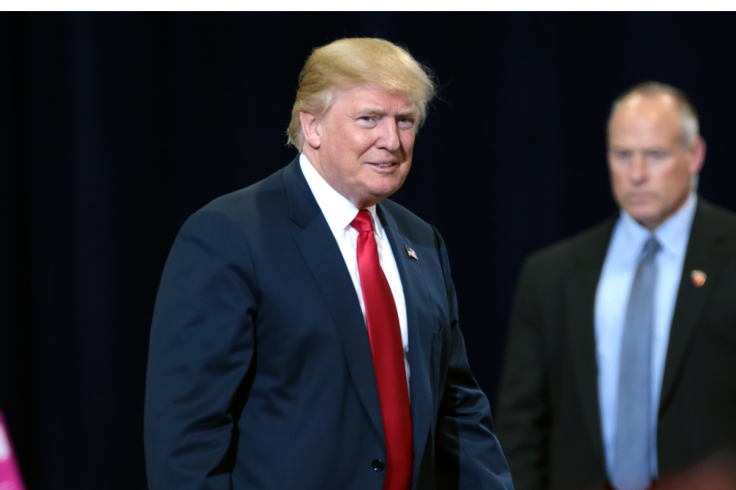
The Justice Department has filed 40 denaturalisation actions and is reportedly planning 250 cases under Donald Trump's immigration crackdown.
The Trump administration is accelerating its denaturalisation campaign, with the US Justice Department filing actions against 40 naturalised US citizens between 21 August and 2 October 2026. Attorney General Todd Blanche described the effort as the 'largest denaturalisation effort in modern history'.
The administration has reportedly planned to file 250 denaturalisation cases by October, according to the Migration Policy Institute. That figure refers to reported planned cases, not 250 people who have already lost their US citizenship.
Trump's Denaturalisation Push Reaches 40 Cases
The Justice Department said the latest complaints were filed across 19 federal districts.
The DOJ said the individuals are accused of serious offences, including acting as an agent for a foreign government, voluntary manslaughter and aggravated sodomy against a special-needs man.
Blanche said the cases involved individuals who allegedly concealed 'critical facts' from the US government. He said the department would continue using denaturalisation to protect national security and the American public.
The Justice Department stressed that the claims remain allegations and that there has been no determination of liability in the 40 cases announced on 5 October.
That distinction matters because filing a denaturalisation complaint does not, by itself, remove someone's citizenship. A federal court must ultimately determine whether the legal requirements for revocation have been met.
Some cases reportedly centre on alleged misrepresentations or omissions made during immigration proceedings. Prosecutors argue that certain concealed information could have affected whether the individuals were eligible for naturalisation.
Why the 250-Case Plan Is Raising Questions
For context, denaturalisation has historically been a relatively rare government tool.
The Migration Policy Institute found that the Justice Department filed an average of 11 denaturalisation cases each year between 1990 and 2017. During Trump's first administration, the average rose to about 25 civil cases a year.
The department has filed 40 actions during the latest filing period alone.
The Migration Policy Institute reported in June that the administration had identified 384 potential denaturalisation cases by April 2026 and had taken action against at least 39 individuals by June.
The organisation also reported that the administration reportedly planned to file 250 denaturalisation cases by October.
Denaturalisation proceedings can turn on whether an applicant concealed or deliberately misrepresented material information during the naturalisation process.
What Happens To Naturalised Americans?
Under the Immigration and Nationality Act, a naturalised US citizen's citizenship may be revoked if naturalisation was illegally procured or obtained through concealment of a material fact or wilful misrepresentation.
The Justice Department's recent cases have included allegations that individuals concealed criminal conduct or other information that could have affected their eligibility for citizenship.
In its latest announcement, however, the department made clear that the claims in the complaints are allegations only.
There is also a significant difference between being investigated, facing a denaturalisation complaint and actually losing citizenship. A federal court must ultimately determine whether the legal requirements for revocation have been met.
That makes the administration's reported plan for 250 cases striking, but the figure should not be confused with 250 completed citizenship revocations.
The broader immigration crackdown has also faced legal challenges. On 5 October, a federal judge in Boston blocked enforcement of a Trump administration policy imposing fines of up to $1.8 million (£1.35 million) on migrants who fail to leave the US after receiving final deportation orders.
The ruling adds another legal challenge to Trump's immigration policies as the Justice Department presses ahead with its denaturalisation campaign.
Blanche has defended the strategy, saying the department will continue pursuing denaturalisation cases involving individuals it believes obtained citizenship unlawfully.
For the naturalised US citizens now facing proceedings, however, the allegations will ultimately be tested through the US legal process.
© Copyright IBTimes 2026. All rights reserved.