Expert Warns Supreme Court's New SAVE Ruling Could Be More Harmful Than It Appears
The SAVE ruling is temporary, while a separate Arizona case set for December could define how far the NVRA's 90-day restriction reaches before federal elections

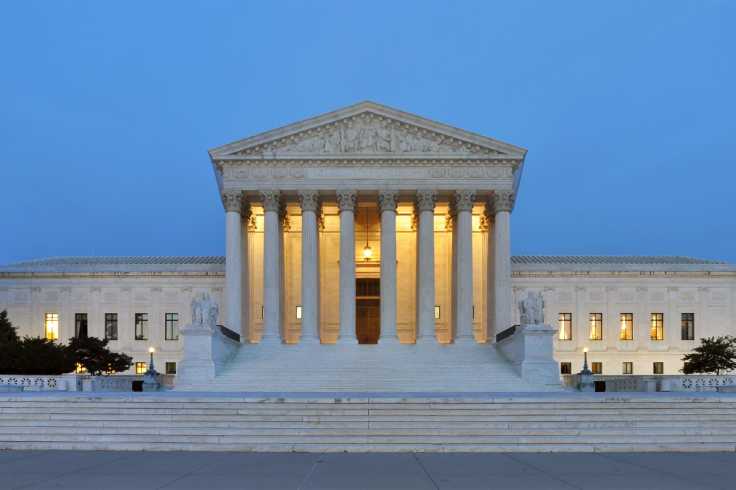
The U.S. Supreme Court on 25 September allowed the federal government to resume using a modified version of the SAVE citizenship-verification programme while an appeal continues, a ruling election lawyer Marc Elias says could have consequences beyond its immediate effect on the 2026 midterm elections.
In an unsigned per curiam opinion in Department of Homeland Security v. League of Women Voters, the Court stayed a 22 June order that had vacated the 2025 modifications to SAVE. The programme, formally known as Systematic Alien Verification for Entitlements, now incorporates checks against additional Social Security Administration records and allows state and local authorities to conduct bulk searches.
For context, the challengers, including the League of Women Voters and the Electronic Privacy Information Center, argued that the changes violated the Social Security Act, the Privacy Act and the Administrative Procedure Act.
The district court agreed, and a divided D.C. Circuit panel later declined to stay that ruling while the government's appeal proceeded.
The Supreme Court took a different preliminary view. It said the organisations likely had standing but concluded that their statutory claims were unlikely to succeed on the merits. The Court said federal law likely permits the Department of Homeland Security to request and receive citizenship-status information from other agencies despite restrictions elsewhere in federal law.
Justice Ketanji Brown Jackson dissented, joined by Justices Sonia Sotomayor and Elena Kagan. Jackson argued that the majority misread the statutes and gave too little weight to potential harm to lawful voters.
Supreme Court SAVE Ruling Has Limited Immediate Reach
The Court said the National Voter Registration Act's 90-day provision limits the immediate effect of its stay. The law requires states to complete programmes designed to systematically remove ineligible voters from federal-election rolls no later than 90 days before a federal primary or general election, subject to statutory exceptions.
The justices said individualised inquiries remain permitted during that period. Jackson described the limited short-term effect as a possible 'bright side' but argued that burdening or disenfranchising even a few lawful voters outweighed the harm the government said it would suffer without a stay.
The modified SAVE system followed a March 2025 executive order from President Donald Trump directing federal agencies to facilitate citizenship verification for voter-registration purposes. According to the Supreme Court, the revised system added access to Social Security records and bulk-search functions that the earlier version did not offer.
The 25 September order does not finally resolve the legality of the changes. The stay remains in place while the appeal proceeds and, under the order's terms, may continue through any later petition for Supreme Court review.
December Case Could Define the 90-Day Rule
Elias's concern focuses on Republican National Committee v. Mi Familia Vota, a separate case set for oral argument on 8 December. The Supreme Court cited that case in its SAVE ruling, saying it will consider whether the NVRA bars states from implementing programmes within the 90-day period to cancel registrations of voters who are not U.S. citizens.
That question was not decided in the SAVE case because the parties had not asked the Court to resolve it and had not briefed it.
Elias argues that the pending case makes the current 90-day limitation less reassuring than it may initially appear. His connection to the litigation is relevant: Elias Law Group, which he chairs, represents Mi Familia Vota and Voto Latino in the Supreme Court case.
The Republican National Committee and the U.S. government take a different legal position. Their merits filings support the argument that the NVRA's 90-day restriction does not prevent Arizona from cancelling registrations in circumstances involving people whom election officials identify as improperly registered noncitizens.
The Supreme Court has not decided that issue. Its docket shows respondents' merits briefs are due 13 October, with oral argument scheduled for 8 December.
For now, the 25 September order allows the modified SAVE programme to operate while litigation continues. The Arizona case will address the scope of the 90-day rule that the Supreme Court expressly left unresolved in the SAVE dispute.
© Copyright IBTimes 2026. All rights reserved.
- Recommended For You