

Every New EU Car Now Watches Your Every Move, Raising Questions About Car Data Privacy
New EU safety rules promise fewer crashes, but critics say privacy could pay the price
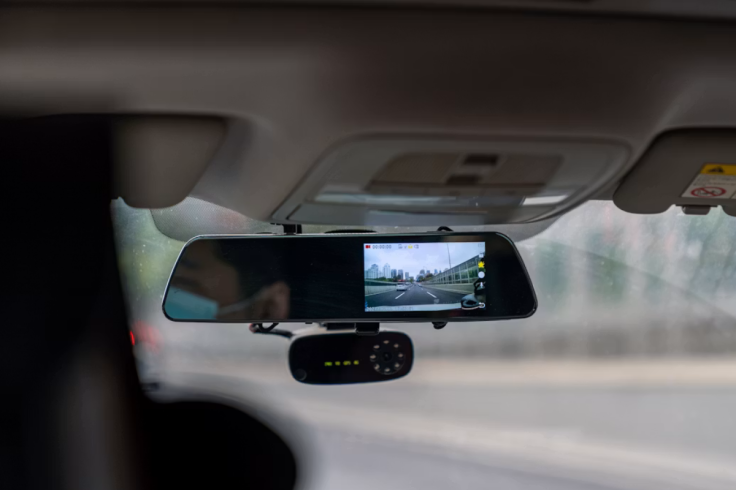
All new cars sold in the EU must now have a driver-facing camera as part of the mandatory Advanced Driver Distraction Warning (ADDW) system. The feature is designed to help prevent distracted driving crashes, but it has also sparked a debate over whether the safety benefits are worth the increased fears about data privacy.
A Safety Feature or Constant Surveillance?
Many vehicles use an infrared camera mounted behind the steering wheel or dashboard to monitor driver attention. The ADDW system tracks the driver's eye movements and reacts whenever attention drifts from the road for too long.
Once the car is travelling above 20 km/h (12 mph), this feature activates automatically and cannot be permanently disabled. While European officials say that this technology can help save thousands of lives, critics argue that the rules offer fewer answers about data privacy than road safety.
Motorists Question Whether the Alerts Go Too Far
Not everyone is convinced that this technology strikes a balance between safety and usability. Gocar.be, a Belgian automotive publication, tested the system in an Xpeng P7+ and found the technology reacted to harmless actions, like glancing at the landscape or looking at the infotainment screen to change a song. The outlet also noticed that while drivers can temporarily disable the feature, it automatically reactivates after restarting the vehicle.
Some people voiced the same concerns online. Reddit user u/premium_bawbag, after renting a Ford Puma with the feature, shared: '10 mins into driving, the distraction warning kicks in... I found this incredibly distracting.' According to the user, the feature resets after every engine start, requiring the feature to be disabled again.
The Rules Leave Important Gaps
According to the EU, the ADDW system utilises a 'closed-loop' design that doesn't rely on biometric identification. Thus, in theory, the eye-tracking data stays inside the vehicle and isn't shared with third parties.
However, regulations don't explain fully how that works in practice. The regulation does not specifiy an independent auditing process that confirms whether the manufacturers keep the data inside the vehicle. The law also doesn't clearly state how long information is stored or what counts as 'necessary' data.
Under the General Safety Regulation Article 6(3), the EU privacy regulations require that personal data be processed. It does not, however, specify retention times for ADDW systems. Privacy advocates say that has led to calls for more transparency as vehicles continue to gather more information than ever.
Can Drivers Trust Carmakers With Their Data?
The biggest challenge here isn't the technology itself, but whether drivers can trust companies to handle data responsibly. In 2024, it was reported that several major carmakers like General Motors shared driving behaviour data with data brokers that produced insurance risk scores. General Motors later ended the deal and agreed to pay $12.75M to settle allegations that it didn't properly disclose the program.
Former Tesla employees also shared customer camera footage of crashes and other private data internally in 2023. The ADDW system of the EU wasn't involved. However, they show the risks of collecting sensitive information.
While the European privacy laws under the GDPR put limits on data collection and storage, the issue has intensified calls for clearer guidance on how driver-monitoring data is stored, protected, and audited.
© Copyright IBTimes 2026. All rights reserved.