15,000 Black Cabs, 105,000 Drivers: Could Self-Driving Cars Wipe Out London's Taxi Trade?
Robotaxis hit London streets: can the black cab survive?
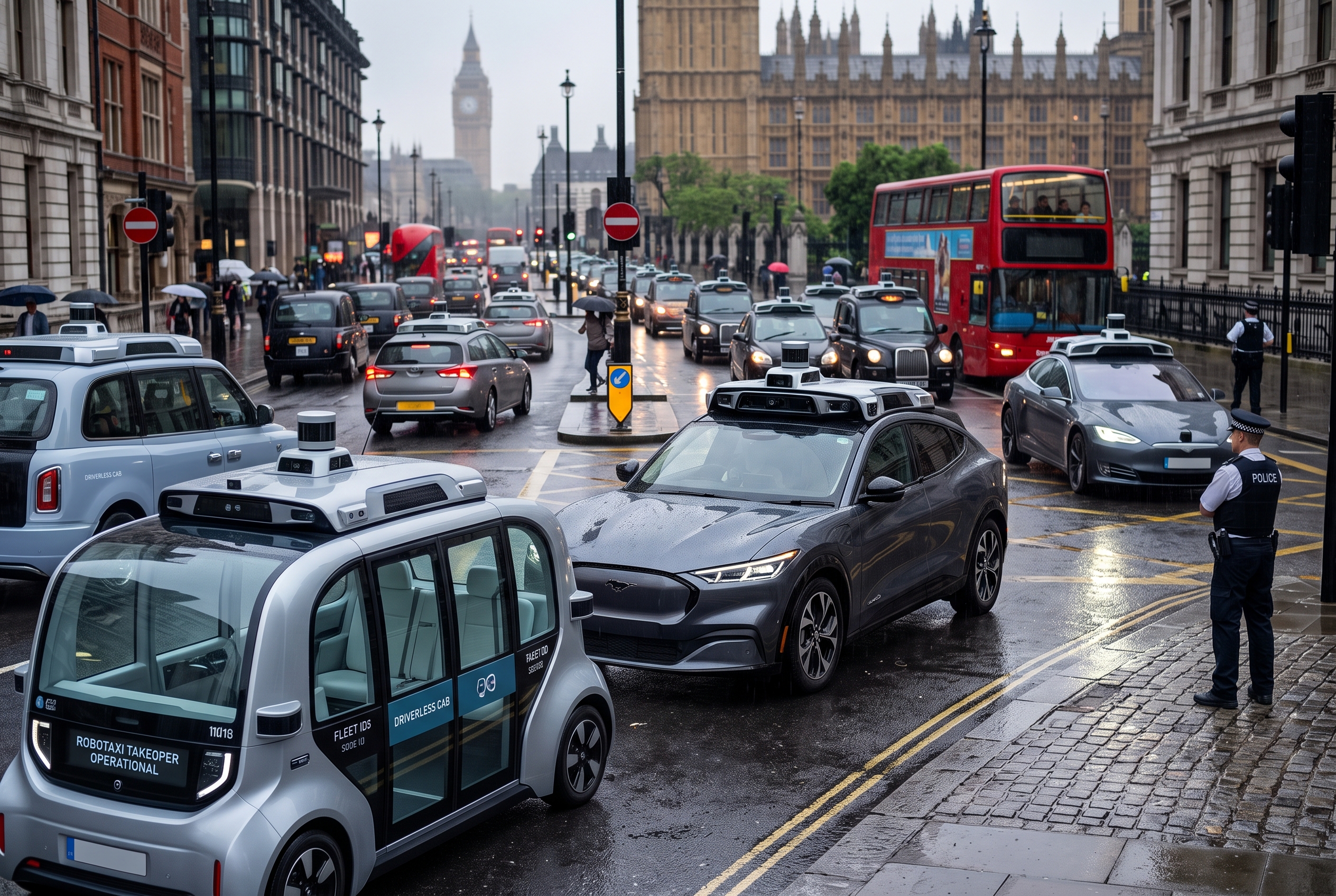
Self-driving taxis have begun carrying paying passengers on the streets of London, putting a question mark over the future of a trade that supports nearly 15,000 black cab drivers and around 105,000 private-hire drivers, according to figures cited by the Financial Times.
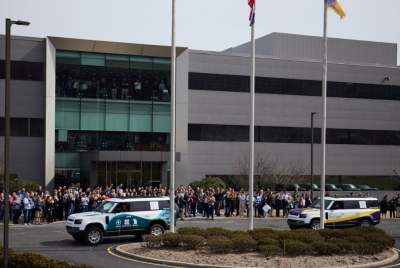
The first of those services went live on 3 September, when Wayve, a British artificial intelligence firm, switched on autonomous rides through Uber's app using a small fleet of all-electric Ford Mustang Mach-E cars. The vehicles are supervised for now, with a Transport for London-licensed safety driver behind the wheel and able to take over, and Reuters reported that fewer than 20 were running at launch.
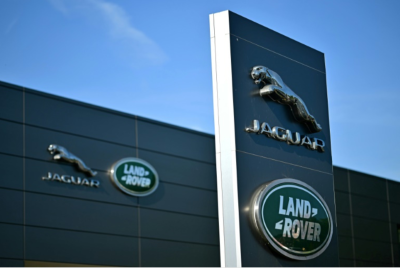
Waymo, owned by Google's parent Alphabet, is trialling its Jaguar cars in the capital, while Baidu's Apollo Go, operating with Lyft, joined the pilot over the summer.
The black cab was already in retreat before any of this. The number of licensed London taxis fell from 22,200 in 2013 to about 15,100 a decade later, London Assembly figures show, as passengers migrated to private-hire apps such as Uber and Bolt.
London's Black Cab Drivers Are Not Convinced
The trade's response has been sceptical rather than fearful. Steve McNamara, general secretary of the Licensed Taxi Drivers' Association, which represents the capital's black cab drivers, described self-driving taxis as 'a solution looking for a problem,' arguing that London's Roman-era street layout, chronic congestion, and the freedom of British pedestrians to cross where they like make the city far harder to automate than the grid streets of Phoenix or San Francisco.
He has also questioned how the technology would handle the everyday business of the job. Lost property, unwell passengers, and last-minute changes of route remain unresolved, he has said, as does the underlying commercial model. Drivers note, too, that the vehicles now on London's roads are not truly driverless, because a human still steps in at difficult junctions.
The operators see it differently. Wayve's chief executive, Alex Kendall, has said Londoners will come to treat autonomy as 'another choice alongside the Tube, cycling, walking,' and the companies insist the city has room for the option. Waymo has signalled it intends to remove the safety driver altogether and charge fares in direct competition with black cabs once regulators permit it.
What the Driverless Rollout Could Cost Drivers
The government has actively backed the shift. The Department for Transport brought pilots of driverless 'taxi- and bus-like' services forward to spring 2026, a year ahead of schedule, before the full Automated Vehicles Act takes effect in the second half of 2027 and opens the way for cars with no one at the wheel.
Officials estimate the sector could create 38,000 jobs and add £42B ($57B) to the economy by 2035, and they argue the safety case is strong, citing human error as a factor in 88% of road collisions. Transport Secretary Heidi Alexander said 'the future of transport is arriving.'
Lessons From Cities That Went Driverless First
Evidence from cities further down the road is mixed. According to the Financial Times, drivers in Wuhan, where Baidu launched a fully driverless service in 2022, saw daily earnings fall by about 11% after robotaxis arrived, and pay per trip has slipped in several US cities.
One widely cited model suggests autonomous fleets could eventually erase as much as 76% of frontline driving jobs. The paper noted that the impact tends to fall hardest on immigrants, who make up a large share of the trade; a Swedish study it cited found that qualifying as a driver lifted newcomers' monthly incomes by almost 50% and cut their reliance on benefits by a quarter. 'But that is the optimistic take,' said Mounir Karadja, one of its authors.
It is not all one way. Driverless fleets still need cleaning, charging, and repositioning, and in Nashville, where Lyft offers Waymo rides, about half the staff at one depot are former drivers.
The technology also remains fallible, with a system malfunction in Wuhan this year leaving at least 100 robotaxis stranded mid-road. For now, no London fare has been published, and whether a robotaxi can undercut a black cab remains unproven.
© Copyright IBTimes 2026. All rights reserved.
- Recommended For You