UK May Raise Tariffs on Chinese EVs While Opening Door to Chinese Carmakers Amid 'Buy European' Talks
Britain is weighing higher tariffs on Chinese EVs as it negotiates closer alignment with EU industrial policy
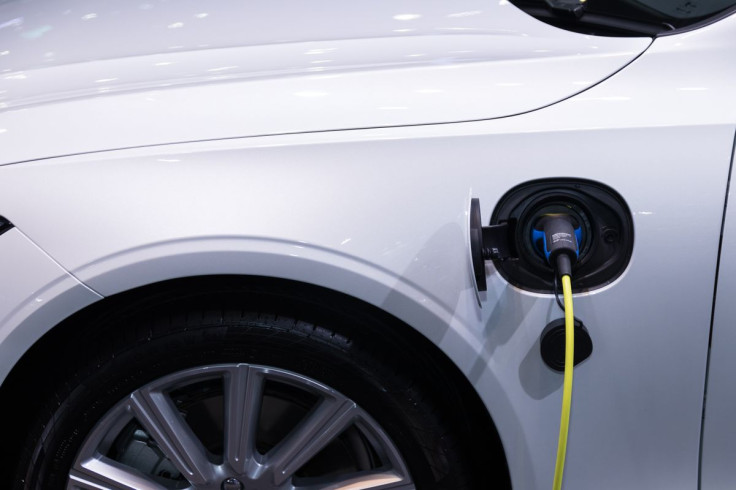
Business Secretary Jonathan Reynolds has confirmed that tariffs on Chinese electric vehicles remain 'under review' as Britain seeks access to the European Union's proposed 'Made in Europe' industrial programme.
Reynolds said the UK faced a 'finely balanced' decision over whether to raise tariffs on Chinese EVs, with different parts of the domestic automotive sector seeking different approaches. The Government is negotiating with Brussels over British participation in measures intended to support European manufacturers and supply chains.
The issue comes as Britain continues to attract Chinese automotive investment. Nissan is exploring a manufacturing arrangement with Chinese carmaker Chery at its Sunderland plant, adding another consideration as ministers weigh closer alignment with EU trade policy.
Pressure Over UK-EU Trade Alignment
The EU introduced additional tariffs on Chinese electric vehicles in 2024 after concluding that Chinese manufacturers benefited from state subsidies. The duties range from 7.8% to 35.3% on top of the existing 10% import tariff, depending on the manufacturer.
The bloc is now developing its Industrial Accelerator Act, which includes proposed 'Made in Europe' requirements designed to strengthen European supply chains and reduce reliance on foreign producers, particularly China. The measures could affect access to subsidies, public procurement contracts and other incentives.
Britain is seeking inclusion in the arrangements because of the close integration between UK and EU automotive supply chains. The Society of Motor Manufacturers and Traders (SMMT) says the relationship is worth about €80bn (£69bn) a year.
The SMMT has also estimated that UK automotive production supports €24bn (£21bn) of economic activity and 250,000 jobs across the EU. It has called for UK-built vehicles, parts and materials to be treated as equivalent to European products under the proposed rules.
The Financial Times reported that the EU had asked Britain to raise tariffs on Chinese cars as part of efforts to address differences between UK and EU trade policy. Reuters said it could not immediately verify the report.
Reynolds has said ministers must consider the effect of any tariff decision on Britain's export markets and the possibility of retaliatory action.
Britain Continues To Court Chinese Carmakers
At the same time, Britain is seeking overseas investment to support domestic automotive production.
In June, Nissan signed a non-binding memorandum of understanding with Chery International UK to explore contract manufacturing at Nissan's Sunderland plant. Under the proposal, Chery vehicles could be produced on one of the site's production lines from Nissan's 2027 financial year.
Nissan would retain ownership of the factory and its employees, while the agreement remains subject to further discussions.
The potential arrangement comes as ministers consider whether to increase tariffs on Chinese-made vehicles. Higher duties could bring Britain's trade policy closer to the EU's approach, while investment from Chinese manufacturers could support production and supply chains in the UK.
Tariff Decision Remains Unresolved
Reynolds has not announced whether Britain will introduce additional tariffs on Chinese EVs. He has said the issue is being monitored particularly closely as negotiations with Brussels continue.
The decision could affect British manufacturers seeking access to European industrial incentives, Chinese companies considering production in Britain and the price and availability of Chinese-made EVs in the UK.
Ministers are weighing the UK's trade relationship with the EU against the Government's wider efforts to protect exports, attract automotive investment and maintain independent control over trade policy.
© Copyright IBTimes 2026. All rights reserved.
- Recommended For You