

Volkswagen Warns of Up to 100,000 Job Cuts: Why Analysts Are Calling It a Negotiating Tactic
Widespread protests continue at multiple Volkswagen sites amid layoff row

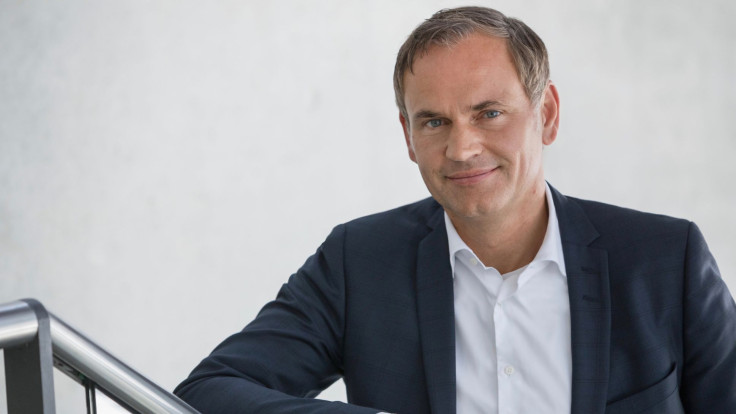
Volkswagen Group CEO Oliver Blume recently confirmed in an internal memo to the staff that the German automotive giant could downsize its global workforce by up to 100,000 jobs, which is double compared with earlier estimates.
The Volkswagen group, which is behind Porsche, Audi, and Skoda, had earlier stated it would trim its workforce by 50,000 jobs in Germany by 2030. The move comes after the company posted a steep decline in profits last year due to low sales and rising competition from Chinese brands growing their footprints across Europe. US sales also declined partly due to tariffs on car imports.
Blume had stated in the memo that the company's costs were 20% higher than rivals, and it must lower its outgoings even further.
'We are currently assessing across all brands, companies and regions how many adjustments are actually necessary and feasible,' he had stated in the memo. 'We need to become more efficient, more robust, and simpler. We must reduce our costs.'
Blume added that the company had been 'unable to confirm' alternative uses for four factories in Germany, which have previously faced threats of closure.
While Volkswagen's job cuts continue to dominate headlines, some industry analysts believe the number may represent a negotiating strategy rather than Volkswagen's final restructuring target.
Widespread Protests Continue at Volkswagen Sites
Last week, widespread protests took place at multiple Volkswagen sites across the country, ahead of a meeting of the group's supervisory board, which includes labour representatives and company managers.
However, industry analysts believe the job cuts are unlikely to become a reality. Some of them suggested to Agence France-Presse that Volkswagen deliberately floating a worst-case scenario before negotiations with labour unions is a common corporate strategy.
Volkswagen has followed similar negotiation patterns before. In H2 2024, following threats of mass strikes, Volkswagen reached an agreement with the German trade union IG Metall to trim 35,000 jobs at the Volkswagen brand by 2030, in a 'socially responsible manner,' with another 15,000 jobs to go at its other brands.
The latest development could hint at the beginning of another round of difficult negotiations rather than a finalised restructuring plan.
EV Transition Adds Pressure
Volkswagen has invested billions of euros into electrification, including dedicated electric vehicle platforms and battery production. However, Europe's electric vehicle market has expanded slower-than-expected, rendering multiple production facilities operating below capacity.

The company's factories in Zwickau and Emden, both focused on EV manufacturing, remain under scrutiny because of their relatively high operating costs. Facilities in Hanover and Neckarsulm are also being reviewed as management searches for ways to streamline production.
Volkswagen is also considering cutting its global model lineup by as much as 50% and reducing annual production capacity from around 12 million vehicles to 9 million vehicles. This could be an acknowledgment that global demand no longer supports its existing manufacturing footprint as management believes a leaner portfolio will reduce engineering complexity, lower development costs, and ramp up profitability.
Regardless of whether the final number after downsizing, analysts broadly agree that Volkswagen must lower costs to remain competitive. The current figure may prove to be an opening bid in negotiations, but Volkswagen is entering one of the biggest restructuring efforts in its history, with the outcome potentially influencing how Europe's automotive industry operates for years to come.
© Copyright IBTimes 2026. All rights reserved.