

Cornell 7 Lawsuit Update: Why Legal Expert Claims Accused Frat Members Would 'Probably Be Charged'
The New York attorney general's office is reviewing allegations made in a civil lawsuit after questions were raised about the original decision not to bring charges
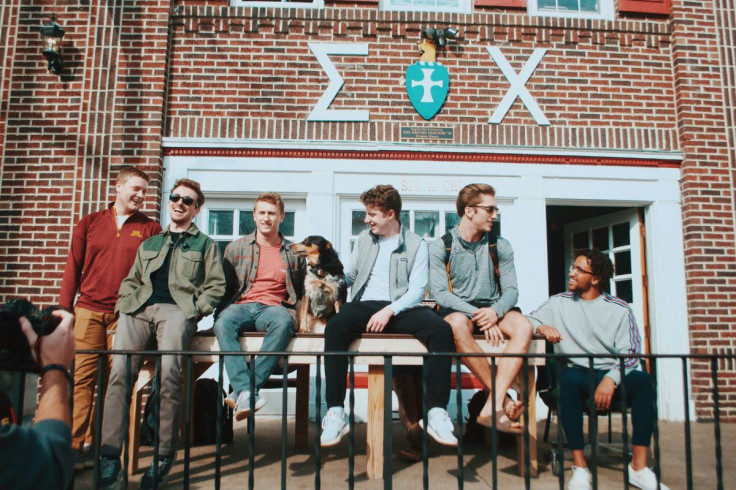
The civil lawsuit against seven former Cornell University Chi Phi fraternity members, known as the 'Cornell 7', has triggered a renewed criminal investigation and the appointment of a special prosecutor.
Legal expert Tre Lovell told US Weekly that some of the accused would 'probably be charged' if investigators substantiate the allegations made by Jane Doe, who says she was drugged and sexually assaulted over several hours at the fraternity house.
Jane Doe, the woman identified in court filings, alleges she was drugged and sexually assaulted over several hours at the fraternity house on the night of 19-20 October 2024. Her lawsuit, filed on 16 September 2026, names the seven men, Cornell University, the Chi Phi fraternity, her sorority and an Ithaca bar as defendants.
No criminal charges had been filed as of 12 October. New York Attorney General Letitia James is leading the investigation after Governor Kathy Hochul appointed the Office of the Attorney General as special prosecutor.
Why a Legal Expert Says Charges Are Possible
Lovell said charges were possible if investigators corroborated Doe's allegations. 'If they're corroborated and substantiated, then yes, they would probably be charged, at least some of them,' he said.
He cautioned that charges would not guarantee a conviction. 'Then at that point, whether or not they get convicted, that's a much, much different question,' he said.
Lovell said the civil complaint could help investigators identify witnesses and documents, but prosecutors must independently assess the evidence before deciding whether charges are justified.
What Jane Doe Alleges in the Lawsuit
According to the complaint, Doe consumed alcohol at her sorority house and an Ithaca bar before going to the Chi Phi house to meet Matthew Ingalls, one of the men she later accused.
The lawsuit alleges she was intoxicated and unable to consent to sexual activity that followed. It further alleges other fraternity members joined without her consent and that some pressured her to snort ketamine.
The complaint also refers to a message allegedly advertising Doe as available for sex and a Chi Phi Snapchat message alerting members that she was upstairs.
These remain allegations. Attorneys for two of the men have denied the accusations, according to CBS News. The civil case seeks compensatory and punitive damages and alleges negligence and other legal violations by Cornell and additional defendants.
Why the Criminal Investigation Was Reopened
Doe reported the incident to Cornell University Police in November 2024. The Tompkins County District Attorney's Office did not pursue criminal charges at the time.
District Attorney Matthew Van Houten said Doe's signed statement described her participation in drug use and sexual activity as 'voluntary, conscious and consensual'. He also cited New York law on sexual assault involving intoxication, which can restrict prosecution in some circumstances when a person voluntarily consumed alcohol or drugs.
That explanation came under scrutiny after CBS News obtained a transcript showing Doe telling campus police she was '100% confident' she had been raped. Van Houten said he had not seen the transcript when his office decided not to bring charges.
Cornell said its police department provided the district attorney's office with Doe's signed statement and a screenshot of Snapchat messages. The dispute over what material prosecutors had received became a central issue as the case drew renewed attention.
Van Houten announced on 28 September that he was reopening the investigation.
On 1 October, Hochul appointed the Office of the New York Attorney General as special prosecutor, saying newly released information raised serious questions about the initial investigation. James said her office would investigate 'fully and fairly' and follow the facts and the law.
What Happens Next in the Cornell 7 Case
Lovell said defendants in sexual-assault cases may argue that an encounter was consensual or that they were not present. He also said defendants could ask a court to pause the civil lawsuit while the criminal investigation proceeds. A judge would decide whether to grant such a request.
Gillio Lopes, one of the men named in the lawsuit, has filed a petition seeking to remove James as special prosecutor, arguing that a social-media post showed she had prejudged the allegations. The petition is an allegation, not a judicial finding.
The renewed investigation does not mean charges are inevitable. Prosecutors must assess the evidence before deciding whether to seek an indictment, while the civil lawsuit continues separately.
© Copyright IBTimes 2026. All rights reserved.