

How Did Cornell University Administrators Punish Fraternity Members Accused of Fall 2024 Sexual Assault?
Cornell imposed sanctions ranging from expulsion and suspension to probation, harassment training and reflection papers
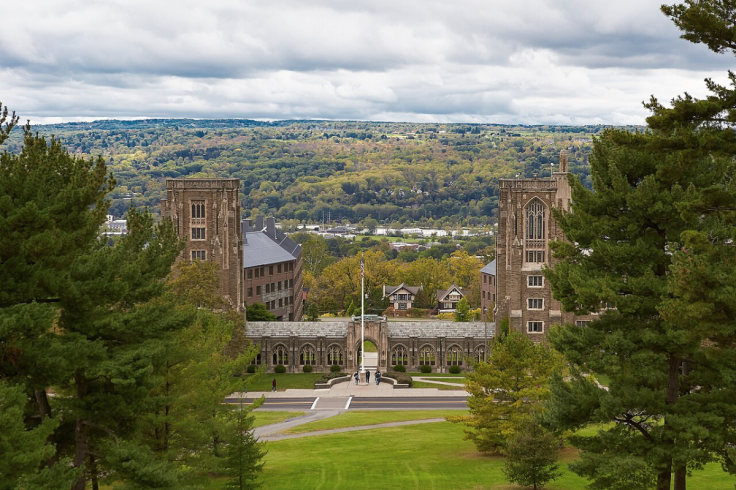
Cornell University is under renewed pressure over its disciplinary response to allegations that seven Chi Phi fraternity members sexually assaulted a student in October 2024. Records obtained by a leading news publication describe sanctions including expulsions, suspensions, a campus ban, no-contact orders and educational requirements.
The criminal investigation was reopened in September 2026 and is now led by New York Attorney General Letitia James. Students have demanded greater transparency and questioned whether Cornell's disciplinary response was adequate.
Records Reveal Different Findings and Sanctions
Disciplinary summaries obtained by The New York Times, and subsequently reported by The Cornell Daily Sun, show that Cornell's panel reached different findings for the seven men. Matthew Ingalls and Jonathan Newell were expelled after being found responsible for sexual assault under the university's disciplinary process.
Winston Lee received a two-year suspension, followed by several semesters of disciplinary probation after his return. Gillio Lopes received a three-semester suspension and two years of probation. Both were also given no-contact orders concerning Jane Doe and required to complete educational work on sexual harassment and reflection papers.
Diego Sarabia had graduated before the panel reached its decision. He received a three-year campus ban. The reported disciplinary account included an allegation that he forcibly kissed Doe.
Scott Norris and Scott Kretzschmar received no-contact orders, educational modules and reflection papers. Kretzschmar was reportedly found responsible for attempted sexual exploitation rather than sexual assault.
The records therefore describe more than reflection papers alone, but they do not establish that all seven men received the same findings or sanctions.
These were university disciplinary findings, not criminal convictions. All seven men are defendants in the civil lawsuit and have denied wrongdoing. The allegations in that lawsuit have not been proven in court.
What Jane Doe Alleges Happened at Chi Phi
The former student, identified in court documents as Jane Doe, alleges that she visited the Chi Phi house on 19 October 2024 after drinking and became severely incapacitated after being pressured to take ketamine.
Her lawsuit describes sexual activity that she says initially began consensually but later became non-consensual. She alleges that additional fraternity members entered the room and that several men sexually assaulted her.
Doe subsequently reported the allegations to Cornell police. The university's disciplinary investigation examined interviews, messages and other evidence, according to reporting on the case.
The criminal investigation followed a separate course. Tompkins County District Attorney Matthew Van Houten initially declined to bring charges but reopened the investigation in September 2026 following renewed scrutiny.
On 1 October, Governor Kathy Hochul appointed James as special prosecutor to take over the criminal investigation. Her appointment did not constitute a finding that any defendant had committed a crime.
Protesters Challenge Kotlikoff's Leadership
Over 1,000 students, faculty members and community supporters gathered at Cornell on Monday, 5 October, according to Reuters. Demonstrators demanded greater transparency, changes to the disciplinary system and stronger consequences, while some called for President Michael Kotlikoff to resign.
In a video message released on Saturday, 3 October, Kotlikoff described the alleged assault as 'deeply disturbing'. He pledged greater transparency and supported an independent review of Cornell's handling of the allegations, with further details to be announced by the Board of Trustees.
Cornell has rejected what it called a 'false narrative' that the case resulted in minimal consequences. The university says its disciplinary process led to sanctions including expulsions and suspensions, while maintaining that student privacy protections prevent it from publicly discussing individual records.
The independent review will examine Cornell's handling of the allegations, separately from the criminal investigation led by James. The review concerns the university's response; any criminal charges and questions of criminal liability remain matters for prosecutors and the courts.
© Copyright IBTimes 2026. All rights reserved.