

South Korean Court Jails Japanese Yakuza Member for 10 Years Over 636kg Marijuana Plot to Supply Gangs in Japan
Judges rejected an entrapment defence over a Thai marijuana shipment destined in part for Japanese gangs
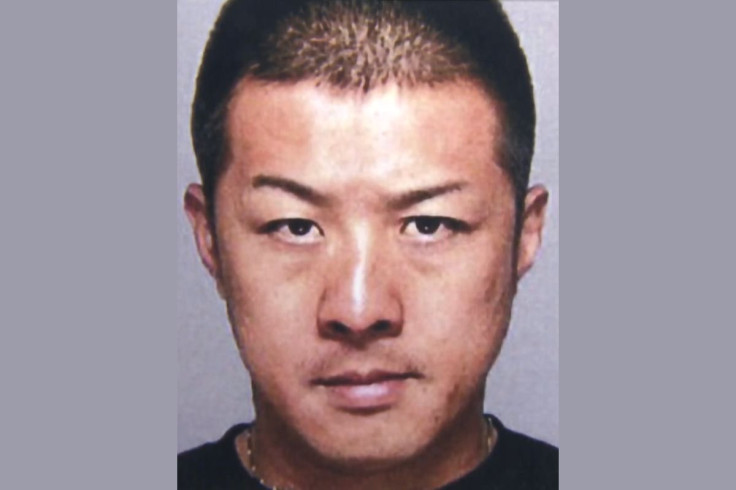
A South Korean court jailed a Japanese Yakuza member for 10 years on 8 October over a 636kg marijuana shipment intended partly for gangs in Japan, according to reports of the case.
The prosecution followed the arrival of a drug shipment from Thailand at Incheon Port on 23 March. South Korean authorities intercepted the marijuana, leading to the defendant's arrest and indictment over a plan involving a Vietnamese drug trafficking organisation.
Yakuza Cargo Intercepted After Thailand Departure
The defendant, 53, was identified in reporting citing FBS Fukuoka TV as Kim Jong-bok, an executive of a gang affiliated with the Kitakyushu-based Kudo-kai syndicate. The South Korean account describes him as being of Korean descent.
That report identifies the sentencing court as the 13th Criminal Division of Suwon District Court, presided over by Judge Jang Seok-jun. Kim faced proceedings under the Narcotics Control Act.
The shipment contained approximately 636kg (1,402lb) of marijuana loaded into a shipping container. It departed Laem Chabang Port in Thailand in early March before arriving in South Korea later that month.
According to the reported court account, Kim contacted members of the Vietnamese organisation through acquaintances. Those members arranged the local procurement and export of the marijuana, while part of the cargo was intended for onward transport to Yakuza organisations in Japan.
South Korean media estimated the seized quantity at roughly 1.27 million doses. The account citing FBS also described it as the largest marijuana smuggling case ever uncovered in South Korea.
Court Rejects Entrapment Defence in Yakuza Case
Kim's defence sought dismissal of the indictment, arguing that the investigation involved entrapment. His representatives claimed that a person identified as B, whom Kim met in prison, deliberately approached him to cooperate with investigators and induced the crime.
The court rejected that account.
'There is no evidence or circumstances suggesting that B intentionally approached the defendant and requested the import of narcotics,' the court stated.
It added, 'The local procurement and export of 636kg of marijuana were entirely carried out by the Vietnamese organization members, whom the defendant directly contacted through acquaintances.'
Those findings addressed the central dispute over how the operation originated. The judges attributed the procurement and export arrangements to the organisation Kim contacted through his own acquaintances.
Prior Conviction Weighs on Yakuza Sentence
The court referred to Kim as a former Yakuza member when discussing his criminal history, while the account citing FBS Fukuoka TV described him as an executive of an affiliated gang.
He had previously received a six-year prison sentence in 2016. That case concerned the storage of approximately 956g (2.1lb) of methamphetamine imported from China for re-export to Japan, as well as the importation of one pistol and 19 live rounds from Japan.
Prosecutors sought a 20-year term in the latest case. The court imposed 10 years after weighing his cooperation and the interception of the drugs against the repeated offending.
'The defendant's general cooperation with the investigation and the fact that the smuggled marijuana was immediately detected and did not circulate domestically are mitigating factors,' the court acknowledged.
'However, the defendant committed a serious crime for profit and, after serving a full sentence for a smuggling offense, committed a much larger-scale crime of the same nature, which is highly reprehensible,' the court stated.
The court also ordered confiscation of the seized drugs.
© Copyright IBTimes 2026. All rights reserved.