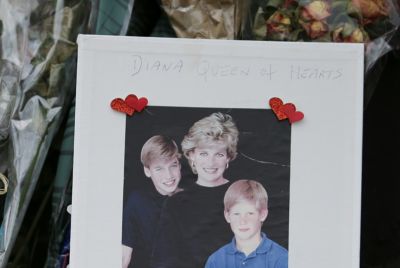
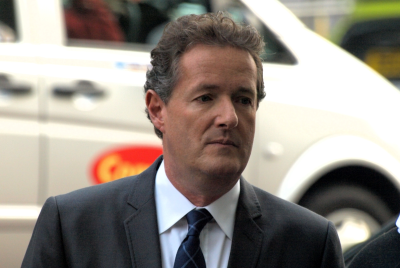
Former Royal Guard Questions Earl Spencer's Claim That King Charles Acted 'Like a Lottery Winner' Over Diana
Dai Davies said Balmoral appeared deeply saddened but acknowledged his observations could not establish what was said in Spencer's private calls with Charles
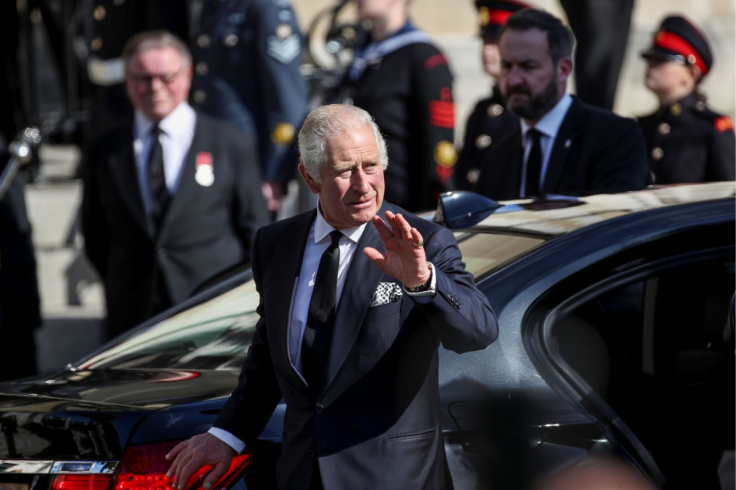
Former Metropolitan Police royal protection chief Dai Davies has disputed Earl Spencer's account of King Charles's reaction to Princess Diana's death, saying he saw no sign that members of the Royal Family at Balmoral were anything other than saddened.
Speaking to Julia Hartley-Brewer on TalkTV, Davies also questioned Spencer's recollection of private telephone conversations. Spencer claims the then Prince of Wales sounded 'giddily elated' after Diana's death and later told him, 'we'll forget her soon enough'.
Davies said much of the account was uncorroborated, while acknowledging that he did not know Charles particularly well.
King Charles's Reaction After Diana's Death
The comments came as Spencer's memoir, Swan Song: Diana, My Sister, was published in the UK on 22 September 2026. The book revisits Diana's marriage, her relationship with the Royal Family and the events surrounding her death in Paris on 31 August 1997.
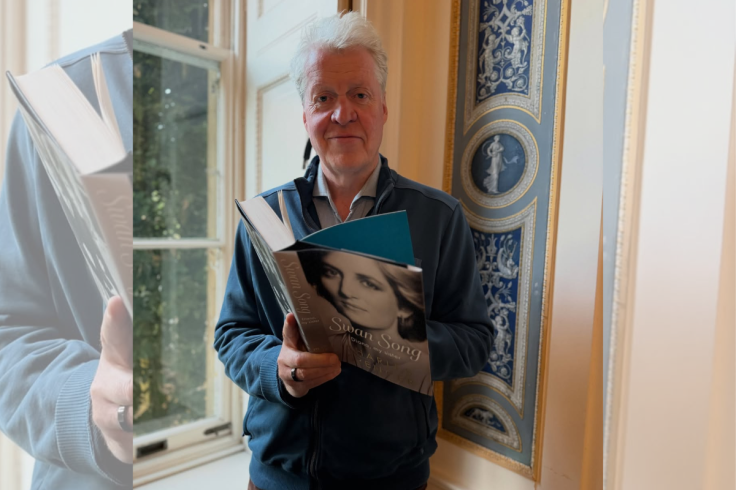
In one passage, Spencer recalls receiving a telephone call from Charles after Diana's death. He said the then Prince of Wales sounded markedly different from other people who contacted him.
'Unlike my other callers, who were stunned, barely able to articulate their condolences and offers of help, he sounded giddily elated, like a lottery winner, I remember thinking at the time,' Spencer wrote.
Spencer also described a later dispute about the funeral procession. He said Diana would not have wanted her sons, Princes William and Harry, to endure such intense public attention as they walked behind her coffin.
According to Spencer's account, Charles reacted angrily during a telephone conversation about the arrangements. He alleged that Charles told him, 'Rest assured, we'll forget her soon enough.'
Spencer repeated the claim publicly and said, 'I can tell you here and now, those are exactly the words he said.'
Buckingham Palace did not directly confirm or deny the alleged conversation. Instead, a spokesperson said the Royal Family did not comment on books as a matter of principle, before adding that the King was 'mindful that the pain of fraternal grief can cloud reason, affect judgement and colour memory in ways others do not recognise, even many years after such a loss'.
The Palace's statement did not provide an alternative account of the private conversation. It did, however, raise the possibility that grief could affect recollections of events many years later.
Davies said he went to Balmoral after Diana's death because of security concerns surrounding the funeral and the movements of senior members of the Royal Family. He had led the Metropolitan Police's Royal Protection Command between 1994 and 1998.
Asked whether he had seen any indication that Charles was elated, Davies replied, 'No is the simple answer.' He added, 'Not that I knew him very well. I had teams that protected him. They did know him very well.'
Davies said his colleagues at Balmoral described the period as deeply sad.
'There was no indication that anyone in the Royal Family who were up in Balmoral were anything other than saddened,' he said.
His account describes what he observed at Balmoral but does not establish what was said during Spencer's private telephone conversations with Charles.
Likewise, Spencer's recollection of those calls does not establish how Charles appeared to Davies or other protection personnel at Balmoral. The two accounts concern different aspects of events and do not independently resolve the dispute.
Davies Questions Spencer's Recollection
Davies also compared Spencer's account with Prince Harry's public disclosures about his family.
'It's a bit like Harry, really. There's Harry's truth, and then there's the real truth,' he told TalkTV.
He said he assessed witnesses by considering their history and background.
'When I look at a witness, when I look, and I'm investigating, as I did many hundreds of people over the years, I look at their antecedents. I look at their history,' Davies said.
In the same discussion, Davies referred to Spencer's public accounts of childhood abuse and residential treatment for trauma. Spencer has previously written about his experiences at boarding school and later discussed seeking residential treatment.
Those details should not be treated as independent evidence that Spencer's recollection is unreliable. They were raised by Davies as part of his own explanation of how he assesses witnesses, not as proof that the Earl's account is false.
Davies also questioned the value of including some of the memoir's more salacious claims decades after Diana's death.
'Thirty years on, to have such a vivid recollection. And in truth, does it matter? Does it matter?' he said. 'Are they really necessary?'
Royal journalist Richard Kay, a friend of Spencer, has defended the Earl's account. Davies said he respected Kay but disagreed with him.
Spencer stands by his version of events, while Buckingham Palace has pointed to the possibility that grief can affect memory. Davies, meanwhile, has disputed the suggestion that he saw evidence of elation among members of the Royal Family at Balmoral.
The private conversations themselves were not recorded publicly, leaving a disputed account that cannot be independently established from the evidence currently available.
© Copyright IBTimes 2026. All rights reserved.
- Recommended For You