'Editing My Friend WHITE?!': Indie Designer Accuses SHEIN of Whitewashing Black Model in Photo Theft Scandal
Jade runs Dulsè Clothing as an independent cut-and-sew brand, funding and producing her designs herself.

Fast-fashion giant SHEIN is facing fresh backlash after an independent designer accused the company of stealing a promotional photo from her Black-owned brand and altering it in a way she says crosses from copyright theft into racial erasure.
On 10 January 2026, designer Dulsè — real name Jade, who runs Dulsè Clothing — publicly alleged that SHEIN reused a photo from one of her campaigns, removed her brand's logo from shopping bags, and lightened the skin tone of one of the Black models so she appeared White.
The accusation quickly went viral on social media, drawing millions of views and renewed scrutiny of SHEIN's long-running reputation for exploiting independent creators.
The Photo at the Centre of the Controversy
The original image, created to promote Dulsè Clothing, shows two Black women walking hand in hand, each carrying shopping bags clearly marked with the brand's logo.
SHEIN not only taking MY BRAND’s photo and editing MY logo off the bags, but also editing my friend WHITE?! do not fuckin piss me off today bro pic.twitter.com/Z65PcgV88O
— Dulsè (@JadeDaGem) January 10, 2026
According to Jade, SHEIN used a nearly identical version of the photo as social media content, but edited out the logo and altered the darker-skinned model's complexion. The outfits, pose, and background remained largely unchanged.
In a follow-up video and replies on X, Jade described the edits as racist and deeply personal. 'SHEIN not only taking MY BRAND's photo and editing MY logo off the bags, but also editing my friend WHITE?!' she wrote, adding that the situation left her furious and stunned.
While the image had circulated online previously as a meme, Jade said that did not make the edits acceptable or harmless.
Viral Reaction and Designer Backlash
The post exploded across social media, amassing more than half a million likes, tens of thousands of reposts, and nearly 10 million views within days. Much of the outrage centred on the whitewashing allegation rather than the theft itself.
Users called the skin-tone alteration 'disturbing,' 'unnecessary,' and 'next-level disrespectful.' Others pointed out that the photo depicts a real person, not a stock image, intensifying concerns about consent and representation. Fashion creators and indie designers rallied behind Jade, urging people to support original brands instead of fast fashion.
Another designer, Destiney Bleu, advised Jade to file a DMCA takedown, citing her own experience dealing with fast-fashion theft over the past decade.
The Dulsè Brand
Jade runs Dulsè Clothing as an independent cut-and-sew brand, funding and producing her designs herself. She describes her work as bold and playful, and used the viral attention to promote her website with a discount code encouraging shoppers to 'pay the creator.'
A 21 hour day in the life of a self-employed fashion designer 🪡💪🏽 pic.twitter.com/VpI22PRiEs
— Dulsè (@JadeDaGem) November 30, 2022
She acknowledged that legal action could be complicated, particularly because the image had already circulated online, but said she was exploring her options. As of 13 January, no lawsuit has been filed.
SHEIN's Silence and a Familiar Pattern
SHEIN has not publicly responded to Jade's allegation, nor confirmed whether the image has been removed.
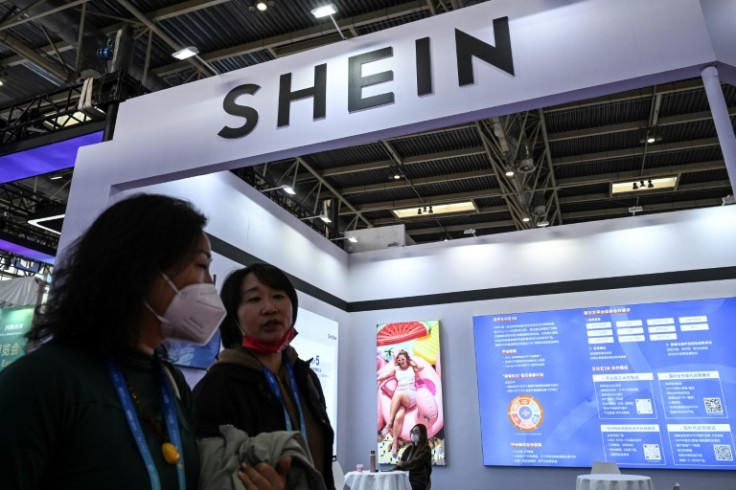
Moreover, the company has a long history of being accused by small designers of lifting photos, designs, and concepts without credit or compensation. While direct accusations of whitewashing are less common, the incident fits in the larger pattern of racial insensitivity and disregard for Black creators.
Past disputes involving SHEIN have included lawsuits over systematic design theft, accusations from multiple Black designers, and repeated controversies that ended with quiet removals rather than admissions of fault.
What sets this incident apart is the allegation that a real person's appearance was altered, more than just a garment or a design repurposed.
© Copyright IBTimes 2025. All rights reserved.
- Recommended For You