What Are Flock Cameras? Inside the ALPR Network Sparking a Viral TikTok and Instagram DeFlock Backlash
Flock cameras face growing scrutiny as DeFlock activists target ALPR surveillance across the US
A little-known network of cameras is at the centre of a growing US surveillance row, with viral TikTok and Instagram posts drawing the attention of law enforcement ahead of a nationwide protest campaign.
The technology behind the controversy is known as Flock cameras, and government intelligence bulletins show just how closely authorities are now watching the backlash.
What Are Flock Cameras and How Do They Work?
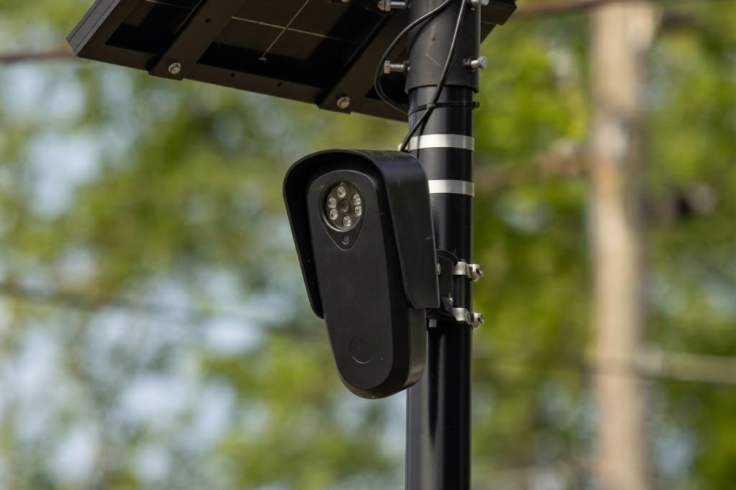
Flock cameras are automated licence plate reader (ALPR) systems designed to capture images of vehicles and read their number plates. The technology records information about vehicle sightings, including when and where a vehicle was detected, allowing authorised users to search the data during investigations.
Flock Safety has deployed its technology across communities in the US, where police departments use ALPR cameras as an investigative tool. The technology has also prompted concerns over privacy and data retention, as well as how vehicle-location information can be accessed and shared.
The debate has intensified as the number of Flock cameras has grown. The Guardian reported in July that it had identified at least 33 incidents in which Flock cameras were damaged, vandalised or destroyed across 23 states.
DeFlock Movement Targets ALPR Surveillance
The growing opposition has helped propel DeFlock, an open-source project that maps automated licence plate readers and makes surveillance infrastructure easier for the public to identify.
DeFlock is preparing a National Week of Action Against ALPRs from 16 to 22 August, with participating communities planning public meetings, town halls, educational events and other activities focused on automated licence plate surveillance.
Its campaign materials say the events are intended to build public awareness and encourage local officials to reconsider ALPR contracts.
The movement has gained visibility through social media, including TikTok and Instagram, as criticism of Flock cameras spreads beyond local community meetings and into wider online discussions.
Police Monitor TikTok and Instagram Accounts
Government intelligence bulletins obtained by 404 Media show that law enforcement agencies have been tracking online activity surrounding Flock cameras and DeFlock.
A Colorado intelligence bulletin specifically highlighted an Instagram account posting videos about disabling Flock cameras.
Another bulletin circulated through the Wisconsin Statewide Intelligence Center and Northeast Florida Fusion Center warned of 'extensive and ongoing chatter' on Facebook and TikTok concerning ways to interfere with or physically destroy ALPR equipment.
The documents also warn police about upcoming DeFlock events and recommend heightened awareness around locations where Flock cameras are installed.
The warnings have circulated among multiple fusion centres and law enforcement agencies, showing that the online backlash has become a matter of broader official interest.
Flock Camera Vandalism Adds to Controversy
The government warnings come amid a series of incidents involving damaged or destroyed Flock equipment.
The Guardian identified at least 33 incidents across 23 states by late July, while recent law enforcement bulletins have warned that online calls for vandalism could lead to further attacks on ALPR cameras and associated equipment.
However, DeFlock founder Will Freeman has disputed the suggestion that his organisation encourages vandalism. According to 404 Media, Freeman said DeFlock has focused on mapping surveillance infrastructure and encouraging civic engagement, and that some accounts using the DeFlock name are not authorised by the project.
DeFlock Campaign Focuses on Public Awareness
DeFlock's official Week of Action materials call for local events designed to educate communities about ALPRs and encourage residents to engage with elected officials. The project also promotes activities such as community scavenger hunts to help residents identify and document surveillance cameras.
Flock Safety, meanwhile, has condemned vandalism against its equipment, saying attacks on public safety technology are illegal and can put communities at risk.
With the DeFlock Week of Action beginning on 16 August, the dispute over Flock cameras is now playing out across government intelligence networks, local communities and the viral social media posts that helped bring the technology into the national spotlight.
© Copyright IBTimes 2026. All rights reserved.
- Recommended For You