

Man Called Out for Using Smart Glasses During Interview Without Woman's Consent, Then Claims He Is the Victim
The rise of smart glasses raises pressing questions about privacy and consent in public interactions.
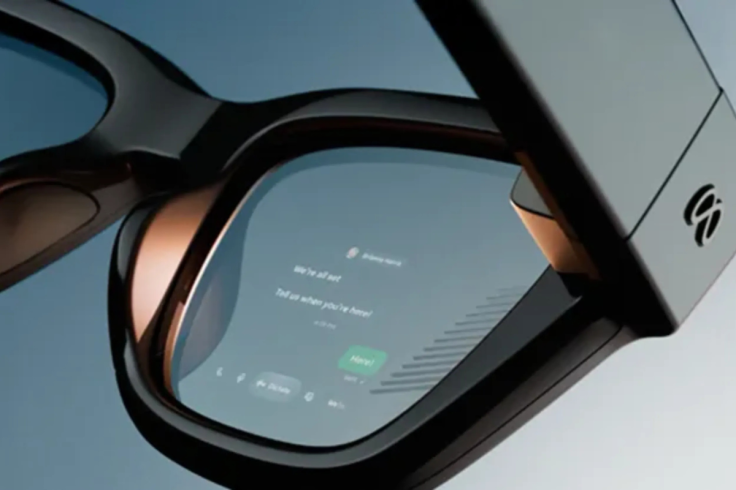
A man has sparked a heated online debate after appearing to use smart glasses to record a woman during an interview without making it clear whether she had consented to being filmed. The incident, which was shared widely on social media, shows the man wearing a pair of shades while approaching a woman and asking her a question about dating.
The encounter quickly took an unexpected turn when another man passing by began chanting 'camera! camera!', apparently drawing attention to the glasses the interviewer was wearing, which appeared to resemble Meta's smart glasses. When confronted, the man appeared caught off guard and struggled to directly answer whether he was wearing the device.
The situation became more uncomfortable when the passer-by asked him, 'Are you peeping?' The woman then walked away from the interaction.
The incident has since fuelled a wider debate over the use of smart glasses, particularly because the devices can discreetly record video from the wearer's point of view. While the technology has become increasingly popular among content creators and influencers, critics have raised concerns about privacy and consent, questioning whether people being filmed are always aware that they could be appearing in recorded footage.
Man Accused of Turning the Situation Around
What made the latest incident particularly contentious was the man's apparent response after being challenged over the recording.
Rather than simply addressing the concern about whether the woman had agreed to being filmed, he appeared to frame himself as the person being subjected to harassment. That reaction fuelled further criticism online, with viewers arguing that the central issue was the woman's right to know whether she was being recorded.
The passerby, hailed a hero by some online users and goes by the handle 'Unpolluted Beach' on Facebook and Instagram, told the guy pointblank: 'That's a camera right? Go to the other street bro, out of respect to the other locals and the community, do your videos in a public place.'
The controversy has become less about the glasses themselves and more about accountability. Critics argue that someone who chooses to record an interaction has a responsibility to be transparent about it, particularly when another person could potentially be identifiable in the resulting footage.
Smart Glasses Raise New Questions About Consent
Unlike conventional cameras or smartphones, smart glasses can make recording considerably less obvious to people nearby. That has become a particular concern as creators increasingly use wearable technology to produce first-person videos.
The issue is not simply whether someone is technically standing in a public place. Critics argue that there is an important distinction between being incidentally captured in the background and being deliberately recorded during a direct interaction, particularly when the footage is subsequently used to create online content.
Recent social-media discussions have highlighted a growing trend involving people, including young men, using Meta Ray-Ban smart glasses while interacting with women. Social media user Ask Aubry has previously criticised the use of the technology in situations where women may not realise they are being recorded.
Why Wearable Cameras Are Becoming Controversial
Smart glasses have created a new privacy dilemma because they blur the line between ordinary conversation and recorded content.
A person wearing a conventional camera may make their intentions obvious, while smart glasses can look almost indistinguishable from ordinary eyewear. That means someone can potentially be recorded without immediately noticing.
The technology is not inherently controversial. Smart glasses can be used for accessibility, hands-free communication, photography and legitimate content creation. The concern arises when creators use them to capture strangers without meaningful awareness or consent.
© Copyright IBTimes 2026. All rights reserved.