Greenland Shark Mystery Deepens as Scientists Admit Ancient Ocean Creature Could Be 500 Years Old
New research finds signs of biological ageing in the exceptionally long-lived shark
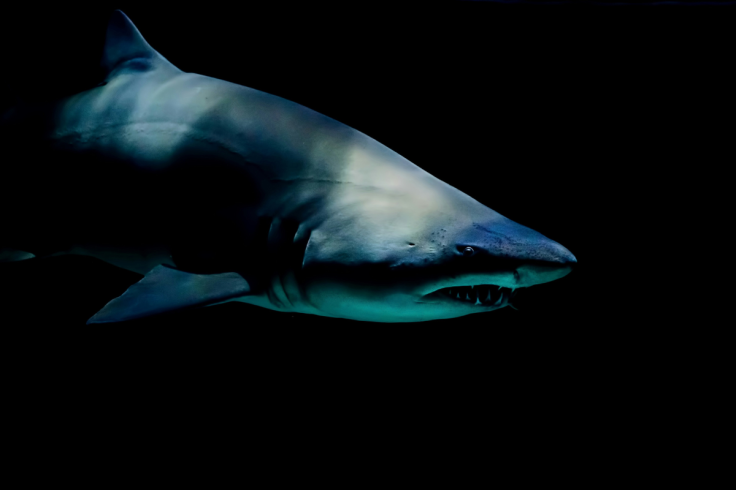
A Greenland shark may live for centuries, but scientists still cannot establish the species' maximum lifespan. One landmark study estimated the oldest shark examined at 392 years, with a 120-year margin of uncertainty that put the upper estimate at 512 years.
The extraordinary lifespan of the Greenland shark, Somniosus microcephalus, emerged from a landmark 2016 study published in Science. Researchers used radiocarbon dating on the eye lenses of 28 female sharks to estimate their ages.
The largest shark, measuring 5.02 metres (16.5 feet), was estimated to be 392 years old, with an uncertainty range of 120 years. That produced a possible age range of 272 to 512 years.
The researchers did not establish that the individual was definitely 512 years old. The figure represented the upper end of the statistical estimate, making '500 years old' a possibility rather than a confirmed age.
The finding made the Greenland shark the longest-lived vertebrate known to science.
Scientists Still Cannot Determine Their Exact Age
Dating Greenland sharks is unusually difficult because they lack the hard structures that allow scientists to count growth rings in many other shark species.
Instead, researchers examined nuclei in the sharks' eye lenses. These structures form around birth and preserve material that can be analysed using radiocarbon dating.
But the technique does not provide an exact age. A 2025 Canadian assessment notes that the existing age estimates have not been independently validated, while uncertainty surrounding radiocarbon levels in the deep ocean adds to the difficulty of establishing precise birth dates.
That leaves scientists with strong evidence for extraordinary longevity, but no precise maximum lifespan for the species.
New Research Deepens Shark Ageing Mystery
Research published in Aging Cell in 2026 has added another piece to the puzzle. Scientists examining Greenland shark hearts found several biological signs associated with ageing, including fibrosis, oxidative stress, damaged mitochondria and accumulated lipofuscin.
The findings show that Greenland sharks can experience biological changes associated with ageing despite their exceptional longevity.
Researchers are now investigating how the species may tolerate or manage some of the cellular and tissue changes that occur over time.
Greenland Shark DNA Offers Another Longevity Clue
A separate 2026 study published in PNAS produced a chromosome-level Greenland shark genome, giving researchers another way to investigate its exceptional lifespan.
The researchers identified genetic features associated with processes including DNA repair, immune function and cancer resistance. These findings provide potential clues to the species' longevity, but they do not establish a single genetic explanation for its ability to live for centuries.
The Shark Takes More Than a Century To Mature
Greenland sharks grow at about 1cm or less per year and are estimated to reach sexual maturity at around 156 years.
Their wide-ranging habitat across Arctic and North Atlantic waters, including deep ocean environments, also makes the species difficult to study directly.
Scientists still lack firm information about aspects of Greenland shark reproduction, including reproductive potential, gestation and pupping grounds. Those gaps add to the mystery surrounding an animal whose life can potentially span several human lifetimes.
For now, the evidence supports a carefully qualified claim: Greenland sharks can live for several centuries, with one major estimate allowing for an individual reaching roughly 500 years old. The exact upper limit of their lifespan remains unresolved.
© Copyright IBTimes 2026. All rights reserved.
- Recommended For You