

Fusing Eastern and Western Sports Medicine With Dr Xu He
A New Era in Sports Medicine: Bridging Traditional and Modern Techniques
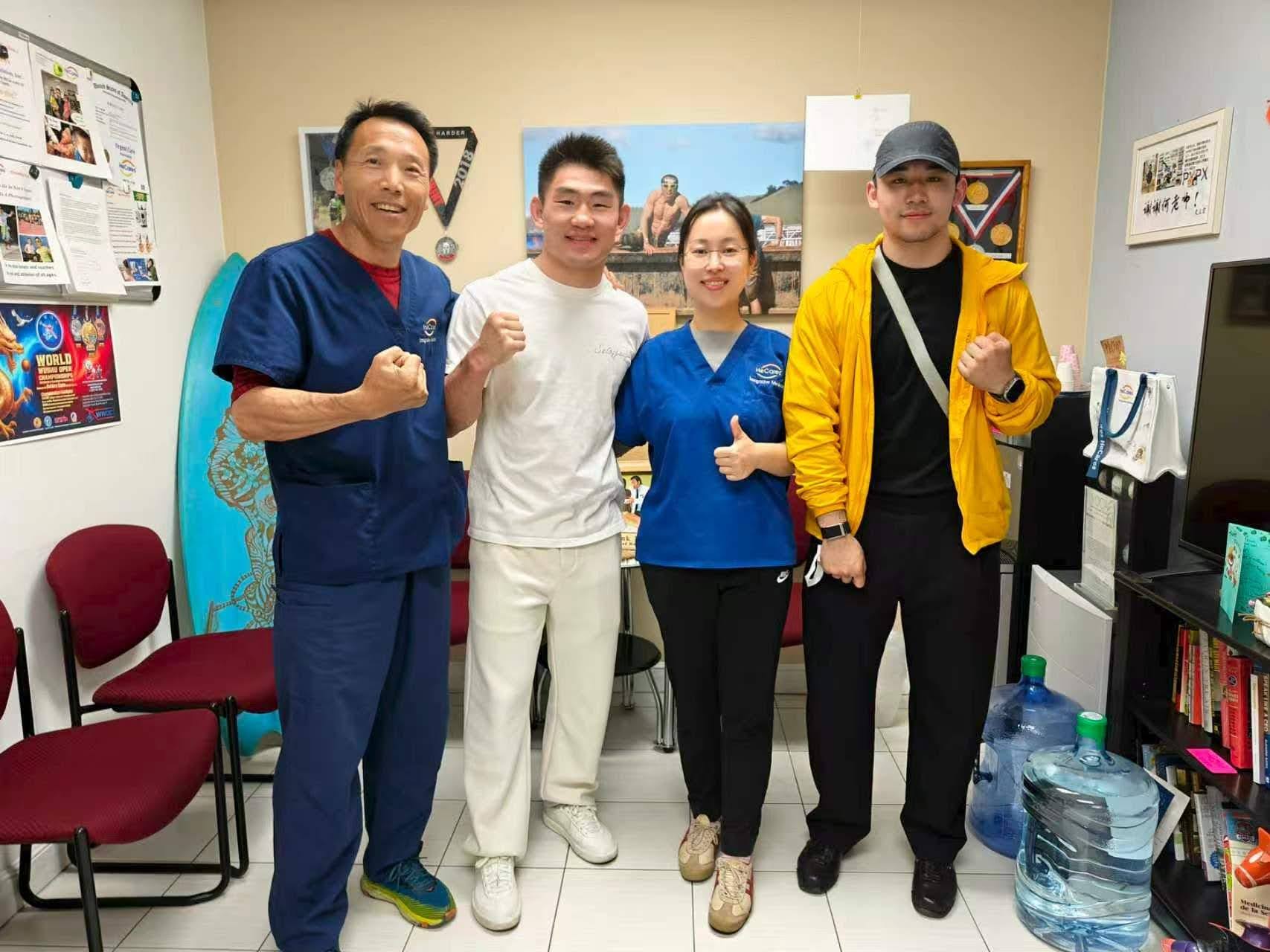
The global sports medicine industry is undergoing a significant operational shift as elite organisations increasingly integrate traditional Eastern modalities with modern biomechanical science. Professional athletes face unprecedented physical demands, requiring medical interventions that address both immediate structural damage and long-term functional stability.
Dr Xu He, a licensed acupuncturist who served as a team physician for the Chinese National Figure Skating Team during the Beijing 2022 Winter Olympics, exemplifies this clinical transition.
She provided extensive medical support for national competitors throughout the Paris 2024 Olympic cycle, bridging the gap between historical treatment methods and contemporary sports science. Integrating these distinct medical philosophies is intended to help practitioners to target the underlying mechanical failures that frequently cause chronic athletic injuries.
Conventional Western diagnostics isolate tissue damage with extreme precision, while Eastern methodologies prioritise full-body movement patterns and continuous metabolic recovery. By synthesising these systems into a unified clinical framework, sports medicine professionals may support rehabilitation timelines while potentially lowering the risk of recurring injuries.
Dr He believes this objective, data-driven approach could shape new baseline standards for athletic healthcare across international competitive platforms.
Origins of Integrative Practices
Modern sports medicine requires addressing structural deficiencies alongside cellular tissue repair to ensure long-term athletic viability at the highest levels of competition.
To execute this dual approach, practitioners often complete rigorous clinical intensives to deeply understand functional anatomy and injury mechanisms before applying traditional orthopaedic techniques. Dr He explains, 'An athlete's injury is never just tissue damage — it is a breakdown in movement patterns.'
By merging these diverse methodologies, clinicians can simultaneously treat the localised site of pain and the underlying mechanical failure driving the primary injury.
Dr He notes that 'Western assessment tools locate the mechanical root of the problem; Eastern therapies restore tissue and function; and individualised training completes the return to sport.'
This comprehensive methodology builds upon nearly 20 years of clinical and research experience in treating complex musculoskeletal issues for professional athletes.
Clinical Decisions Under Pressure
The highly compressed timelines of elite global competitions demand strict prioritisation and rapid intervention from all medical support staff.
Managing complex non-surgical interventions, such as those for posterior inguinal wall weakness and conjoint tendon damage, requires balancing immediate pain relief with critical biomechanical stability. Dr He observes, 'The question is no longer 'how do we cure this?' but 'can this athlete compete safely — and in what condition?''
Medical decisions in these high-stakes environments rely heavily on transparent, objective communication with performance teams and coaching staff to protect the competitor.
Dr He emphasises, 'There is an absolute necessity of rapid assessment, strict prioritisation, minimal effective intervention — combined with efficient communication with coaches and performance staff.' Due to the inherent volatility of these clinical scenarios, specialised practitioners are often required to possess a minimum of three years of experience working directly with athletic populations.
Biomechanics and Targeted Acupuncture
Conventional approaches to pain management are evolving to include rigorous functional movement assessments and connective tissue mapping to better understand whole-body mechanics.
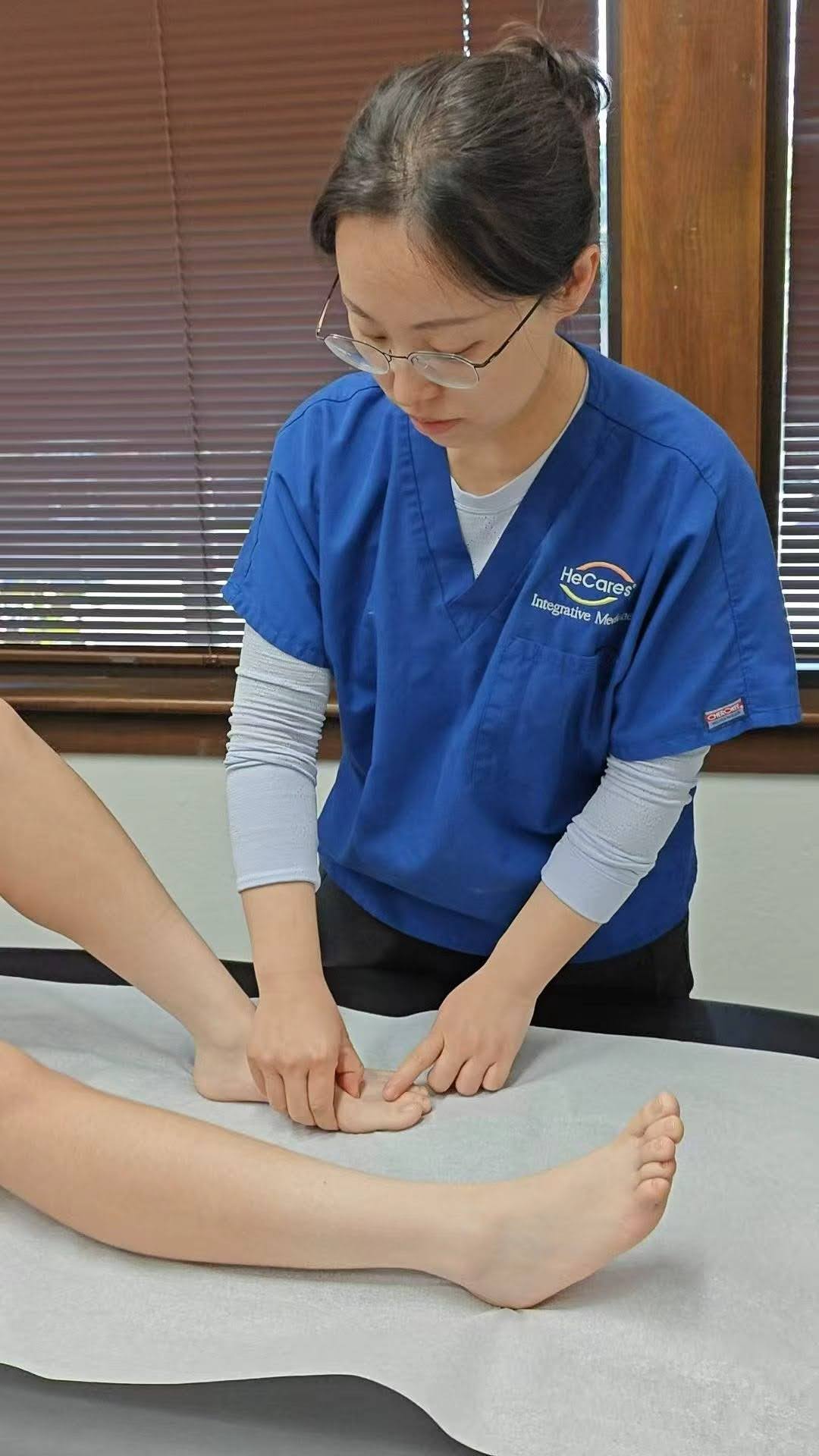
Extensive anatomical evaluations provide strong empirical evidence for the existence of myofascial pathways that directly influence structural balance across the entire kinetic chain. Dr He argues that practitioners must ask, 'What is the mechanical driver behind this pain?'
Treating associated muscle groups alongside the localised injury accelerates the restoration of normal movement patterns in highly competitive athletes. Practitioners map interventions using structured frameworks like Vladimir Janda's functional neurology to correct neuromuscular imbalances and stabilise critical joints.
Through this analytical lens, Dr He states, 'Acupuncture is transformed from an empirical method of pain relief into a targeted therapeutic process that is assessable, verifiable, and repeatable.'
Managing Severe Athletic Injuries
High ankle sprains present significant clinical challenges for athletes entirely dependent on precise weight distribution, proprioception, and explosive balance.
Modern rehabilitation protocols increasingly incorporate remote myofascial release applied to connected tissue chains to demonstrate real-time force transmission and improve muscular flexibility. When treating an elite skater, Dr He recalls deciding, 'We would not stop her. We would keep her skating, under protection.'
Interventions included deep-water aquatic training, strategic joint taping, and targeted therapies to control swelling while maintaining vital muscle memory. Dr He determines, 'Insufficient hip control was feeding abnormal stress into her ankle. So, from day one, we treated her entire kinetic chain — not just her ankle.'
This systemic focus mirrors advanced clinical case studies where integrative peripheral nerve release facilitates rapid, pain-free returns to high-intensity sprinting.
Constitution-Based Rehabilitation Protocols
Tailoring rehabilitation programs to individual physiological profiles yields superior medical outcomes compared to utilising generic, standardised treatment frameworks.
Certain traditional modalities have been shown to restore endocrine balance by increasing serum testosterone and boosting steroidogenic proteins in exercise-fatigued subjects. Dr He points out, 'Standardised protocols protect the floor; individualisation raises the ceiling.'
Adjusting recovery loads based on metabolic rates and inflammatory tendencies ensures that clinical interventions precisely match the body's specific healing capacity. Dr He explains, 'An athlete with a damp-heat constitution shows a more pronounced inflammatory response, which calls for a different management strategy altogether.'
Customised systemic strategies offer a potentially compliant alternative to pharmacological treatments banned by international anti-doping organisations.
Earning Cross-Cultural Medical Trust
Integrating alternative modalities into conventional athletic training programs requires delivering objective, measurable, and repeatable physical results to skeptics.
In highly regulated environments like the United States, obtaining authorisation to practice acupuncture frequently requires professionals to complete an accredited program exceeding 1,900 hours of training.
Dr He asserts, 'I never ask anyone to believe in Traditional Chinese Medicine. I ask them to look at the results — whether change can be measured and reproduced.'
Demonstrating immediate improvements in joint range of motion and pain reduction quickly establishes clinical credibility across multidisciplinary coaching staff. Dr He clarifies, 'Acupuncture and manual therapy are not there to replace imaging, surgical decision-making, or systematic strength training.'
Objective physiological metrics also provide preliminary support for these integrative interventions. For example, acupuncture at specific points such as ST36 (Zusanli) and PC6 (Neiguan) may modulate exercise-related physiological indicators, including maximal oxygen consumption, maximal heart rate, and blood lactate, while showing potential to support recovery from post-exercise fatigue.
Extending Elite Athletic Careers
Addressing degenerative physical conditions is absolutely critical for maintaining long-term athletic viability beyond a single competitive season or tournament. Protocols such as breath therapy for patients with chronic nonspecific low back pain provide evidence-based, non-invasive options for mitigating accumulated biomechanical stress.
Dr He notes, 'An acute injury decides whether an athlete competes this season. Chronic problems decide how many years are left in the career.'
Modifying load distribution and actively regulating tissue inflammation allows professional athletes to train intensely without worsening existing physical deficits.
In pain management, distal acupoint selection may also reduce direct stimulation of symptomatic areas and serve as a complement to local treatment through mechanisms such as pain modulation, particularly during the acute phase or in athletes with heightened local tissue sensitivity.
Dr He views the entire rehabilitation lifecycle as an educational process, aiming at 'turning rehabilitation from something done to them into a capacity they own.'
The Global Sports Medicine Standard
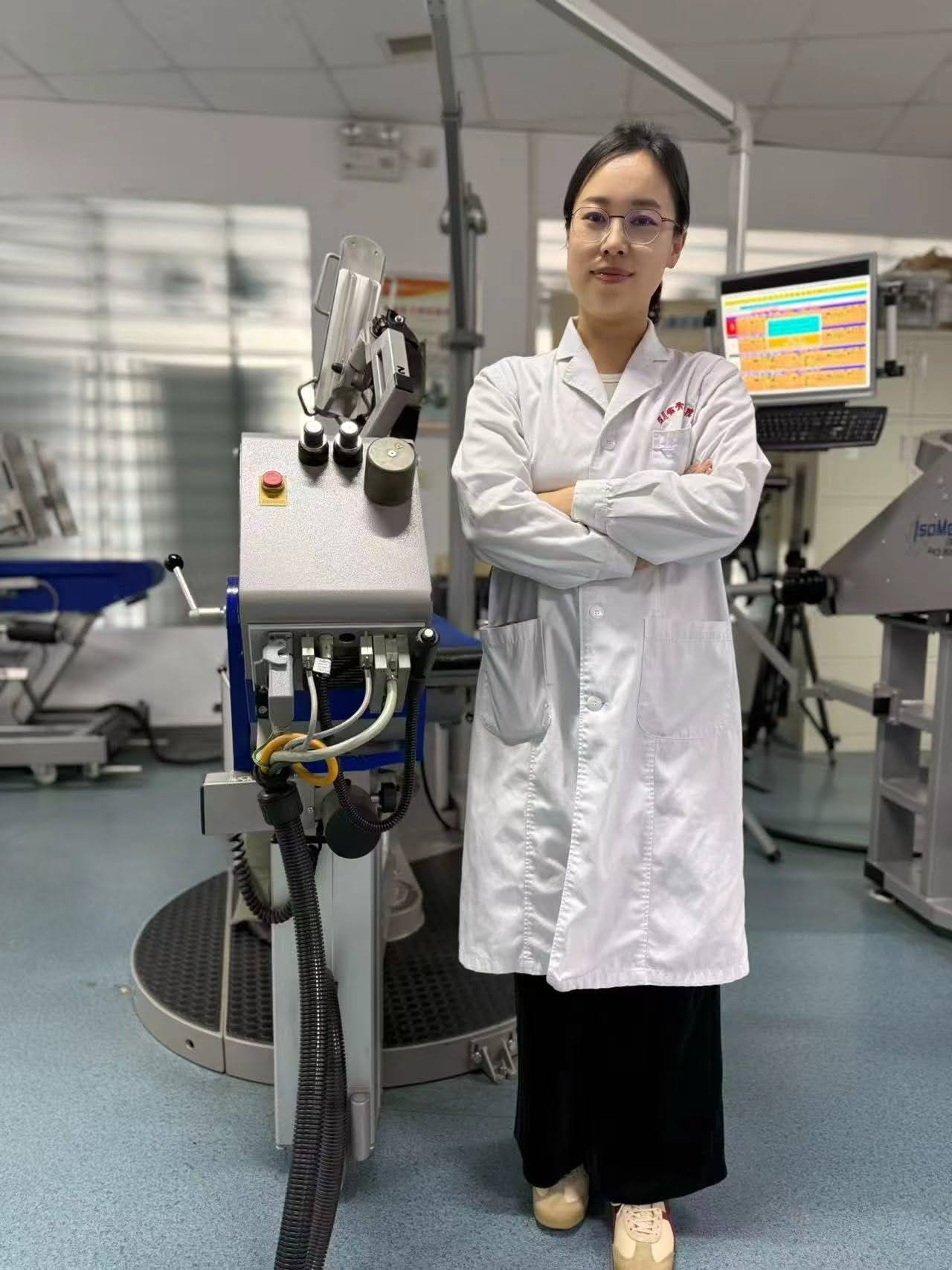
The global landscape of sports medicine is steadily moving toward fully integrated, multidisciplinary care models across all professional leagues.
International regulatory frameworks increasingly recommend thousands of basic training hours for traditional practitioners, highlighting a broader push for rigorous clinical standardisation. Dr He envisions a future in which 'integration should become the default in sports medicine, not the alternative.'
Establishing reproducible clinical systems ensures that elite athletes receive consistent, high-quality medical care regardless of their geographic location. While practices are currently regulated at the state level in many regions, unified international standards could dramatically streamline cross-cultural medical collaboration.
Dr He predicts, 'When East and West no longer need to persuade each other — when they simply collaborate — this blueprint will be the new international standard of care.'
The deliberate convergence of Eastern medical traditions and Western biomechanical science marks a significant, permanent evolution in elite athletic healthcare. By prioritising rigorous structural assessment and highly individualised physiological intervention, multidisciplinary care models offer sustainable solutions for performance optimisation.
As global clinical standards continue to align, this integrated medical approach establishes a robust, evidence-based framework for managing complex sports injuries.
© Copyright IBTimes 2026. All rights reserved.