

I'm Keeping an Eye on Ramin': Iranian Protester's Final Promise to Dead Cousin Before Execution
Alizera Raisi promised to look after his dead cousin during a final call before his execution in Iran
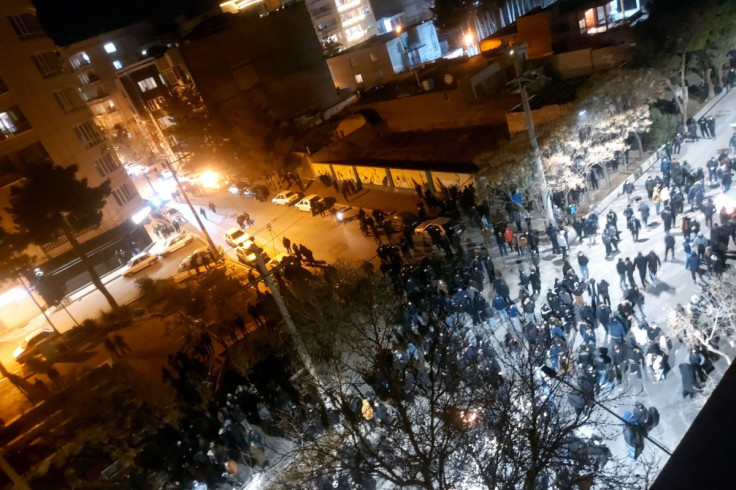
Alizera Raisi, a 21-year-old Iranian protester, made a heartbreaking final promise to his father during a phone call from death row before he was executed by the Islamic Republic. He promised to look after his cousin, Ramin, who had already been killed during the protests that led to his own imprisonment.
Raisi was hanged at dawn on 5 October 2026 at Isfahan Central Prison, alongside fellow protester Alireza Sepahi, 25.
The recording of the conversation has drawn attention to Iran's crackdown on January's anti-government protests, with rights groups raising concerns over the trials and executions of those accused of dissent.
A Last Conversation Marked By Grief
The final call captured the immense pain of a father left helpless by the authorities before his son was executed. Raisi's father could be heard saying, 'Forgive me! Forgive me, there is nothing I can do for you.'
Rather than expressing fear, the condemned protester focused on easing his father's pain, telling him, 'Dad, I'm proud of you in every way.' As the call neared its end, Raisi made a final promise to take care of his cousin, Ramin, who was reportedly killed after being shot during demonstrations in Isfahan.
Mass Trials and Allegations
Sepahi gained international attention after marrying his imprisoned fiancée over a jail phone line hours before being led to the gallows. His bride, 22-year-old student activist Mahshad Keshani, was already serving a five-year sentence for her involvement in the anti-regime movement.
Raisi and Sepahi were part of a group of 12 defendants prosecuted under the 'Alikhani Square case, following the nationwide anti-government demonstrations on 8 January. State agencies accused the individuals of armed rebellion, 'moharebeh,' which translates to 'enmity against God,' and the killing of four security personnel.
Human rights organizations have condemned the proceedings, and groups like Iran Human Rights have labelled the judicial processes a sham. These groups report that confessions were systematically extracted from the defendants under severe torture.
Tehran's Campaign of State Executions
The deaths of Raisi and Sepahi underscore a highly alarming spike in capital punishment in Iran over the last year. Human rights groups claim that the Iranian regime is exploiting regional geopolitical conflict to accelerate its systematic elimination of political dissidents.
The Independent International Fact-finding Mission on Iran stated that executions in connection with the protests constitute crimes against humanity. UN Special Rapporteur Mai Sato also raised concerns about fair trial standards in this case, claiming that Sepahi's mother was apparently tortured in front of him.
According to ongoing case reviews and Iran International, Tehran has executed nearly two people a week in political and security cases since the start of the January protests. Independent tallies suggest that more than 30 executions have been linked to the recent protest movement, with more than an additional 100 detainees still facing death sentences.
For Raisi's family, the consequences extend beyond death. His relatives were not even told the precise location of this burial, and his father was transported blindfolded to the site.
Raisi's final words have since become part of the wider theme of families grieving persons killed during the protests and by the authorities.
© Copyright IBTimes 2026. All rights reserved.