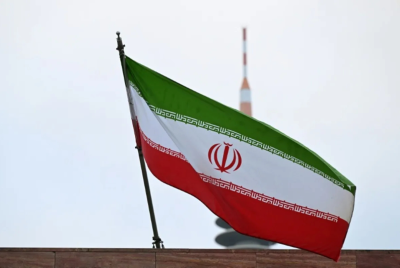
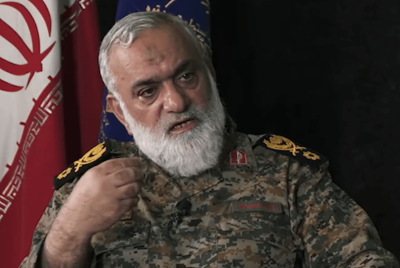
'48 Hours To Reverse It': Basra Leader Threatens Airport Disruption Over Iraq's Suspension of Iran Flights
Protesters gathered outside Najaf airport as Baghdad sought a US exemption
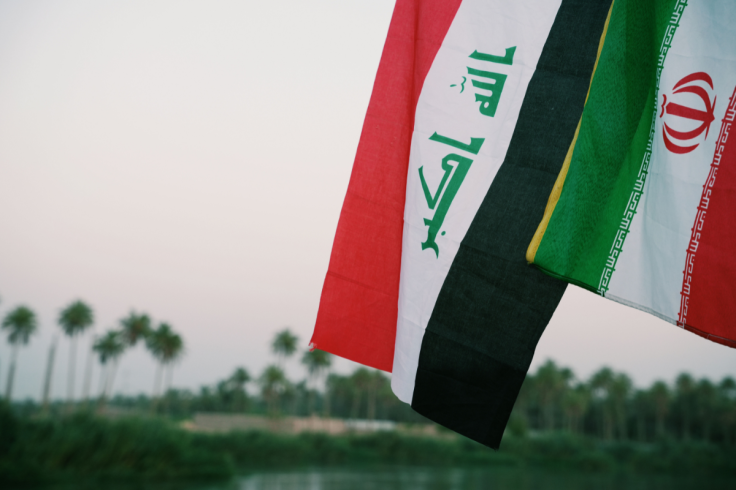
A 48-hour ultimatum from Basra lawmakers over Iraq's suspension of Iranian flights intensified pressure on Baghdad, as protesters threatened airport disruption and gathered outside Najaf International Airport while the government negotiated with Washington for an exemption.
The deadline expired on 28 September without the Iranian flight suspension being fully reversed. Instead, Baghdad secured a limited US exemption allowing Iraqi Airways to resume flights to Iran from Najaf in October.
Basra Lawmakers Give Baghdad 48 Hours
On 26 September, Faleh Khazali, head of the Al-Muntaserun parliamentary bloc, gave Iraq's federal government 48 hours to address the suspension of Iranian flights.
Khazali said lawmakers would collect signatures to summon Prime Minister Ali al-Zaidi, Transport Minister Wahab al-Hosni and the head of Iraq's Civil Aviation Authority if the matter remained unresolved.
Khazali also claimed the suspension was affecting about 50 flights a day, causing roughly $242 million (£183 million) in annual losses from airport ground services and affecting around 120,000 Iraqi postgraduate students in Iran. Those figures were claims by Khazali and were not independently verified.
The pressure extended beyond Basra, with Parliament's first deputy speaker Adnan Faihan Al-Dulaimi also criticising the implementation of the restrictions and warning lawmakers could hold an extraordinary session.
Airport Disruption Threat Escalates Pressure
The parliamentary ultimatum was followed by separate calls for direct action at Iraqi airports.
During a protest in Basra on 26 September, cleric Hamid al-Halfi threatened that demonstrators would prevent aircraft from landing if the suspension was not reversed. Separately, Harakat al-Nujaba called for a sit-in at Najaf International Airport and urged tribal leaders, pilgrimage service groups and airport and airline workers to participate.
The airport threat was not attributed to Khazali himself.
As the 48-hour deadline approached on 28 September, protesters gathered outside Najaf International Airport. However, available reports did not indicate that demonstrators actually prevented aircraft from landing or shut down the airport.
US Sanctions Put Iran Flights on Hold
The dispute began after US measures targeting Iran's aviation sector entered a new phase on 23 September, when a wind-down period for certain transactions expired. The measures had targeted 27 Iranian airlines.
The restrictions prompted Baghdad, Najaf, Erbil and Sulaimaniyah airports to halt flights to and from Iran.
Najaf is particularly significant because of its role in religious travel between Iran and Iraq. The suspension therefore affected more than ordinary commercial air links, with Baghdad seeking exemptions for medical, educational and religious travel as well as other civilian needs.
Iraq's government entered negotiations with Washington as concerns grew over the impact of the restrictions and the potential exposure of Iraqi aviation operators to US sanctions.
Baghdad Seeks Exemption as Deadline Expires
The 48-hour deadline expired on 28 September without a full restoration of Iranian airline services. Instead, Baghdad continued negotiations with Washington as pressure mounted around Najaf airport.
The US was preparing a limited waiver for Iraqi Airways to operate between Iran and Najaf, with proposed safeguards including passenger screening and information-sharing intended to address concerns over sanctioned individuals, weapons and illicit funds.
The timing placed Najaf at the centre of both the diplomatic negotiations and the street protests surrounding the flight suspension.
Iraqi Airways Gets Limited Iran Flight Exemption
On 29 September, Iraqi Airways secured a special US exemption and said it planned to resume Iran flights in October, initially from Najaf, after completing regulatory and technical requirements.
The arrangement does not amount to a full reversal of the suspension. The exemption is limited to Iraqi Airways and does not restore Iranian airlines' access to Iraqi airports.
For Baghdad, the deal provides a restricted route for Iran-Iraq air travel while the broader restrictions remain in place.
© Copyright IBTimes 2026. All rights reserved.
- Recommended For You