

Jeffrey Epstein Revelation: Shamed Millionaire Admits Criminal Status In Newly Surfaced Footage
In a chilling newly released interview, Jeffrey Epstein confronts his criminal legacy while insisting his wealth remains untainted by his crimes.

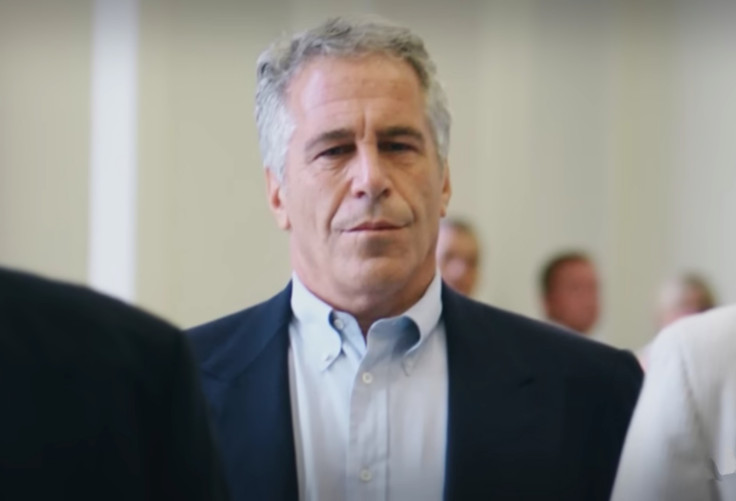
Jeffrey Epstein, a man whose very name has become shorthand for systemic corruption, is seen attempting to negotiate his own morality.
The footage, released on 30 January 2026 as part of a colossal three-million-page document dump by the US Department of Justice, captures the late financier in an extended, sit-down exchange that feels both chillingly candid and masterfully evasive.
The interview, which lay buried for years within government archives, reveals a man who viewed his vast wealth as a shield against ethical scrutiny. When pressed on the origins of his fortune and asked bluntly, 'Is your money dirty money?', Epstein remains unblinking. 'No, it's not,' he responds with a flat, matter-of-fact tone.
When the interviewer demands to know why he is so certain, his answer is as simple as it is arrogant: 'Because I earned it.'
A Mirror For The Devil: The Moral Reckoning Of Jeffrey Epstein
Throughout the recording, Epstein attempts to pivot the conversation toward his charitable contributions, specifically citing funds he claimed to have donated toward eradicating polio in Pakistan and India. It is a classic tactical maneuver, using philanthropy to offset the weight of his crimes.
However, the interviewer refuses to let the narrative slide, posing a hypothetical question about whether parents in extreme poverty would accept aid if they knew it came from a convicted sex offender.
Epstein's response is a bleak indictment of his view on human nature: 'I would say everyone said, 'I want the money for my children.''
The dialogue takes an even more unsettling turn when the subject of his character is raised. In a moment of startling imagery, the interviewer asks, 'Do you think you're the devil himself?' Epstein's reply is both cryptic and telling.
'No,' he says, pausing slightly, 'but I do have a good mirror.' When pressed further on why the comparison was even made, he eventually admits, 'The devil scares me.' It is a rare moment where the billionaire appears to acknowledge a shadow larger than his own influence.
The Lowest Tier: Redefining A Criminal Status
Perhaps the most legally significant portion of the footage involves Epstein's own description of his criminal standing. When confronted with his status and asked, 'What are you, a class three sexual predator?', Epstein is quick to correct the record, though not in the way one might expect. 'Tier one,' he clarifies.
While the interviewer asks if 'tier one' is the 'highest and worst' category, Epstein pushes back, insisting he is at the 'lowest' level of risk. Under the US legal framework, a Tier 1 offender is generally considered at a lower risk of reoffending, meaning law enforcement is notified, but public community notification is often limited.
When the interviewer finally strips away the legal jargon and asks, 'But a criminal?', Epstein offers a single-word confirmation: 'Yes.'
This footage is merely the tip of a much larger iceberg. The 2026 DOJ release, mandated by the Epstein Files Transparency Act, includes over 2,000 videos and 180,000 images, providing the most comprehensive look to date at the financier's life after his 2008 conviction.
As experts and victims' advocates sift through the millions of pages, these recordings serve as a haunting reminder of a man who believed that complexity was a valid substitute for conscience.
© Copyright IBTimes 2026. All rights reserved.