

DOJ Epstein Files Letter Names Presidents and Celebrities — Rep. Khanna Says It 'Muddies the Waters'
Lawmakers criticize the DOJ for lack of clarity in Epstein files release

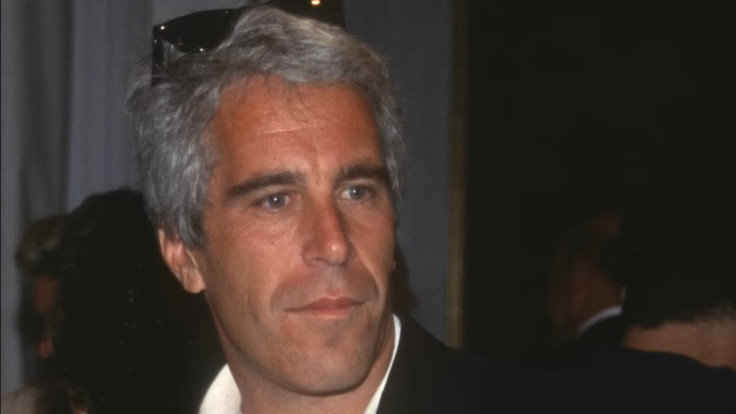
The Department of Justice (DoJ) recently sent a letter to Congress that identifies a long list of world leaders and famous figures mentioned in the millions of pages of Jeffrey Epstein's records. While the document names several high-profile individuals, it fails to explain the nature of their connection to the disgraced financier, sparking immediate backlash from lawmakers.
Representative Ro Khanna has criticised the move, saying the lack of context only confuses the public and hides the truth about who was actually involved in illegal acts.
A Directory of Influential Figures
The Justice Department handed over a record of high-profile individuals to Congress on Saturday, following an analysis of millions of documents from the Jeffrey Epstein investigation.
Obtained by CNN, the six-page document identifies numerous high-profile individuals in the records but does not clarify their actual relationship or level of contact with Epstein. This letter, sent to the leadership of the House and Senate Judiciary Committees, was signed by Deputy Attorney General Todd Blanche and lists these names regardless of why they appear in the files.
SCOOP: The Department of Justice has sent over a letter to Congress outlining why it made redactions to the Epstein files.
— Aaron Parnas (@AaronParnas) February 15, 2026
The six-page letter also includes a list of all "government officials and politically exposed persons" in the files. pic.twitter.com/aRCmS2p1Bg
The Justice Department produced this record because of the Epstein Files Transparency Act, a piece of legislation recently passed by Congress. Following the passage of the Epstein Files Transparency Act, Congress forced the Justice Department to generate this record.
While some individuals on the list had established relationships with the convicted sex offender, others have no known history of personal contact with him. The document mentions various presidents, prominent business figures, and government officials, along with late icons such as Princess Diana, Michael Jackson, and Elvis Presley.
Familiar Names and Lack of Charges
The records also identify several individuals with previously reported connections to Epstein, including Donald Trump, Bill Clinton, and Steve Bannon, as well as Kathy Ruemmler and Les Wexner. Aside from Epstein himself and his associate, Ghislaine Maxwell, none of the individuals mentioned in the files has faced charges related to Epstein's illegal activities.
The Justice Department sent a letter to Congress on Saturday that included a list of names of “politically exposed persons” mentioned in the files of convicted sex offender Jeffrey Epstein.@AliRogin has more. pic.twitter.com/REHm5KbXNU
— PBS News (@NewsHour) February 16, 2026
The document sent to Congress also lists several high-profile individuals for the first time, though some were mentioned only in media reports and appear to have no direct link or communication with Epstein. 'Names appear in the files released under the Act in a wide variety of contexts,' the DOJ letter explains.
The letter notes that while some had 'extensive direct email contact' with Epstein or Maxwell, others are only cited in documents, such as press clippings, that appear 'unrelated to the Epstein and Maxwell matters.'
Lawmakers Push Back on DOJ Tactics
Representative Ro Khanna, who helped write the legislation that triggered the release, argued that the Justice Department is 'purposefully muddying the waters' regarding who was an actual predator versus those simply mentioned in an email. He expressed concern that issuing a list of over 300 names without distinction obscures the truth.
The DOJ is once again purposefully muddying the waters on who was a predator and who was mentioned in an email.
— Ro Khanna (@RoKhanna) February 15, 2026
To have Janis Joplin, who died when Epstein was 17, in the same list as Larry Nassar, who went to prison for the sexual abuse of hundreds of young women and child… https://t.co/kM0toLsitd
Republican Representative Nancy Mace, an outspoken advocate for the survivors of Epstein's crimes, criticised the Justice Department on social media on Saturday night. In her post, she questioned the completeness of the records, suggesting that there are 'missing names on the list disclosed this evening.'
Disputes Over Redactions and Secrecy
In line with its earlier correspondence with Congress, the Justice Department cited several reasons for withholding certain details in the files. These justifications for redacting information exceed the requirements of the law and include documents related to internal deliberations, work products, and legally protected attorney-client communications.
Ever since the records were made public, the Justice Department has faced intense backlash from Epstein's victims and members of Congress. This criticism centres on the agency's inconsistent approach to redacting names and specific details across the vast body of evidence.
After reviewing unredacted versions of the records, several members of Congress claimed the Justice Department was shielding influential men, prompting them to reveal additional names hidden in the files.
© Copyright IBTimes 2026. All rights reserved.