

Labor Day 2026 Date: When Is the Federal Holiday and Why Do Americans Celebrate It?
Exploring the historical significance and modern observance of Labour Day
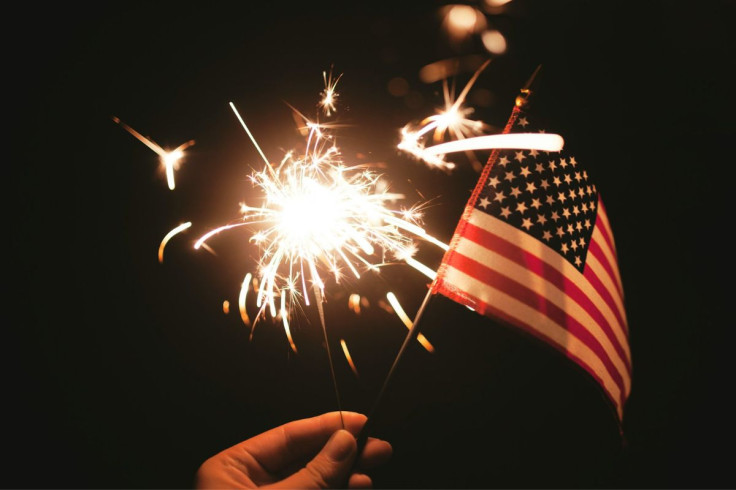
Millions of workers across the United States will secure a hard-earned, three-day weekend when the Labour Day 2026 date falls on Monday, 7 September. Serving as a cultural marker for the American workforce, the annual observance officially begins its extended break on Saturday, 5 September, before culminating in the nationwide federal holiday on Monday. While it now triggers a mass exodus for final summer holidays, it fundamentally remains a tribute to the historic achievements of the country's labour movement.
For context, the public holiday is always observed on the first Monday of September, meaning its specific calendar slot changes annually. Originally conceived in the late 19th century, the holiday was forged out of sheer necessity during a period of massive industrial expansion.
Workers were aggressively campaigning for better wages, shorter workdays, and drastically safer environments. Millions of individuals faced gruelling hours and desperately grim conditions, particularly within unregulated factories and sweeping industrial workplaces. The relentless push for baseline human dignity laid the groundwork for the modern weekend.
History Behind the Labour Day 2026 Date
The history underpinning the event is considerably more intense than the modern narrative of casual parades and backyard picnics. The first official Labour Day celebration was deliberately held on 5 September 1882 in New York City.
Organised by the Central Labour Union, the inaugural event featured a massive street parade directly acknowledging workers and showcasing the rapidly expanding labour movement to the wider public.
A second iteration followed exactly a year later on 5 September 1883, cementing the occasion as a recurring, highly visible tradition. The concept gradually caught on, bleeding into other parts of the sprawling country as workers demanded systemic change.
According to official records from the US Department of Labour, 31 states had already officially recognised the observance before Congress was forced to act on a national level. These early municipal and state celebrations did the heavy lifting, establishing the occasion as a vital annual tradition honouring the sheer graft of American workers.
Why Americans Celebrate This Federal Holiday
Labour Day formally became a federal holiday in 1894. On 28 June of that year, President Grover Cleveland signed the defining legislation that permanently anchored the first Monday in September as a national public holiday. Yet, this landmark recognition was pushed through during a wild and volatile period of labour unrest in the United States.
The observance eventually became a legally codified way to explicitly recognise the immensely important role workers played in the country's rapid economic growth and structural development. It stands as an annual reminder of the foundational role workers have played in shaping the United States into a modern superpower.
The federal recognition arrived exactly when societal tensions between exploited workers, corporate entities, and the government were reaching a dangerous, unprecedented boiling point.
The Pullman Strike and American Labour History
The specific timing of the legislation was remarkably significant because the Pullman Strike, a deeply controversial and highly disruptive railroad labour dispute, was actively tearing through the nation in 1894.
Workers employed at the Pullman Palace Car Company had decisively walked out to furiously protest severe wage cuts and dismal working conditions that they simply could no longer tolerate.
This initially local dispute rapidly escalated, spreading across the entire national railway industry and ultimately forcing the heavy-handed intervention of federal authorities. The Pullman Strike starkly demonstrated the deeply entrenched, serious tensions of the era.
The indisputable fact that the federal holiday was born right as the strike was aggressively unfolding remains an inescapable, complex part of the occasion's enduring legacy.
Federal Holiday Closures And Weekend Activities
Today, Labour Day operates as a recognised federal holiday across the United States. Federal government offices generally close for the day, and federal employees typically receive the holiday off under applicable federal rules. However, the modern American economy does not completely grind to a halt for everyone.
Restaurants, retail stores, hospitals, hotels, and transport services often remain entirely operational, deeply dependent on their individual schedules and the soaring consumer demand of the long weekend.
For many Americans, the long weekend represents the unofficial end of summer. The three-day weekend is often the final major break before strict autumn routines officially begin. Families frequently use the holiday to take short trips, host massive barbecues, or enthusiastically enjoy varied outdoor activities.
Although summer officially continues until much later in September, Labour Day traditionally signals an abrupt, culturally accepted transition toward the autumn season.
© Copyright IBTimes 2026. All rights reserved.