

Zuckerberg's Meta Settles Child-Safety Lawsuits for Up to $16.7 Billion With Daily Limits and Nighttime Blocks
Meta agrees to pay billions and add new teen safety rules on social apps
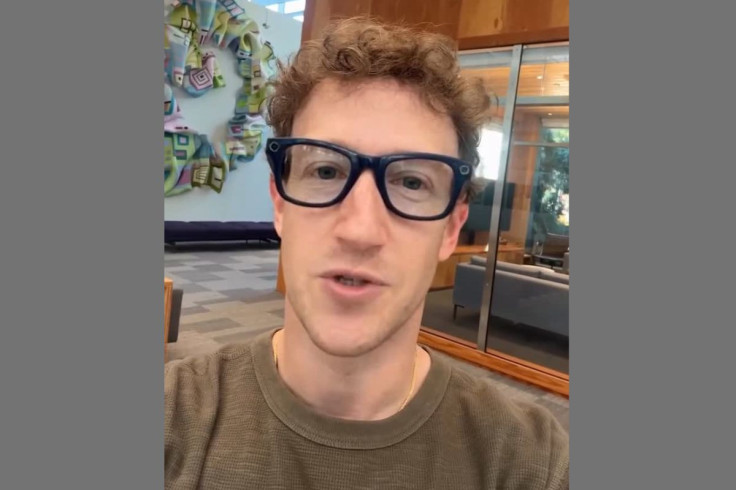
Meta has agreed to pay up to $16.7 billion (£12.3 billion) to settle child-safety lawsuits from dozens of US states, accepting default daily time limits and night-time blocks for teenagers on Instagram and Facebook.
The pact, announced on Wednesday as a federal trial in Oakland entered its second week, resolves claims the company designed the apps to addict children, misled families about safety and collected data from under-13s.
Daily Limits and Night-Time Blocks for Teen Accounts
Teenagers aged 13 to 17 will face a default two-hour daily limit that applies cumulatively across Instagram and Facebook. Only a parent can turn the cap off.
Time on multiple accounts counts toward the total, though direct messages and certain long-form content are excluded. Night-time blocks will prevent access from midnight to 6 a.m. unless a parent lifts the restriction.
Push notifications will be silenced from 8 a.m. to 3 p.m. on weekdays during the school year. Users will see prompts after every 15 minutes of continuous scrolling and again when daily use reaches 60 and 90 minutes, measures the states call productive pauses.
Meta must also improve age-assurance systems so they more reliably detect users under 18 and children under 13, hide like counts on young people's posts by default, ban extreme beauty and cosmetic-surgery filters for minors, and give teens the option of a chronological rather than algorithmic feed.
An independent auditor with wide access will oversee compliance for years to come.
How the Landmark Child-Safety Settlement Payment Works
A guaranteed $12.7 billion (£9.3 billion) will be paid in annual instalments over a decade.
An extra contingent amount, taking the total to the maximum headline figure, is triggered only if TikTok, YouTube and Snapchat implement similar time limits, night modes and age checks and themselves contribute comparable sums.
The deal covers 47 states, Washington DC, Puerto Rico, American Samoa and the Northern Mariana Islands. Texas reached a separate arrangement.
Several attorneys general said the money will support children's mental-health services and digital-safety programmes.
The proposed consent judgement still requires approval from Judge Yvonne Gonzalez Rogers in the Northern District of California.
Trial testimony from Instagram head Adam Mosseri had already begun when the sides settled this week.
Rivals Urged To Adopt Matching Child Protections
CJ Mahoney, Meta's chief legal officer, said 'the framework we've negotiated will empower parents to easily manage how their children access our platforms'.
California attorney general Rob Bonta said the deal 'will make social media less dangerous for our kids'.
Meta publicly pressed YouTube and TikTok to adopt the same default limits, arguing the new standard works only if the rest of the industry follows. Those companies, along with Snap, still face thousands of related lawsuits alleging they too designed addictive features that fuelled a youth mental-health crisis.
Most of Meta's new restrictions must stay in place for at least five years and can tighten further, including a one-hour daily cap and a longer night block, if the rivals sign comparable terms. Florida declined to join the main package, calling a smaller offer inadequate.
Private lawsuits and other state actions against social media firms continue, even as the Meta child-safety settlement of 26 August 2026 sets the tightest default usage rules yet imposed on a major platform.
© Copyright IBTimes 2026. All rights reserved.