

The $40 Billion AI Boom Reaching Main Street: How Data Centres Are Fueling a New Wave of Small-Business Winners
Local businesses thrive amid Meta's massive investment in Richland Parish's AI data centre
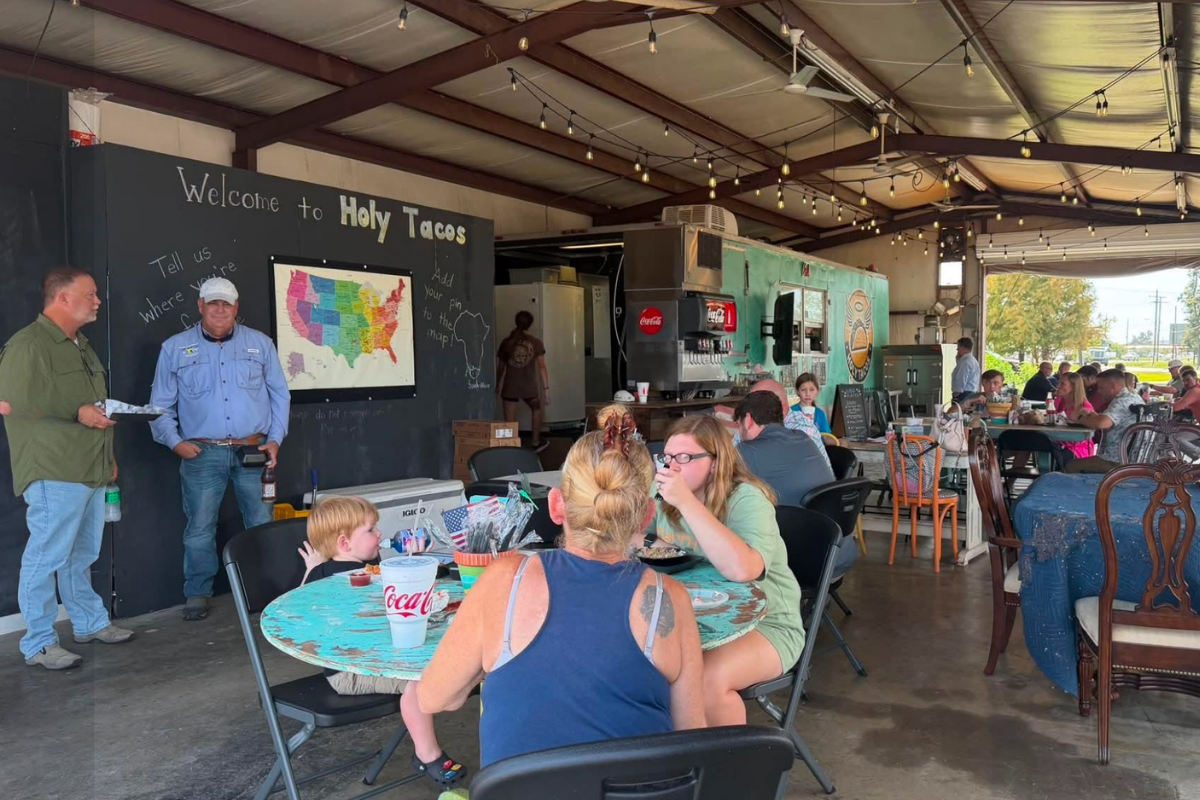
Tim and Lindsey Allen were preparing more than 1,600 tacos for construction workers building Meta's Hyperion data centre in Richland Parish, Louisiana. The couple, parents of five, had once joked about opening a taco business.
They launched Holy Tacos after Meta announced it was coming to the rural parish, and now cater to the thousands of workers building what the company describes as the largest artificial intelligence data centre in its fleet.
Their business is one example of the local economic activity tied to Meta's expanding investment in the site. On 13 July, Meta said it would spend an additional $40 billion (£29.6 billion) to enlarge the Hyperion campus, taking the project's cost beyond $50 billion (£37 billion). Meta's total expected investment in the site could exceed $250 billion (£185 billion) once advanced AI chips are included.
Richland Parish has a population of about 20,000. Meta said it has awarded more than $1.6 billion (£1.18 billion) in contracts to Louisiana companies since construction began in December 2024.
How a Rayville Taco Joint Thrived During Meta's Data Centre Boom
The Allens initially planned to run a taco truck at the construction site. After learning the vehicle would not be permitted on the grounds, Tim Allen, a children's pastor at First Baptist Church in Rayville, rented a building and moved the truck inside to serve what he described as 'food worth praising'. The business later secured recurring catering work with Mortenson, one of the project's three main contractors.
'We started Holy Tacos because Meta was coming to town,' the Allens said.
Other local businesses have reported growth. Scott Holmes, owner of the charter firm Mayo Tours, said the company had operated for 29 years and that its fleet had grown from 40 coaches to 102. He said drivers working at the Meta site were earning more than $80,000 (£59,000) a year in a region where median income is about $42,000 (£31,000).
TJ and Kaycie Weed said their coffee business had grown from one location serving about 40 customers a day to three, with a fourth due to open in the autumn.
In nearby Monroe, cleaning contractor ServiceMaster Action Cleaning has doubled its workforce, and Copeland Electric reported a hiring increase of about 40 per cent.
What Meta's $40 Billion AI Expansion Means for Local Firms
Meta said peak construction is expected to support 7,500 jobs, with about 1,000 permanent roles once Hyperion is operating across five gigawatts of computing power. The company said it would invest more than $1 billion (£739 million) in local infrastructure, including roads, water, and wastewater systems.
Meta also said it pays the full cost of the energy and water the site uses so that residents do not bear the expense. It said an agreement with Entergy Louisiana is expected to save customers more than $2 billion (£1.48 billion) over 20 years.
Not Everyone on Main Street Is Cashing In
Not all residents have benefited. Much of the material, machinery, and catering for the site is supplied by out-of-state contractors from Texas and Arkansas, and the chips used in the data centre are manufactured overseas.
Two food-truck parks near the main entrances charge $1,500 to $2,500 (£1,110 to £1,850) a month for a space, fees that some smaller vendors said they could not afford.
Amber Perez, a local independent journalist and community activist who has followed the project, told Fortune that the businesses profiting were not always the most qualified.
'It's not a fair game,' she said, adding that many residents believed the main beneficiaries were those with political and economic connections.
Meta's spending forms part of a wider expansion by technology companies.
Analysts project that firms building AI infrastructure will spend between $630 billion (£466 billion) and $700 billion (£517 billion) in 2026, with total data-centre investment forecast to reach $5.2 trillion (£3.84 trillion) by 2030.
© Copyright IBTimes 2026. All rights reserved.