

'If Debt Was a Person I Would Slap It': Money Expert's Warning to Anyone Struggling With Bills
Debt can leave less for emergencies and retirement, making careful planning essential

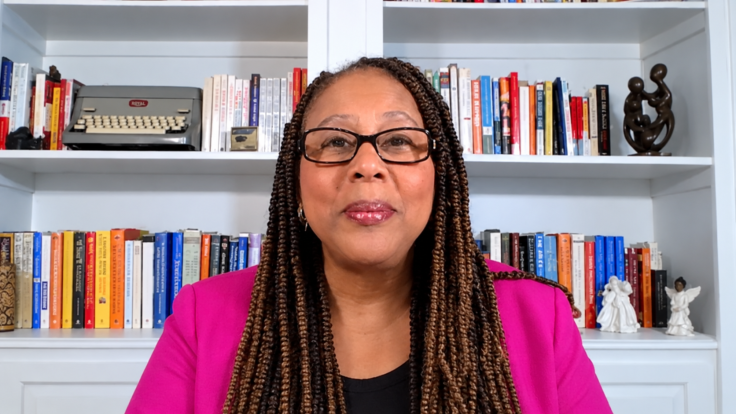
'If debt was a person, I would slap it. Like seriously, I call debt the devil,' personal finance columnist Michelle Singletary said, offering a blunt warning to Americans struggling to manage their finances. In an interview with CNBC Make It, Singletary argued that debt can limit people's options by consuming income that could otherwise go towards savings, retirement, and unexpected expenses.
Her advice comes as housing and other essential costs put pressure on household budgets. Singletary shared her views alongside the launch of Dollars & Sense, a podcast she and The Washington Post launched on 13 October to discuss everyday financial challenges and help people work towards their goals.
Why Singletary Believes Debt Limits Financial Freedom
Singletary rejects the idea that borrowing should automatically be considered good or bad based on its purpose. Instead, she urges people to recognise the financial obligations that come with every loan. Mortgages, car loans, and student loans can help people access housing, transport, and education. However, repayments can leave households with less money to handle emergencies or pursue other priorities.
Singletary wants borrowers to look beyond whether they qualify for a loan and consider whether they can comfortably manage its repayments alongside other expenses. She also encourages people to think about the wider consequences of borrowing, including whether they can continue saving for retirement, support their children's education, or help relatives facing financial difficulties.
Why She Advises Young Adults to Consider Living at Home
One of Singletary's most controversial recommendations is that young adults who can do so should consider living with their parents while paying off debt and building savings. Living at home can reduce rent and other expenses, potentially allowing graduates to direct more of their income towards debt repayments and financial reserves.
Singletary said she receives criticism from people who argue that young adults cannot become responsible if they do not pay all their own bills. She disagrees, saying parents can hold their adult children accountable while providing them with a place to live.
She also pointed to her own children's experience. They returned home and saved money after college, although they had graduated without student loan debt. For young adults who have supportive families and suitable living arrangements, she recommends staying home until they have cleared their debts and built savings. She acknowledges that this option is not available to everyone.
Rising Living Costs Are Putting the American Dream Under Pressure
Singletary said she had not expected homeownership to become so difficult for many Americans when she began writing about personal finance. She highlighted housing affordability, petrol prices, and the concentration of wealth as concerns, arguing that essential expenses are leaving many households with less room to save and plan for the future.
For many families, financial security means being able to afford a decent home, pay for their children's education, and enjoy some discretionary spending without committing to decades of repayments. Singletary said the American Dream had slipped away from many people.
She also recognised that individual budgeting and financial discipline cannot resolve every affordability problem. She called for policymakers to consider ways to improve access to homeownership, education, and training, pointing to work-study programmes and internships as potential routes to opportunity.
Know Your Numbers Before Taking on More Debt
Singletary advises people to understand their finances before making borrowing decisions. That means knowing how much they owe, how much of their income goes towards housing and other expenses, and what remains available for savings and emergencies. Reviewing these figures can help households assess whether they can manage another financial commitment without sacrificing other priorities.
Her message is not that every borrowing decision can be avoided. Rather, she wants people to approach debt cautiously instead of treating it as a routine solution to financial pressure. As living costs continue to challenge household budgets, Singletary's central warning is that debt can reduce financial flexibility just when people need it most.
© Copyright IBTimes 2026. All rights reserved.