

Ex-White House Military Office Contractor Employee Allegedly Gave Landscaper Saw Linked to Wife's DNA
Naresh Bhatt denies murdering and dismembering Mamta Kafle Bhatt, whose body has not been found, as the defence challenges the circumstantial evidence
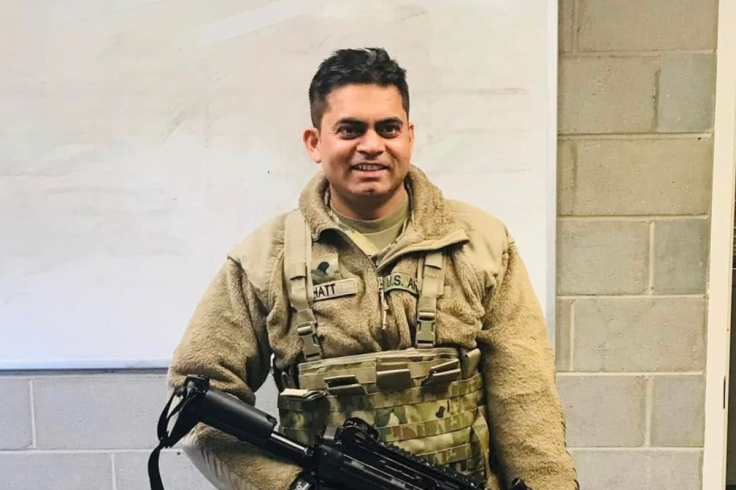
Prosecutors told a Virginia jury on Wednesday, 7 October 2026, that Naresh Bhatt allegedly gave a landscaper a saw later found to contain his missing wife's blood and DNA.
Bhatt previously worked for a federal contractor associated with the White House Military Office. He is accused of murdering and dismembering his wife, Mamta Kafle Bhatt, who disappeared from Manassas Park in July 2024. Her body has never been recovered. Bhatt has pleaded not guilty to first-degree murder, concealing a dead body and defiling a dead body.
The allegations emerged during opening statements in Bhatt's murder trial, where prosecutors outlined a case built largely on circumstantial and forensic evidence.
Deputy Commonwealth's Attorney Matthew Sweet alleged that Bhatt killed his wife before disposing of her remains across Northern Virginia.
Defence lawyer Tracey Lenox disputed the prosecution's account, arguing that significant gaps in the evidence would prevent jurors from establishing what happened to Kafle Bhatt beyond reasonable doubt.
Naresh Bhatt Murder Trial Hears Allegations About Saw Linked to Wife's DNA
Prosecutors told jurors that Bhatt allegedly handed a reciprocating saw to a landscaper working near the couple's home. According to Sweet, the landscaper subsequently turned the equipment over to police after learning about Kafle Bhatt's disappearance and the investigation.
Sweet said forensic testing identified blood and DNA on the saw that matched Kafle Bhatt. Prosecutors allege that Bhatt used the equipment to dismember his wife's body.
The reported forensic findings, however, do not independently establish how the saw was used or whether it was involved in the alleged killing.
The prosecution also claims Bhatt placed his wife's remains into heavy-duty rubbish bags before disposing of them in trash compactors across Manassas Park and Fairfax County.
Sweet told jurors that investigators had obtained surveillance footage showing Bhatt making repeated journeys to disposal sites.
Prosecutors believe those trips formed part of an effort to conceal his wife's remains. Although the prosecution alleges that Kafle Bhatt was killed and dismembered, her body has not been found.
Naresh Bhatt Murder Trial Examines Blood Evidence and Online Searches
Prosecutors also outlined evidence they intend to use to establish what happened inside the couple's Manassas Park home.
Sweet told jurors that investigators found what prosecutors described as blood pooling in a bedroom and apparent drag marks extending towards the bathroom.
He alleged that water consumption at the property was inconsistent with ordinary household use, which prosecutors interpreted as evidence that Bhatt had cleaned the scene.
The prosecution also pointed to Bhatt's reported internet search history, including searches about divorce and the consequences of a spouse disappearing or dying.
Sweet alleged that Bhatt sold his Tesla and tried to sell the family home while investigators searched for Kafle Bhatt.
Bhatt previously served in the US Army Reserve and received an honourable discharge. Prosecutors say he later worked for a federal contractor associated with the White House Military Office.
He became a naturalised US citizen in October 2017 and married Kafle Bhatt in December 2020. He later sponsored her move from Nepal to the United States.
Kafle Bhatt worked as a nurse and had recently started a position at UVA Health Prince William Medical Center. Prosecutors said her disappearance occurred approximately one week before a scheduled US citizenship interview.
Naresh Bhatt Murder Trial Defence Challenges Circumstantial Evidence
Lenox urged jurors to scrutinise the prosecution's account, particularly the absence of Kafle Bhatt's remains and the uncertainty surrounding her disappearance.
'There is a sort of black hole at the time of Mamta Kafle's disappearance,' Lenox told the jury. She argued that prosecutors would attempt to bridge gaps in their case through speculation rather than conclusive evidence.
'They're going to try to fill the gap with ideas and speculations and guesses, but not with actual facts,' she said.
Lenox acknowledged marital difficulties and discussions about divorce but maintained that the prosecution could not establish Bhatt's guilt beyond reasonable doubt.
The trial also began examining the initial police response to Kafle Bhatt's disappearance. A hospital employee testified about requesting a welfare check after the nurse failed to report for work. A Manassas Park police sergeant subsequently testified about an early visit to the couple's home.
According to the prosecution, Bhatt told officers his wife had left and might be visiting relatives elsewhere in the United States. The defence questioned the sergeant's interpretation of his behaviour during that encounter.
The trial is expected to last six to seven weeks, with the prosecution and defence identifying more than 100 potential witnesses. Further testimony is expected concerning the forensic evidence, surveillance footage and circumstances surrounding Kafle Bhatt's disappearance.
Jurors must determine whether the evidence establishes the prosecution's allegations beyond reasonable doubt. Bhatt maintains his not-guilty plea as proceedings continue, with the circumstances of his wife's disappearance remaining at the centre of the case.
© Copyright IBTimes 2026. All rights reserved.