

One of the Cornell 7 Says He Was the Real Victim, Claiming Oral Sex Happened While He Was Too Drunk To Consent
New York's intoxication loophole is why none of the seven men faced charges in 2024
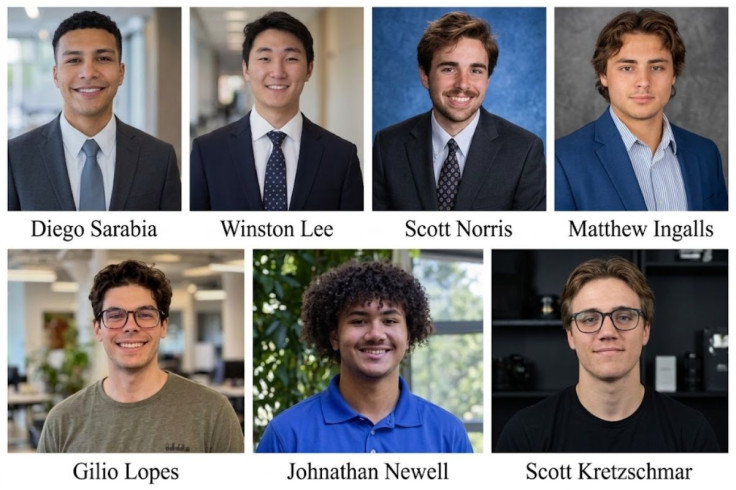
One of the Cornell 7 men accused of rape told investigators he was a victim, saying the woman performed oral sex on him while he was too drunk to consent, as Attorney General Letitia James takes over the reopened case.
The case was revived by a civil lawsuit filed on 16 September 2026 by a former student identified as Jane Doe, which accuses seven members of the Chi Phi fraternity of drugging and sexually assaulting her at the chapter house near Cornell University in Ithaca, New York, in October 2024. She alleges she was too intoxicated to consent. Her complaint also names the university, the fraternity and its organisations, and a local bar. The men deny wrongdoing, and the claims remain unproven.
An Accused Man Claims He Was a Victim Too
The reopened case has exposed a legal tangle. Records from Cornell's internal inquiry identify the man who made that claim as Matthew Ingalls. Several of the men acknowledged sexual contact but insisted it was consensual.
One man messaged Doe afterwards to apologise for 'how things went down', describing his memory as 'kinda fuzzy' and saying he and another man had been too intoxicated to stop what was happening.
The Consent Gap That Complicated Charges
Tompkins County District Attorney Matthew Van Houten initially declined to prosecute, pointing to a gap in New York law. Criminal protections for intoxicated victims apply only when someone is drugged without their knowledge, not when a person voluntarily consumes drugs or alcohol. Van Houten has said the men behaved in ways that were morally wrong but argued the original account did not meet that legal threshold.
State lawmakers now want that gap closed. Assemblyman Jeffrey Dinowitz and State Senator Nathalia Fernandez are backing legislation that would let prosecutors build a case on whether a person was too impaired to consent, regardless of how they became impaired.
What Jane Doe Told Police in 2024
Van Houten has said Doe's November 2024 statement did not allege she was drugged against her will or gang raped, and that the sexual conduct stopped each time she asked. But a fuller police interview later obtained by CBS News included Doe saying she was raped and describing herself as severely incapacitated. Van Houten has said he never saw that transcript.
In the statement obtained by CNN, Doe said she felt unable to make any decisions because of how intoxicated she was. Cornell says its police department shared the six-page sworn statement and a Snapchat screenshot with prosecutors, while Van Houten says his office did not receive the full interview transcript. He has said the case would be presented to a grand jury, but James has been appointed special prosecutor.
Political Pressure Builds on Cornell
Governor Kathy Hochul has called for an independent investigation into how Cornell handled the report and backed the decision to reopen the criminal case. Ithaca Mayor Robert Cantelmo proposed a moratorium on Cornell student event and special-event permits as public anger grew.
Cornell says it ran a months-long investigation, closed the Chi Phi chapter, and imposed sanctions including suspensions and expulsions. The university has not publicly disclosed disciplinary outcomes, citing privacy rules. For Doe, who left Cornell, the fight over what consent meant that night is only beginning.
© Copyright IBTimes 2026. All rights reserved.