

Cornell Frat Members Allegedly Attempted 'Damage Control' After Student Reported 'Gang Rape' Claim
New Cornell records suggest fraternity brothers discussed 'damage control' after a student reported alleged gang rape in November 2024
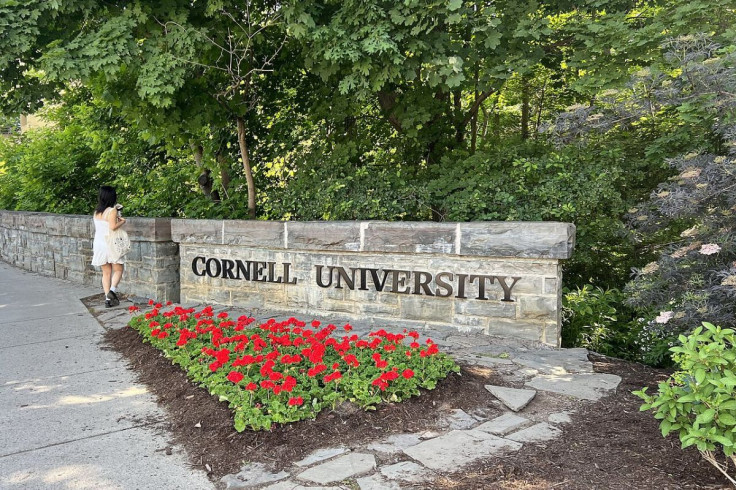
Some Cornell fraternity brothers allegedly tried to contain the fallout after a student reported a gang rape at the Chi Phi house in Ithaca, New York, in November 2024, records reviewed by ABC News suggest.
Text messages, recorded calls and university files indicate attempts to keep the woman, identified as Jane Doe, 'not upset about the situation.'
The allegations concern an incident on 19 October 2024, when Doe was a Cornell junior. She has alleged that a sexual encounter involving two men expanded to include others after she consumed alcohol and drugs.
The men named in a civil lawsuit have denied wrongdoing, and no criminal charges have been brought against Matthew Ingalls.
Cornell Gang Rape Allegations and the Calls
For context, Doe initially remained in contact with some of the men involved. Her messages focused on her reputation, physical health and confusion about what had happened. In one message to Ingalls, she wrote that the situation was 'RUINING my life temporarily' and said she felt ashamed and angry that so many people knew.
The tone changed as Doe sought answers. She recorded calls with Ingalls and two other men after reporting the incident to police. She later gave the recordings to Cornell investigators.
'The only way for me to heal is to know what happened,' Doe told Ingalls, according to the recording obtained by ABC News. She said she was trying to understand the night and asked how so many people had entered the bedroom.
Ingalls replied that the door had been unlocked and the party was crowded. He did not mention messages he had allegedly sent to a fraternity Snapchat group with nearly 60 members.
'Like you can walk in and whip it out,' one message attributed to Ingalls read. 'Boys come whip it out.'
During the call, Doe described the incident directly. 'What y'all did would be classified as gang rape,' she said.
Ingalls responded that both of them might remember events incorrectly. Doe rejected that suggestion, saying she remembered looking up and thinking there were too many people. The exchange does not settle the allegations, but it shows the stark gap between the accounts emerging after the night.
Ingalls has not responded to requests for comment. According to Cornell records, he later said he had been too intoxicated to consent and suggested that Doe had assaulted him. He was not charged.
Fraternity Messages Raised Questions
Doe reported the incident to Cornell University Police on 8 November 2024. Police recorded her initial report as an allegation that she had been raped by eight to 10 men at the Chi Phi fraternity house.
The same day, Cornell suspended the fraternity chapter. Messages reviewed by ABC News show members trying to establish what had happened and how to respond.
'F—k,' one brother wrote. 'Should I call [Jane]?'
The chapter president reportedly told Ingalls to wait while the executive board considered its response. The brothers also discussed the date of the party, comparing themed events to establish whether the incident had taken place during a Hawaii-themed gathering or another party.
One witness later told police that the matter had been discussed casually at a fraternity meeting. 'These guys were just being idiots,' he said, adding that members were open about doing 'this kind of gross thing'.
That account will likely draw scrutiny. A casual conversation and an organised effort to manage a complainant are not the same thing. The records, however, suggest investigators were examining both possibilities.
A friend of Doe's later told campus authorities that some fraternity members contacted her almost daily. Their apparent aim, she said, was to keep Doe 'on their good side' and ensure she remained happy and 'not upset about the situation'.
Cornell's internal investigation began in November 2024 and continued until May 2025. The university expelled two men and suspended others, according to the records reviewed by ABC News. Cornell has said its Title IX process included hearings before trained faculty and staff, but it has not publicly detailed every sanction.
Investigators also examined an alleged message from Ingalls to a witness. He appeared to encourage her to submit evidence that could help him and another man avoid disciplinary findings.
'If the evidence is convincing enough to let us go then it's proof she lied,' the message said, according to the records.
The witness told investigators that Ingalls sent further messages seeking to persuade her that Doe was lying. That evidence may become important as the criminal investigation is reconsidered.
Tompkins County District Attorney Matthew Van Houten previously said his office relied on a six-page police summary and did not independently investigate the allegations. He said Doe's original statement suggested the sex and drug use had been consensual.
New York Gov. Kathy Hochul appointed state Attorney General Letitia James as special prosecutor to take over the criminal investigation from the Tompkins County district attorney. James said her office would follow the facts and the law in determining how to proceed.
Cornell has also agreed to an independent review by outside counsel of its handling of the allegations. The university has defended its response and said it disciplined students following its internal investigation.
President Donald Trump criticised James after her appointment, calling her 'totally corrupt'. Hochul, meanwhile, questioned why prosecutors had not interviewed Doe or obtained the full university record.
For now, the central dispute is not only what happened inside the fraternity house. It is also whether the early investigation saw the full picture, or merely the version that survived the first report.
© Copyright IBTimes 2026. All rights reserved.