

Netflix Swings the Axe on 1,000 Jobs as YouTube and TikTok Threaten Its Grip on Viewers
With 325 million subscribers but viewing hours up just 2%, Netflix faces a costly battle to keep audiences hooked as free platforms fight for every minute of screen time
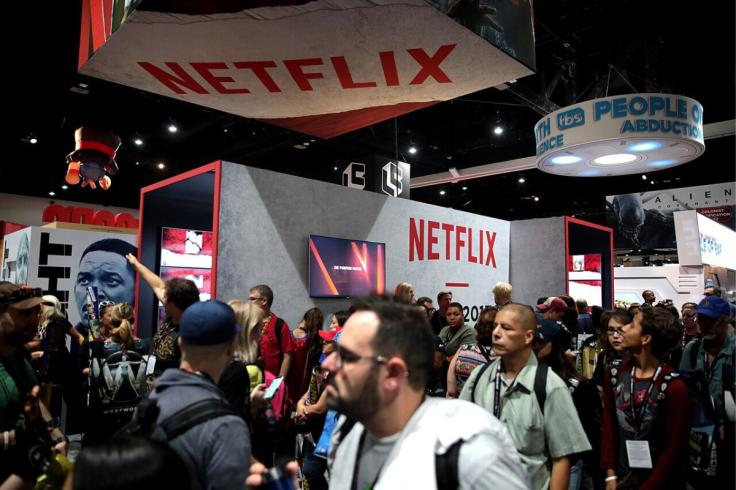
Netflix has around 325 million subscribers, but keeping audiences hooked is becoming a high‑stakes battle. YouTube is commanding a record share of television viewing, TikTok is competing for attention, and Netflix is cutting around 1,000 jobs as it faces pressure to turn its enormous audience into sustainable growth.
The streaming giant announced the cuts on 14 October, affecting roughly 6% of its workforce, in its biggest round of layoffs since 2022. Product, technology, legal and human resources teams will bear much of the impact, according to Reuters.
Netflix has not said that competition or slowing viewing alone caused the redundancies. But the cuts arrive as the company faces a crucial question: can it keep audiences engaged while spending billions to hold its position in an increasingly crowded entertainment market?
Netflix's 325 Million Subscribers Face a Viewing Challenge
Netflix is still attracting large audiences. The challenge is getting them to watch more, return regularly, and keep seeing value in their subscriptions.
In its second‑quarter 2026 shareholder letter, Netflix reported more than 97 billion viewing hours in the first half of the year, up 2% from the same period in 2025. Revenue rose 13% year on year to $12.6 billion (£9.51 billion), while operating margin reached 33%.
@netflix made $3.4 BILLION in profits last quarter.
— Sharan Hegde (@financewsharan) October 15, 2026
Yet it's laying off nearly 1,000 employees.
That's roughly 6% of its global workforce, even as revenue grew 13% and profits increased 9%.
Here's the number that caught my attention: 2%.
That's how much Netflix's viewing…
Those figures do not suggest a business in freefall. Yet modest viewing growth gives investors reason to scrutinise how effectively Netflix converts its audience and spending into lasting engagement.
Co‑CEO Ted Sarandos acknowledged the challenge at Bloomberg's Screentime event, saying: 'Overall we're not growing as fast as I want us to.' His admission puts Netflix subscriber engagement firmly in the spotlight.
YouTube Is Taking a Bigger Slice of the Screen
Netflix's rivals are no longer just subscription services such as Disney+ and Amazon Prime Video. Free video platforms are fighting for the same commodity: people's time.
According to Nielsen's July 2026 viewing data, YouTube captured a record 14.2% share of US television viewing, compared with Netflix's 7.8%.
The figures measure television viewing, not every viewing session on phones or other devices. Even so, YouTube's lead highlights the scale of the competition for audiences who can switch between professionally produced series, creator videos and short‑form entertainment in seconds.
TikTok intensifies that fight for attention, even though its viewing cannot be directly compared with Nielsen's television figures.
Netflix Must Keep Delivering the Next Big Hit
For Netflix, a huge subscriber base is only part of the equation. Established hits can draw audiences back, but every series eventually faces the challenge of sustaining interest, while new releases must compete with an almost endless supply of alternatives.
Netflix has defended its engagement performance, arguing that viewing hours alone cannot capture the quality and variety of its programming. Its shareholder letter points to successful releases across countries and genres, alongside investments in games and new content partnerships.
That broader strategy matters. If Netflix can keep delivering shows and films that become widely talked‑about cultural moments, it has a reason for subscribers to stay. If audiences increasingly divide their time elsewhere, the company must work harder to make its service feel indispensable.
Why Netflix Is Cutting Jobs Despite Strong Revenue
Co‑CEOs Sarandos and Greg Peters framed the layoffs as organisational changes designed to focus resources on areas with the greatest potential impact. In their memo to staff, they said the business remained strong and was on track to meet its full‑year forecast.
Netflix's second‑quarter results support the picture of a profitable company, even as it reshapes its workforce. The cuts should not automatically be read as proof that its streaming model is failing, nor has the company publicly tied them to one specific competitive threat.
Nevertheless, Netflix is under pressure to demonstrate that its spending, strategy and expanding range of entertainment can deliver continued growth.
Can Live Events and Advertising Help Netflix Win?
Netflix is expanding beyond scripted series and films into live programming, video podcasts, gaming and advertising. In its shareholder letter, the company said live events were expected to account for just over 5% of its 2026 content spending but around 1% of viewing hours.
That small viewing share does not tell the whole story: Netflix said live events had accounted for six of its top 10 days for new‑member sign‑ups over the previous five years. The commercial test is whether such investments can attract customers and help retain them over time.
Netflix's next quarterly results, scheduled for 20 October, will offer another measure of its performance.
For now, the streaming company remains a significant force. But with YouTube expanding its reach and audiences spoilt for choice, Netflix's next challenge is clear: turn 325 million subscribers into lasting engagement, or risk finding that even a large audience does not guarantee continued success.
© Copyright IBTimes 2026. All rights reserved.