TikToker Gets Paid $800+ for Breakups That Never Happened: Why Some 'Real' Videos Are Actually Ads
UGC creators are turning everyday posts into paid marketing gigs, often leaving viewers unaware they're watching ads
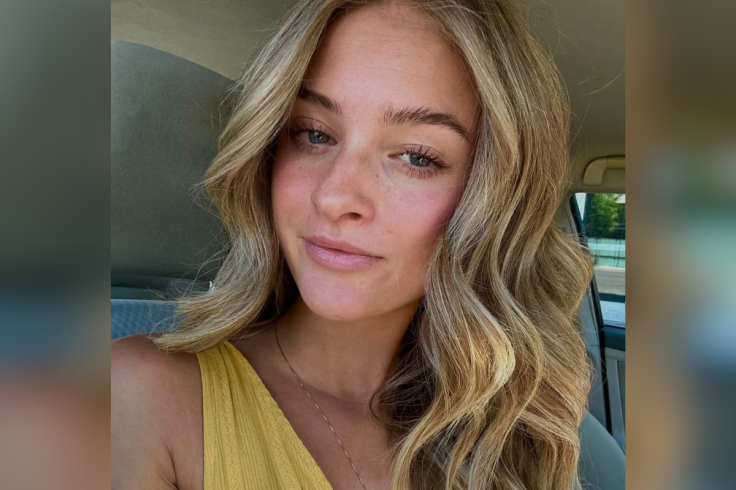
A TikTok breakup video that drew more than a million views appeared to capture a painful relationship ending. In reality, Ceci Beck was happily engaged when she filmed the clips and is now married. She was paid more than $800 to create the videos promoting Aqua Voice, an app that converts speech into text, according to The Wall Street Journal.
In one clip, Beck reacts to a lengthy breakup message. The caption reads, 'HE IS ENDING OUR RELATIONSHIP OVER THIS??' She then says, 'I don't know if I'll ever understand, but OK,' as an on-screen widget labelled 'Dictating with Aqua Voice' transcribes her response.
The videos follow a recurring pattern: Beck appears to get dumped repeatedly, each time for a different reason, while the same app features in the clips. What appeared to be spontaneous relationship drama was actually promotional content designed to look like an ordinary TikTok post.
The Side Hustle Hiding in Plain Sight
Beck is among a growing number of creators making money from UGC, or user-generated content, producing promotional videos that can resemble ordinary social media posts. She told The Journal she makes about $6,000 a month from UGC, on top of income from helping run an online creator academy. The model gives brands a way to promote products through smaller accounts rather than relying solely on influencers with large followings.
The publication also attributed the trend to social media algorithms that increasingly recommend content based on users' interests rather than a creator's follower count. 'We're trying to carve out this new type of labour force,' said Nick Lawton, CEO of UGC marketplace Sideshift. The company says it has more than one million registered creator accounts. 'Take regular everyday people, pay them $20 a video, and have them post an extreme amount,' he said.
Some Creators Are Cashing in
For creators, UGC can provide a flexible source of income without requiring a massive following. Brooks Langford told The Journal he works barista shifts alongside UGC campaigns. He said about five hours of UGC work a week can earn him $1,000 to $2,000 a month.
Caryl Pagulayan, meanwhile, earned $11,000 in July after several videos went viral, working about five to seven hours a week. She initially saw UGC as a route into marketing but began reconsidering that path as the earning potential became clearer, the publication said.
The Problem: Hidden Ads
The disclosure issue becomes more complicated when viewers do not realise they're watching sponsored content. The Federal Trade Commission (FTC) says material connections between brands and endorsers should be disclosed clearly and conspicuously when consumers wouldn't reasonably expect the relationship, and it could affect how they evaluate the endorsement. TikTok requires creators to use its commercial-content disclosure setting when posting content that promotes a brand, product, or service. Meanwhile, YouTube also requires creators to disclose paid promotions through its platform.
Still, The Journal found that some creators and campaign managers treated disclosure as optional. Kassi Meyer, an Ohio mother who began making UGC videos to help with household expenses, told the publication she once asked whether a UGC campaign needed an ad label. Her campaign manager texted back, 'Say it's not.' Meyer said the situation 'feels a little grimy.'
Enforcement Remains a Challenge
Some UGC creators said they believed the rules left room for marketing that could appear organic to viewers. Others pointed to disclosures in their social media bios or contracts describing their accounts as 'brand-owned' assets.
However, being paid to promote a brand can trigger disclosure requirements, advertising lawyers said. The practice can be difficult to police, with some brands apparently willing to accept the risk.
'The FTC takes action from time to time, but they have limited resources,' said Rob Freund, an advertising and e-commerce attorney in California. 'It does not seem like enforcing ad disclosure requirements on social media is a top priority right now,' he said.
Meanwhile, creators said viewers are calling out posts they believe contain undisclosed ads. 'I think it will get to a point, just like a lot of social media tactics, where people are catching on,' Pagulayan said.
© Copyright IBTimes 2026. All rights reserved.
- Recommended For You