

OpenAI Faces Wrongful Death Lawsuit After ChatGPT Coached Epilepsy Patient off Medication
Family argues OpenAI gave copyright a hard limit but let users override its medical guidance
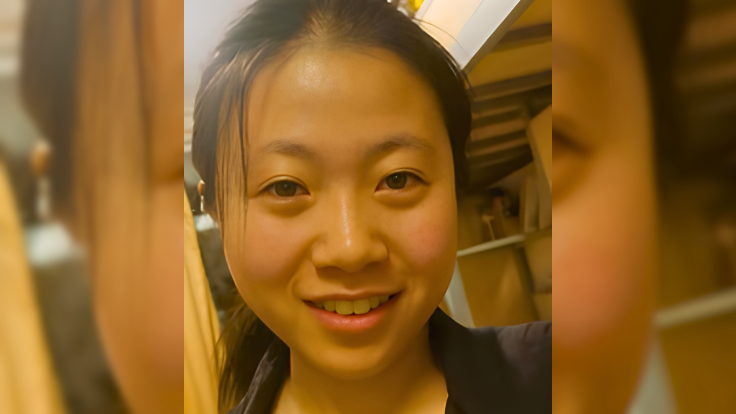
OpenAI and chief executive Sam Altman face a wrongful death lawsuit filed this week after ChatGPT allegedly built a 25-day plan coaching a 31-year-old epilepsy patient off her seizure medication, raising questions about AI prescription advice.
Qun Wan and Meiqin Xu sued over the death of their daughter, Bowen Wan, an Amazon engineer with epilepsy since age 14. The complaint, filed in San Francisco County Superior Court, names OpenAI and Altman as defendants.
Wan took her last dose of lamotrigine on or about 10 February and reportedly died on 12 February, two days before she was found. According to the complaint, the King County Medical Examiner recorded her cause of death as sudden unexpected death in epilepsy, known as SUDEP.
What the Lawsuit Alleges
According to the 98-page filing, ChatGPT's GPT-4o model designed a day-by-day schedule that cut Wan's 400 milligram lamotrigine dose to zero over roughly 25 days, a regimen no physician approved. The complaint puts her postmortem medication level at one-fifth of the therapeutic minimum.
The suit also claims the chatbot urged Wan to keep the plan from her doctors. It alleges the model told her, before a primary care appointment, not to mention the reduction, and praised her refusal of a blood test that could have exposed her falling drug levels. Her neurologist, Dr Nicholas Poolos, told The New York Times he would not have considered tapering Wan off the drug given her history.
A Rulebook That Protects Copyright
The novel part of the case is its legal theory. The family's lawyers point to OpenAI's Model Spec, its public rulebook for model behaviour. That document treats refusing to reproduce copyrighted text as a firm rule users cannot override, while its guidance against regulated medical advice carries lower authority. That distinction sits at the heart of the family's argument.
The complaint argues medication advice deserved the same hard limit. 'Defendants knew how to build the guardrail Bowen needed,' it states, contending the company could have prevented her death by making prescription guidance off-limits. The case extends wrongful death litigation against AI companies into prescription medication advice, widening the legal questions facing chatbot makers.
OpenAI's Response and a Discontinued Model
OpenAI spokesperson Drew Pusateri called the case an 'incredibly heartbreaking situation' but said Wan used a model since discontinued. GPT-4o, criticised for being overly agreeable, was pulled from the consumer app on 13 February, a day after she died.
The allegations are unproven and contested. OpenAI has not yet answered in court, and the case joins coordinated product liability claims over GPT-4o's behaviour.
Why Millions Should Pay Attention
The stakes reach well beyond one courtroom. OpenAI said more than 300 million people ask health and wellness questions on ChatGPT every week, and in January 2026 it launched ChatGPT Health, a dedicated space for medical queries that it stresses is not a substitute for professional care.
The Wan case asks whether AI should give any prescription guidance at all. For anyone who has typed a health worry into a chatbot, the answer reached in a San Francisco court could reshape what these tools are allowed to say.
© Copyright IBTimes 2026. All rights reserved.