RFK Jr.-Led Vaccine Advisory Panel Ends Hep B Vaccine Recommendation for Newborns
KEY POINTS
- The CDC's vaccine advisory panel recently voted to end the recommendation for universal newborn hepatitis B vaccination.
- The new guidance suggests most babies delay the first dose until later infancy, reserving the birth dose only for infants whose mothers test positive for the virus.
- The controversial decision has sparked a national debate, with groups like the AMA criticizing the move as scientifically baseless and a danger to infant public health.
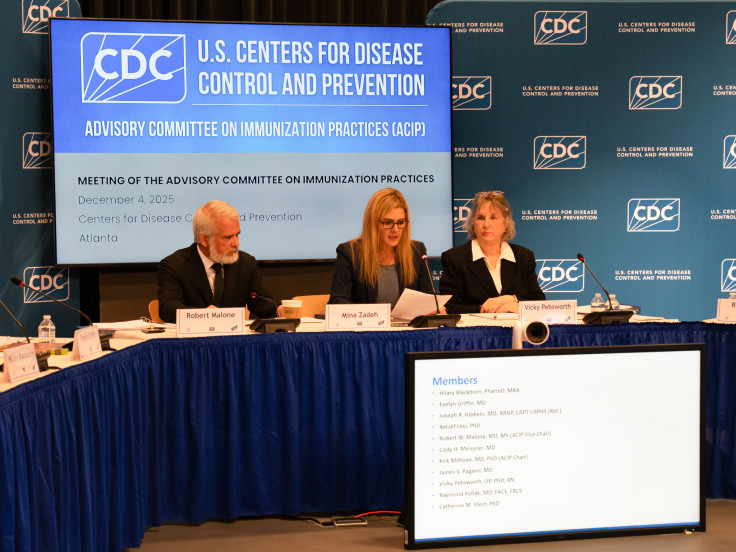
A panel of vaccine advisers to the Centers for Disease Control and Prevention (CDC) voted on Friday to end a long-standing recommendation that encouraged giving newborns a hepatitis B vaccination at birth.
The previous guidance urged parents to ensure the first dose was administered within 24 hours of birth.
The move has since ignited a national health debate, particularly as the newborn hepatitis B vaccine has long been considered successful in preventing the disease.
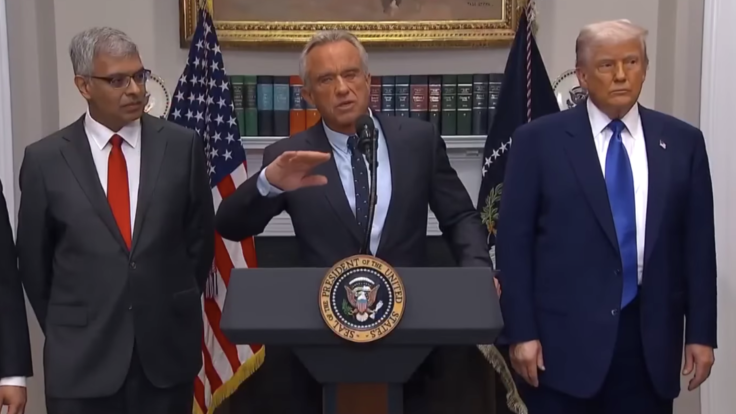
The Advisory Committee on Immunization Practices (ACIP) was recently restructured by leading anti-vaccine campaigner Robert F. Kennedy Jr., the current US Secretary of Health and Human Services.
In June, Kennedy replaced the entire 17-member panel with a new group that has been widely criticised for opposing mandatory vaccination policies.
Known History of Vaccine Distrust
Kennedy is known for repeatedly promoting debunked claims that link vaccines to autism. He founded the non-profit group Children's Health Defense, which has actively spread vaccine-skeptical narratives and challenged established public health guidance.
Critics have described his actions as a threat to public health, accusing him of stoking fear and undermining trust in scientific, evidence-based policymaking.
His overhaul of the ACIP has further drawn sharp criticism from many medical professionals and public health organisations.
New Advisory Guidance
Under the revised recommendation, only infants born to mothers who test positive for hepatitis B would receive the vaccine at birth, while the majority of babies would begin their vaccination schedule later in infancy.
Hepatitis B can be transmitted from an infected mother to her child during delivery.
The panel further advised that mothers who test negative should consult with healthcare providers to determine vaccination timing, recommending that inoculation be delayed until at least two months of age if not given at birth.
Most US states require hepatitis B vaccination for children entering daycare or school. Medical exemptions are permitted across states, while some also allow exemptions based on religious or personal beliefs.
'Reckless' and 'Dangerous' Recommendation
The revised guidance has drawn fierce criticism from public health leaders, who warn that delaying vaccination at birth increases the risk of infants contracting hepatitis B, potentially leading to severe liver diseases later in life.
The American Medical Association (AMA) condemned the decision, stressing that administering the first dose at birth is vital to preventing early transmission of the virus.
Reducing infection risk, the organisation said, helps prevent serious long-term conditions including chronic liver disease, cirrhosis, liver cancer and death.
'The Advisory Committee on Immunization Practices' vote to weaken the birth-dose recommendation for the hepatitis B vaccine is reckless and undermines decades of public confidence in a proven, lifesaving vaccine,' the AMA said in a statement on Friday.
The association added that the decision 'is not based on scientific evidence, disregards data supporting the effectiveness of the hepatitis B vaccine, and creates unnecessary confusion for parents.'
Backlash From Health Advocates
Other health advocacy organisations and medical experts also denounced the change, publicly criticising the actions of the Kennedy-appointed ACIP members and accusing them of ignoring decades of established research.
'This is a frightening day for children's health. RFK Jr.'s handpicked ACIP committee members voted today to ignore decades of science, severely limiting families' ability to protect their children from preventable diseases,' said Jill Rosenthal, director of Public Health Policy at the Center for American Progress, in a statement.
Rosenthal added that despite the absence of credible evidence showing vaccine harm, the committee's recommendations were rooted in what she described as 'preconceived and politically motivated conclusions'.
She warned that the move could further fuel public distrust in science and pose serious risks to America's public health and safety.
© Copyright IBTimes 2026. All rights reserved.
- MOST POPULAR IN World